Legal Framework for Protection

In Spain, family members can be included in a restraining order if their actions constitute harassment, stalking, or domestic violence. Spanish law provides mechanisms to protect individuals from such behaviors, including those perpetrated by family members. Legal Framework for Protection Under Organic Law 1/2004, victims of domestic violence can request a civil protection order (orden de protección) through Article 544-ter… Read More Legal Framework for Protection

Digital Boundaries: When Family Harassment Crosses the Line

In today’s world, harassment doesn’t always happen face-to-face. It often continues through screens — subtle but invasive monitoring of social media, messages, and personal updates. When family members repeatedly check, comment on, or screenshot your posts despite clear boundaries or even a restraining order, this is not “concern” or “family interest.” It is a form of… Read More Digital Boundaries: When Family Harassment Crosses the Line

Reclaiming Peace: The Neuroscience of Living Life on Your Own Terms

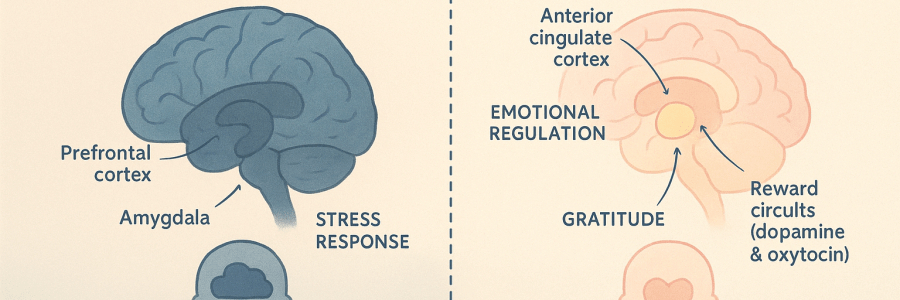
Living life in constant vigilance—watching what you say, monitoring your every move, justifying your choices, and tiptoeing around the emotional volatility of others—takes an enormous toll on your brain and body. For many who have experienced prolonged stress or relational harassment, freedom isn’t just a luxury; it’s a fundamental act of healing. The Brain Under… Read More Reclaiming Peace: The Neuroscience of Living Life on Your Own Terms

Finding Healing in Song: How Singing Stimulates the Vagus Nerve

As the festive season approaches, I’m looking forward to all my upcoming concerts between now and Christmas. Singing has always been more than just a passion—it’s a deeply healing practice that nurtures both body and mind. One of the most fascinating aspects of singing is its effect on the vagus nerve, a key player in the… Read More Finding Healing in Song: How Singing Stimulates the Vagus Nerve

Rooted in Safety: Why I’m Staying Put

After everything that’s happened, people sometimes ask why I don’t just move away — start fresh somewhere else.But the truth is, I already have everything I need to rebuild right here. I’m not running.I’m reclaiming my ground. In El Portet and Denia, I’ve built a circle that keeps me anchored and protected.I have police support ensuring my… Read More Rooted in Safety: Why I’m Staying Put

Rooted in Safety: Rebuilding Life Where You Stand

After harassment or stalking, the instinct to flee—physically or emotionally—is natural. Yet choosing to stay, to reclaim your life where you are, is one of the most powerful acts of healing you can take. Neuroscience shows that trauma rewires the brain, heightening vigilance and triggering fight-or-flight responses even in safe environments. By consciously remaining in… Read More Rooted in Safety: Rebuilding Life Where You Stand

Why They Stay Close: The Psychology of Obsessive Proximity After a Breakup

Even after the relationship ends — after the messages, the threats, even a restraining order — some people still won’t go away.They linger nearby, rent close to your home, “coincidentally” appear in places they know you go, or find indirect ways to stay connected. It feels irrational. It is.But beneath the chaos, psychology and neuroscience reveal a… Read More Why They Stay Close: The Psychology of Obsessive Proximity After a Breakup

“Why won’t he just move away?” 

That question — “Why won’t he just move away?” — is one of the hardest parts of dealing with this kind of person, because the answer isn’t logical. You’re expecting him to think like a healthy adult who wants peace. But psychologically, people who repeatedly violate boundaries don’t seek peace — they seek proximity, power, or emotional control.… Read More “Why won’t he just move away?” 

When Hate Replaces Love: The Psychology Behind an Ex Who Can’t Let Go

One year after a breakup — even after a restraining order — some people still can’t walk away.Their behavior moves beyond heartbreak into something darker: obsession, rage, and control.You can see it in their eyes — the love they once claimed has mutated into hate.But hate, in neuroscience, is just love turned toxic inside a dysregulated brain. 🧠 1.… Read More When Hate Replaces Love: The Psychology Behind an Ex Who Can’t Let Go

🧠 Neuroscience: What’s Happening in the Brain of Someone Who Breaks a Restraining Order

When someone repeatedly violates boundaries — especially legal ones — it often reflects dysregulation in the brain’s self-control and emotional regulation systems. 1. Overactivation of the Limbic System The amygdala, the brain’s emotional alarm center, becomes hyperactive.They perceive rejection or loss not as a normal life event but as a threat to identity.This can trigger a flood of stress… Read More 🧠 Neuroscience: What’s Happening in the Brain of Someone Who Breaks a Restraining Order