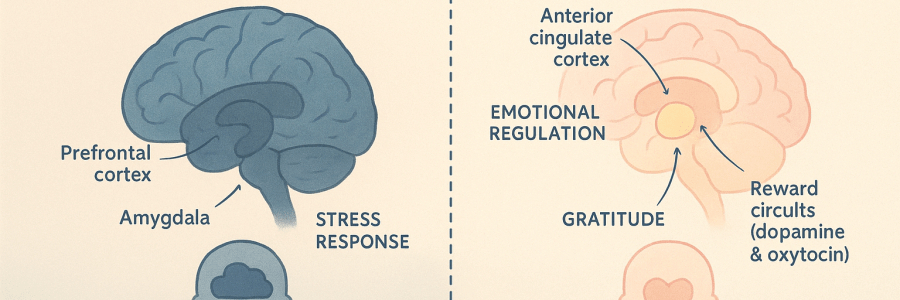
Neuroscience Behind Reduced Mirror-Neuron Activity (Expanded)
Reduced mirror-neuron activation doesn’t mean someone is “bad” — it means their brain processes emotional signals differently.Below is a fuller breakdown of how this happens and why. 1. Avoidant Attachment Styles People with avoidant attachment learned early that emotional closeness felt unsafe or overwhelming. Brain mechanisms: The amygdala becomes triggered by intimacy rather than by separation. The prefrontal cortex learns… Read More Neuroscience Behind Reduced Mirror-Neuron Activity (Expanded)

Mirror Neuron System & Empathy: Why Some People Don’t “Feel” What You Feel

What Are Mirror Neurons? Mirror neurons are brain cells that activate both when you perform an action and when you observe someone else doing it.They also activate when you see: facial expressions emotional reactions pain joy distress This system helps your brain simulate what another person is experiencing. In simple terms:Mirror neurons are the foundation of natural, automatic empathy. When Mirror… Read More Mirror Neuron System & Empathy: Why Some People Don’t “Feel” What You Feel

Neuroscience Behind People Who Leave You Hanging

1. Avoidant Attachment & Threat Perception People who disappear, delay responses, or keep you waiting often have an avoidant attachment style.To them, closeness feels threatening — their amygdala (fear center) misinterprets emotional intimacy as loss of control or loss of independence. Brain mechanism: Amygdala → activates threat response Nervous system → pushes for distance Prefrontal cortex →… Read More Neuroscience Behind People Who Leave You Hanging

Neuroscience and Psychology of Re-Learning Healthy Relationships After Abuse

1. Trauma Rewires the Brain Amygdala hyperactivation: Chronic abuse primes the brain’s threat system. The amygdala becomes hypersensitive, interpreting neutral or safe cues as dangerous. Prefrontal cortex suppression: Logical reasoning and decision-making circuits are often inhibited during trauma, making it harder to assess safety objectively. Hippocampal disruption: Trauma affects memory and context processing, leading to difficulty distinguishing past… Read More Neuroscience and Psychology of Re-Learning Healthy Relationships After Abuse

Why People Don’t Believe Victims of Hidden Abuse

1. Cognitive Dissonance Psychology: Difficulty reconciling the image of a “good, polite, competent person” with allegations of abuse. Neurology: Prefrontal cortex resists integrating conflicting information → bias toward familiar, socially safe narratives. Social: People prefer simple stories; abuse behind closed doors challenges social assumptions. 2. Stereotypes of Abusers Psychology: Society expects abusers to be visibly angry, aggressive, or “monstrous.”… Read More Why People Don’t Believe Victims of Hidden Abuse

The Hidden Nature of Perpetrators

1. The “Mask of Normalcy” Many perpetrators present themselves as charming, competent, polite, or socially respectable. This public persona is carefully curated to avoid suspicion, maintain social standing, and manipulate perceptions. High social intelligence Good communication skills Reliability in work or community roles Superficial warmth and empathy This is sometimes called “the façade of normalcy”, which conceals abusive… Read More The Hidden Nature of Perpetrators

Brain Response to Emotional Walls vs. Choosing Yourself

Facing Emotional Walls Trigger: Partner repeatedly builds walls / rejects closeness Brain Circuits Activated: Amygdala: Detects threat → triggers fear, anxiety, and stress responses HPA Axis (Hypothalamus-Pituitary-Adrenal): Releases cortisol → chronic stress, heightened vigilance Anterior Cingulate Cortex (ACC): Processes social pain → feeling of rejection, emotional hurt Insula: Heightened emotional awareness → bodily stress signals (tight chest, tension) Prefrontal Cortex… Read More Brain Response to Emotional Walls vs. Choosing Yourself

Neuroscience and Psychology Behind “Walls” and Letting Go

1. The Closed-Off Partner – Emotional Walls Psychology: People who continually “build walls” often have attachment injuries or avoidant attachment patterns. They may fear intimacy, vulnerability, or loss of autonomy. Behaviourally: They push others away even when love exists, as a form of self-protection. Neuroscience: The amygdala (threat detector) interprets closeness as potential danger. Every approach from a partner triggers a stress response,… Read More Neuroscience and Psychology Behind “Walls” and Letting Go

Resilience

For over three decades, I have lived with behaviour that is unpredictable, manipulative, and often damaging. Saying one thing and doing another, creating chaos, and leaving collateral damage in their wake became a daily reality. At first, it was exhausting and disorienting, but over time, I learned to adapt. I developed resourcefulness, patience, and resilience… Read More Resilience