Neurochemistry of Secure Couples

1. Key Brain Regions Region Role in Secure Attachment Activation Effects Amygdala Threat detection, fear response Downregulated → reduced anxiety, fear of abandonment Prefrontal Cortex Decision-making, emotional regulation Active → logical problem-solving, calm response to conflict Anterior Cingulate Cortex Social pain, empathy Regulated → enhances empathy, attunement Insula Interoception, emotional awareness Active → reads own… Read More Neurochemistry of Secure Couples
Reframing the Revelation: Transforming Truth into Growth and Freedom

When a hidden truth or secret is revealed, the natural reaction is often shock, anger, or grief. But reframing the experience can transform it from trauma into empowerment, insight, and personal growth. 1. The Gift of Awareness Psychology: Awareness is the first step in regaining control. Carl Jung said, “Until you make the unconscious conscious, it will direct… Read More Reframing the Revelation: Transforming Truth into Growth and Freedom

Traits of a Secure Partner

1. Emotional Availability  Can openly express feelings without shame or fear  Comfortable with vulnerability  Willing to discuss emotions calmly 2. Trust and Honesty  Transparent about intentions and actions  Keeps promises and commitments  Shares thoughts and concerns without manipulation 3. Consistency  Predictable in behaviour and responses  Reliable in support and presence  Maintains boundaries and respects yours… Read More Traits of a Secure Partner

How Secure People Thrive with Secure Partners

Secure attachment is one of the strongest predictors of healthy, lasting relationships. When a securely attached person pairs with another secure partner, the result is synergy, growth, and fulfillment. 1. Mutual Trust and Safety Both partners expect honesty and reciprocity. They give each other the benefit of the doubt without anxiety. Their nervous systems feel safe, allowing intimacy without… Read More How Secure People Thrive with Secure Partners

How Secure People Get Trapped with Insecure or Abusive Partners

Most people assume that secure attachment protects someone from ending up in an unhealthy relationship. And in many cases, it does. But the truth is more complex: Secure people are sometimes MORE vulnerable to getting trapped —precisely because of their strengths. A securely attached person expects honesty, repair, and emotional reciprocity.When they meet someone who is… Read More How Secure People Get Trapped with Insecure or Abusive Partners

Attachment Style Comparison Chart

Category Secure Attachment Anxious Attachment Avoidant Attachment Core Belief “I am worthy and others are dependable.” “I am not enough; people leave.” “I can only rely on myself.” View of Self Positive Negative Positive (often inflated) View of Others Positive Positive/idealised at first, then fearful Negative / mistrustful Regulation Style Balanced, calm, grounded Heightened, overwhelmed… Read More Attachment Style Comparison Chart

Secure Attachment: Benefits vs. Vulnerabilities

💚 The Benefits (These Are Very Strong) Secure attachment creates one of the most resilient emotional foundations a person can have. 1. Higher trust and healthy bonding Securely attached people: expect relationships to feel safe approach others with goodwill assume their needs will be met find it easy to get close This makes relationships smoother,… Read More Secure Attachment: Benefits vs. Vulnerabilities

SEXUAL COMPATIBILITY vs EMOTIONAL COMPATIBILITY

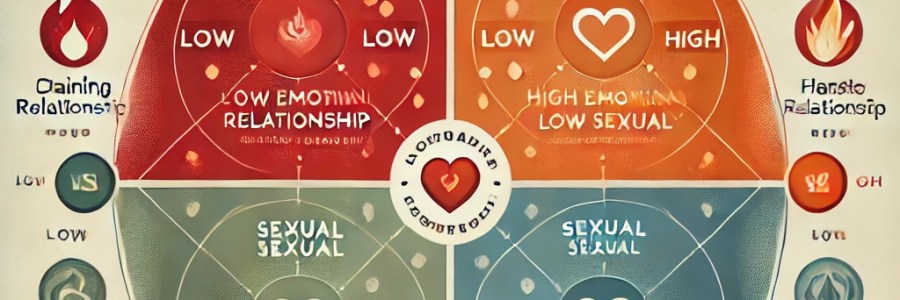
Relationship Matrix AXES Emotional Compatibility: Low → HighSexual Compatibility: Low → High 🟥 QUADRANT 1 — LOW EMOTIONAL / LOW SEXUAL “THE DRAINING RELATIONSHIP” Patterns Found Here The Roommate Relationship Silent Treatment / Cold War Couple The Combat Zone “Should-We-Even-Be-Together?” Pair Characteristics Disconnection • Low desire • Frequent conflict Emotional numbness • No repair cycles Long-Term Outlook: Not… Read More SEXUAL COMPATIBILITY vs EMOTIONAL COMPATIBILITY

Sexual Compatibility vs. Emotional Compatibility Matrix

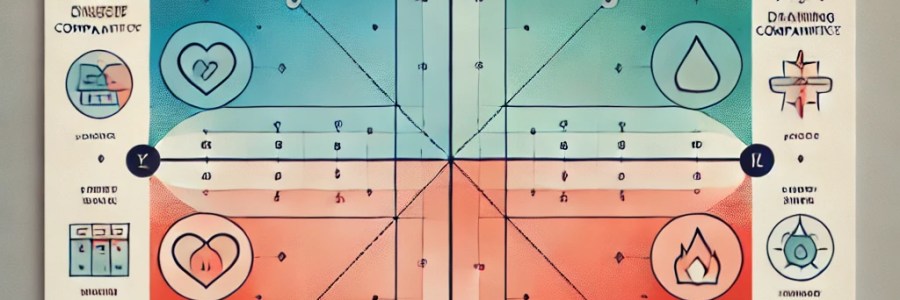
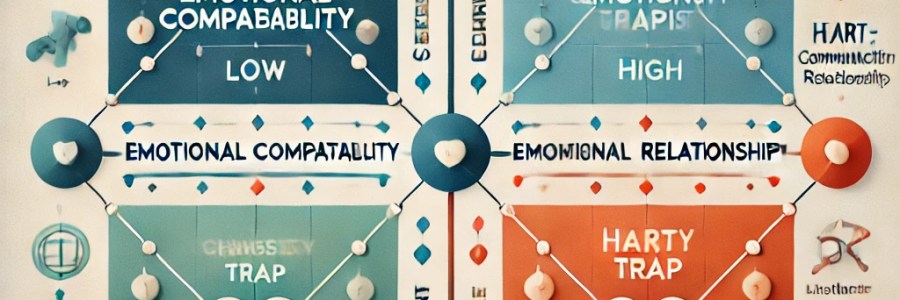
Axes Horizontal (X-axis): Emotional CompatibilityLow → High Vertical (Y-axis): Sexual CompatibilityLow → High 📊 The 4 Quadrants 🟥 Quadrant 1 — LOW Emotional / LOW Sexual Compatibility “The Draining Relationship” Characteristics Constant misunderstandings Lack of trust or safety Sex feels disconnected, mechanical, or avoided Arguments, coldness, irritation Feeling alone in the relationship Psychology Nervous system remains in defense… Read More Sexual Compatibility vs. Emotional Compatibility Matrix

Great Sex vs. Love — and Can You Live with Bad Sex?

1. Great Sex ≠ Love Category Great Sex Love / Healthy Partnership Duration Intense but temporary Stable, long-term Brain Chemistry Dopamine high, reward circuits Oxytocin, safety, long-term bonding Attachment Often insecure or inconsistent Secure, safe, predictable Communication Not required Absolutely essential Conflict Resolution Often avoided Handled with maturity Long-term Stability Unstable; high highs & lows… Read More Great Sex vs. Love — and Can You Live with Bad Sex?