Self Erasure

At some point, many people notice a quiet shift in their relationships. Conversations stop being mutual. Listening fades. What replaces it is agenda—people focused less on connection and more on what they can extract from a situation. This is how many relationships become transactional. Some people are interested only in favors, free help, emotional labor,… Read More Self Erasure


Cruelty

The antidote to cruelty is not kindness alone, but consciousness. We must awaken to the forces that shape our behavior—authority, conformity, fear, and disconnection—and refuse to let them operate unquestioned. Empathy is not a feeling we wait for; it is a discipline we practice. Responsibility is not compliance with rules; it is accountability for the… Read More Cruelty

True to Form

I’m fairly confident my ex is already planning a nice little surprise for me this Christmas and my birthday. After all, he’s had 32 years of dedicated practice. When someone commits to a role for that long, you have to respect the consistency. Some people bring flowers. Some bring cake. He brings disruption, drama, or… Read More True to Form

Communication

When someone does not respond to your questions, their silence can communicate a range of things—sometimes more clearly than words. Here’s a breakdown of what it might mean: 1. They’re unsure or thinking: Silence can indicate that the person needs time to process your question or consider their answer. Example: You ask for feedback on… Read More Communication

Nothing destroys trust faster than a lie.

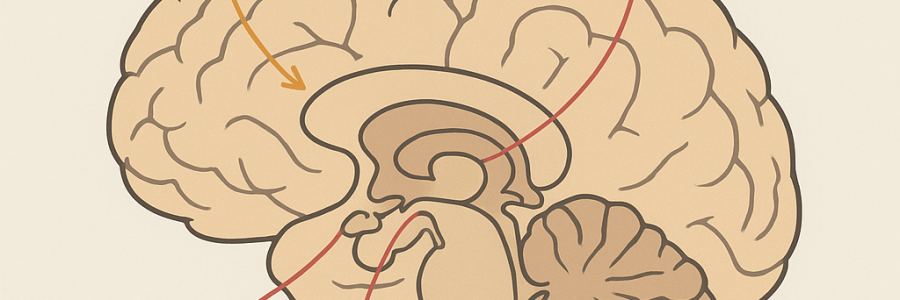
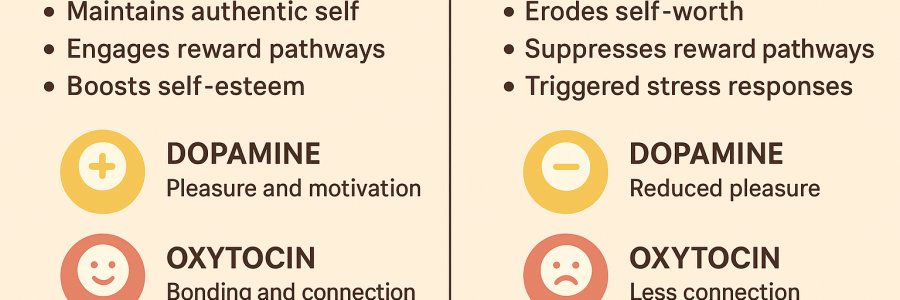
When a woman loves, she opens fully—her trust, her vulnerability, her heart. Neuroscience shows that trust activates oxytocin pathways, signaling safety and connection. A single lie flips the switch: the amygdala fires, stress hormones surge, and doubt replaces closeness. She can handle the truth—it engages reasoning, prefrontal circuits, and even forgiveness. Lies, however, hijack the… Read More Nothing destroys trust faster than a lie.

Freedom After Decades of Abuse: The Neuroscience of Choice and Self-Determination

IntroductionSurvivors of long-term abuse often experience a profound psychological weight. Decades of emotional, physical, or relational trauma can shape not only beliefs and behaviors but also neural architecture. Emerging from such a context into a space of autonomy—symbolized here by “having no ring on your finger”—can trigger complex emotional, cognitive, and neurobiological responses. Psychological Perspective… Read More Freedom After Decades of Abuse: The Neuroscience of Choice and Self-Determination

Healthy Reciprocity: Building Safety and Reward in Relationships

Reciprocity is the backbone of trust, emotional safety, and attachment. It works because your brain and nervous system are wired to seek predictable, rewarding interactions. 1. The Neurochemistry of Reciprocity When someone consistently responds to your needs — emotionally, physically, or socially — your brain releases key neurochemicals: Neurochemical Role Effect on Relationships Oxytocin Bonding hormone Promotes… Read More Healthy Reciprocity: Building Safety and Reward in Relationships

Why Chasing Non-Responsive Partners is Unhealthy: A Neuroscience Perspective

1. The Stress Response and Uncertainty Amygdala Activation: When someone ignores you, your amygdala perceives social rejection as a threat, triggering a fight-or-flight response. HPA Axis Activation: Chronic uncertainty causes repeated cortisol release, which can lead to stress, anxiety, and even physiological symptoms like tension, insomnia, and irritability. Neurochemical Effect: Dopamine spikes intermittently when they do respond (reward), creating a variable-reward cycle similar to… Read More Why Chasing Non-Responsive Partners is Unhealthy: A Neuroscience Perspective