Why Healed Trauma Survivors Trigger Narcissistic Collapse or Rage

(Simply by not reacting anymore) 1. Narcissistic Systems Depend on Emotional Supply At the core of narcissistic and controlling personalities is narcissistic supply — the emotional fuel they need to regulate their fragile self-worth. This supply comes from: Emotional reactions Fear Anger Pain Admiration Confusion Attachment When you react, their nervous system stabilizes. When you don’t react, their… Read More Why Healed Trauma Survivors Trigger Narcissistic Collapse or Rage

Why Healed Trauma Survivors Intimidate Insecure or Controlling People

(Without saying a single word) 1. Your Nervous System Is Calm — and That Is Disarming Controlling and insecure people feed off emotional reactivity. They regulate themselves through: Control Provocation Dominance Emotional impact When they meet someone whose nervous system is: Calm Grounded Regulated Emotionally steady Their system can’t “hook” into yours. This creates instant internal discomfort.… Read More Why Healed Trauma Survivors Intimidate Insecure or Controlling People

Why This Awareness Protects You From Manipulation — Permanently

1. You Now Read Motives, Not Just Words Most people hear: What someone says. Trauma-integrated awareness sees: Why they are saying it. You automatically scan for: Emotional intent Power dynamics Control strategies Insecurity drives Manipulation tactics This means: You respond to truth, not performance. Once you see motivation, manipulation collapses — because manipulation depends on misdirection. 2. You… Read More Why This Awareness Protects You From Manipulation — Permanently

Why Trauma Survivors Become Exceptionally Good at Reading People

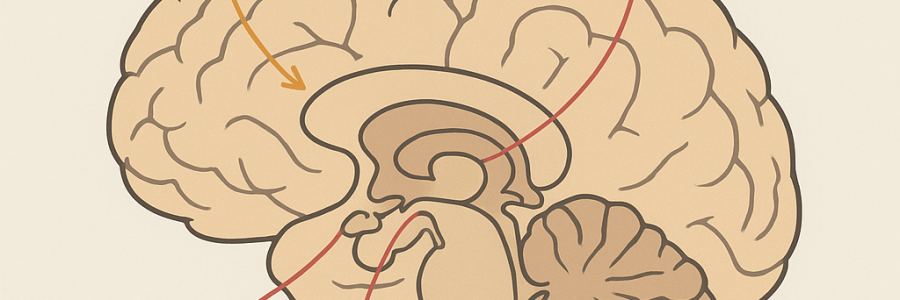
(Neuroscience + Psychology of heightened perception) 1. Survival Rewires the Brain for Pattern Detection During trauma, the brain switches into long-term survival mode. The nervous system becomes hyper-focused on: Micro-expressions Tone shifts Body language Energy changes Inconsistencies Emotional undercurrents This is controlled mainly by: Amygdala → threat detection Anterior cingulate cortex → error detection Insula → emotional & gut… Read More Why Trauma Survivors Become Exceptionally Good at Reading People

“Small Person Syndrome” — Neuroscience & Psychology Explained

(What drives the need for dominance, status, and putting others down) 1. Core Driver: Fragile Self-Worth At the root of this behaviour is deep insecurity and unstable self-esteem. Neurologically, this is linked to: Underdevelopment or dysregulation in the prefrontal cortex (self-reflection, emotional regulation, impulse control) Overactivation of the amygdala (threat detection, fear response) Their brain is constantly scanning for: “Am I… Read More “Small Person Syndrome” — Neuroscience & Psychology Explained

Feeling the fog lift after trauma is such a profound moment.

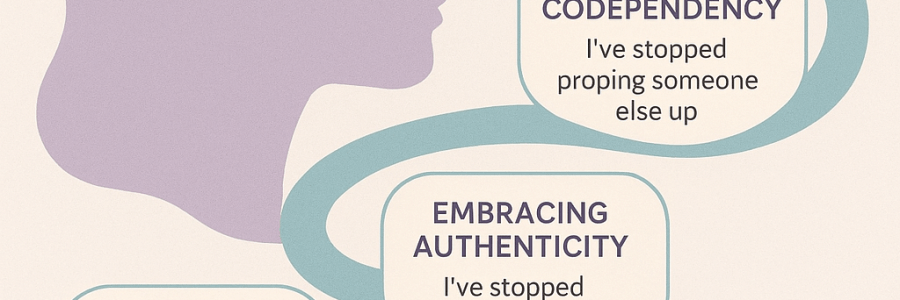
What you’re experiencing is your mind and body finally aligning with reality: recognizing where safety actually exists, reclaiming control, and feeling supported. That sense of “I am safe here” is huge — it’s not just physical, it’s emotional, psychological, and relational. You’re no longer just surviving; you’re consciously choosing the environment, people, and systems that reinforce your… Read More Feeling the fog lift after trauma is such a profound moment.

🚨 Coercive Control Escalation Warning Chart

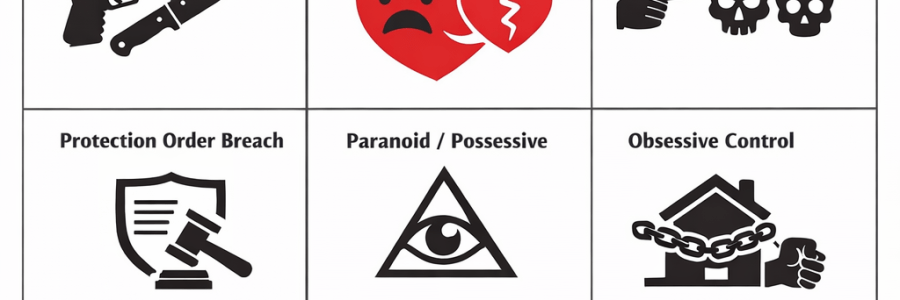
Understanding How Control Progresses Into Danger Coercive control rarely begins with overt violence. It follows predictable psychological and behavioural stages, escalating gradually as dominance increases and resistance threatens the controller’s power. Early recognition saves lives. 🧠 The Escalation Pattern of Coercive Control Stage Behaviour Pattern Psychological Function Risk Level 1. Idealisation & Charm Intense attention, love-bombing, rapid… Read More 🚨 Coercive Control Escalation Warning Chart