True Love

True love does not disappear.It may leave to grow,but it always returns when both hearts are ready.
True love does not disappear.It may leave to grow,but it always returns when both hearts are ready.

Be true to yourself.Don’t be afraid.When something feels right, trust it.Let yourself receive it.
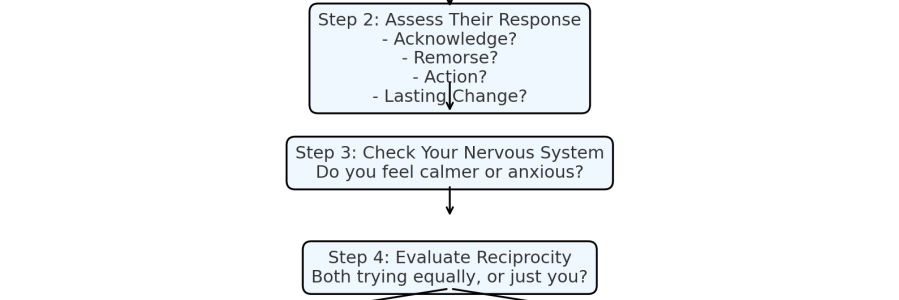
1. Early intensity & fast attachment “I’ve never felt this way before.”“You’re my soulmate.”“We’re so connected.” Feels romantic.Is actually emotional rushing + bonding pressure. Why survivors miss it:Because emotional starvation makes intensity feel like love. 2. Inconsistency Warm → cold → warm → distant → affectionate again. Creates emotional addiction. Why survivors miss it:Intermittent affection triggers dopamine… Read More The Most Common Red Flags Survivors Overlook

What does make us ignore red flags is trauma bonding, emotional hunger, fear of loss, hope, and attachment wounds — not love. Let’s gently separate these, because this can protect your life, not just your heart 🤍 ❗ If you have to ignore red flags — it is not love Love does not ask you to: Tolerate disrespect Accept fear or… Read More Real love never requires you to ignore red flags.
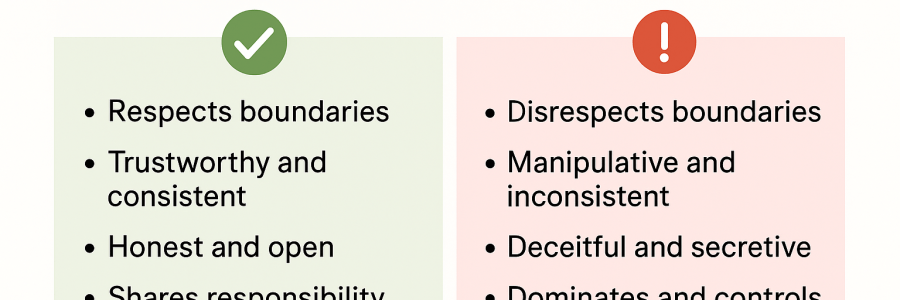
🔴 UNSAFE ATTRACTION (Feels intense, magnetic, urgent — but dysregulating) Unsafe attraction often feels strong, but it activates stress, not safety. You may notice: Butterflies that feel more like anxiety Obsessive thinking, rumination, emotional highs and lows Feeling “hooked” very quickly Strong chemistry mixed with unease Wanting their approval intensely Feeling small, uncertain, or not quite yourself Fear of… Read More Safe vs Unsafe Attraction — How to Tell the Difference

When you’re not sure how love really feels, it’s often because your experiences of “love” were mixed with fear, stress, control, neglect, or pain. That can blur the meaning of love until it feels confusing, distant, or even unsafe. Here’s something gentle and true: Real love feels safe. Not intense.Not dramatic.Not chaotic.Not like walking on eggshells.… Read More Your nervous system can relearn love.
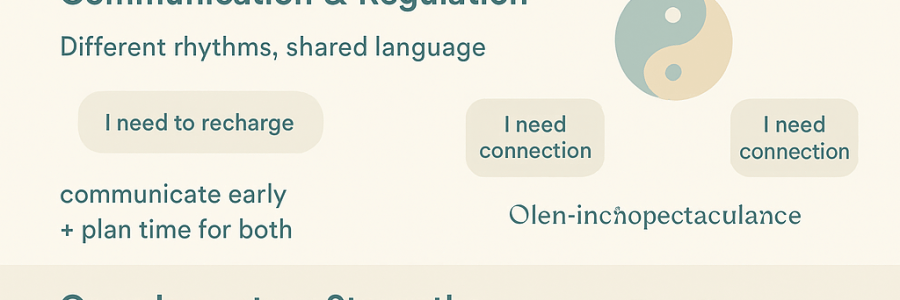
Talking alone isn’t always enough.Lasting healing happens when your nervous system finally feels safe. If you’ve tried therapy, self-work, or personal development — but still feel stuck, overwhelmed, anxious, emotionally exhausted, or disconnected — you’re not broken. Your nervous system is simply still in survival mode. And when trauma lives in the body, healing must start… Read More Trauma Lives in the Body — Healing Begins in the Nervous System

(Even when they never intended to) 1. They Develop Deep Human Insight Trauma + healing creates extraordinary emotional intelligence. You don’t just understand ideas — you understand: Human behaviour Emotional pain Survival responses Attachment wounds Fear patterns Healing pathways This creates: Natural leadership through understanding. People feel seen by you.And when people feel seen, they trust. 2. They… Read More Why Healed Trauma Survivors Become Leaders, Mentors, Guides & Change-Makers

(And why this is neurologically driven) 1. Your Nervous System Exits Survival Mode — and Enters Growth Mode During trauma, the nervous system is locked into: Survive. Endure. Cope. Stay safe. This narrows life choices dramatically. You choose: Familiar over healthy Stable over fulfilling Predictable over joyful Safe over authentic When healing occurs: The nervous… Read More Why Healed Trauma Survivors Suddenly Want to Change Their Whole Life
When the nervous system finally comes out of survival mode, life energy that has been locked away for years suddenly becomes available again. And what emerges is often extraordinary. Here’s why, through neuroscience, psychology, and trauma physiology: 1. Survival Mode Finally Switches Off During trauma, your nervous system prioritizes only one thing: survival. That means: Creativity is suppressed… Read More Why Healed Trauma Survivors Experience a Surge of Life Force, Creativity & Purpose

