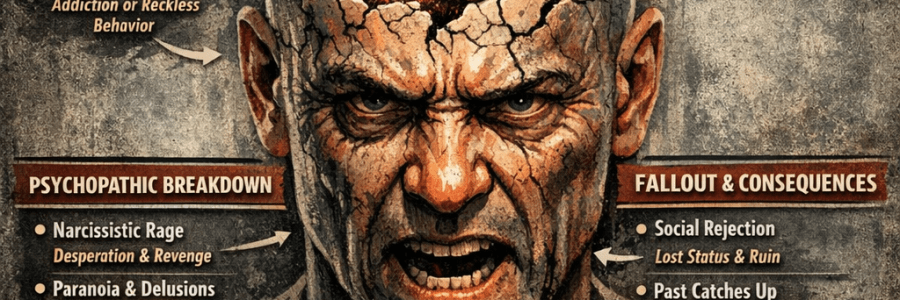
The 7 Stages of a Revenge-Driven Mind
A simple psychology framework used to understand how revenge can take over a person’s thinking. Not everyone who feels hurt becomes revenge-driven. Most people process pain, learn from it, and move forward. But when resentment is not processed in a healthy way, it can evolve into a psychological cycle that gradually consumes a person’s thinking. Below are… Read More The 7 Stages of a Revenge-Driven Mind

Neuroscience of the Revenge Loop in the Brain

The urge for revenge is not only emotional — it is also neurological. When someone feels deeply wronged, several brain systems become activated. If the person keeps replaying the event or planning retaliation, these brain areas can form a self-reinforcing revenge loop. Below is a simplified explanation of how this cycle works in the brain. 1. Emotional… Read More Neuroscience of the Revenge Loop in the Brain

The End Game

During the marriage, the abuser tries to control your happiness.During the divorce, they try to control your freedom.Afterward—when control fails—their internal system can destabilize. Let’s look at this from a neuroscience perspective, calmly and clearly. 1️⃣ During the Marriage: Control = Regulation For some abusers, control over a partner functions like emotional regulation. When they: Monitor… Read More The End Game

Time Bomb

When an abuser—the “human ticking time bomb”—runs out of people to manipulate, control, or project their anger onto, the consequences can be severe, both psychologically and socially. Here’s what typically happens from a neuroscience and psychology perspective: 1. Internal Pressure Becomes Self-Directed With no external targets, the pressure cooker of suppressed shame, rage, and insecurity turns inward.… Read More Time Bomb

Protecting Seniors: The Neuroscience Behind Legal Manipulators

Sadly, some people in positions of trust—like certain legal professionals—exploit older relatives by pressuring them to sign documents or wills in their favor. Understanding how manipulative minds work can help families recognize and prevent these situations. 1. The Manipulator’s Brain Neuroscience shows that manipulative individuals often have distinct brain patterns: Overactive Amygdala: Makes them hyper-alert to opportunities… Read More Protecting Seniors: The Neuroscience Behind Legal Manipulators

Self-sabotage meets impulsivity.

A classic example of self-destructive, vindictive behavior from a neuroscience and psychology perspective. Let’s unpack it carefully. 1. The Brain and Self-Destruction When someone ruins their own life, there’s often a combination of: Impulsivity and poor decision-making – linked to the prefrontal cortex, which regulates planning, judgment, and long-term thinking. If this area is underactive or impaired (by stress, trauma, or chronic… Read More Self-sabotage meets impulsivity.

“Guilty by Association”

“guilty by association” in the context of a spouse who knowingly allows or ignores a partner’s misconduct, specifically when the husband is extracting funds from a company while both are in positions of trust. Let’s break this down carefully from both legal and professional responsibility perspectives. 1. Legal Perspective Guilty by association is not usually a formal legal… Read More “Guilty by Association”

Warning Signs of Life-Long Vindictive Behavior

Category Signs / Behaviors What It Means / Risk Personal History Chronic grudges, past relationships ended bitterly, frequent disputes with colleagues/friends Indicates unresolved resentment that may drive future retaliation Revenge Motivation Obsession with slights, perceived injustices, rejection Revenge is a core motivator, not occasional anger Social Strategy Aligns with like-minded allies or family to reinforce… Read More Warning Signs of Life-Long Vindictive Behavior