Hidden Agendas

Sometimes people do propose marriage primarily because they are seeking financial stability, security, housing, immigration status, lifestyle support, or rescue from personal difficulties rather than genuine emotional partnership. That does not automatically mean: they are evil, running a criminal scheme, or secretly plotting something dramatic. Often it is more human—and more uncomfortable—than that. People may… Read More Hidden Agendas


“Secreto de sumario”

“Secreto de sumario” is a legal concept in the criminal justice system of Spain. It refers to a situation where part or all of a criminal investigation file is placed under judicial secrecy/confidentialityduring the investigative stage (“fase de instrucción”). In practical terms, it means: investigators continue working, but certain information is temporarily withheld, even from some… Read More “Secreto de sumario”

When Marriage is just a Cover

People who lead “double lives” in marriage—appearing stable and ordinary on the outside while hiding a very different reality—do exist, but they’re not a single psychological type. It’s usually a mix of deception, compartmentalisation, and unmet personal needs, sometimes combined with more concerning personality patterns. How double lives are usually maintained Most people who sustain this… Read More When Marriage is just a Cover

Digital Crimes

A case that starts as one thing—say, a domestic abuse report—can sometimes uncover something much broader or entirely different. That’s because investigations often work like this: someone reports one harm (for example, domestic abuse) police start gathering evidence around that issue during interviews, device analysis, or witness statements, other patterns emerge coercive control fraud stalking child safeguarding… Read More Digital Crimes

Don’t chase the truth—protect it.

When unexpected people start coming forward with new evidence—documents, messages, photos, devices, witness accounts—the safest and most responsible response is: 1. Hand it directly to authorities Give it to: Guardia Civil local police a solicitor/lawyer who can transfer it properly relevant safeguarding or investigative authorities That protects chain of custody. 2. Do not investigate it yourself The instinct… Read More Don’t chase the truth—protect it.

Psychological debt

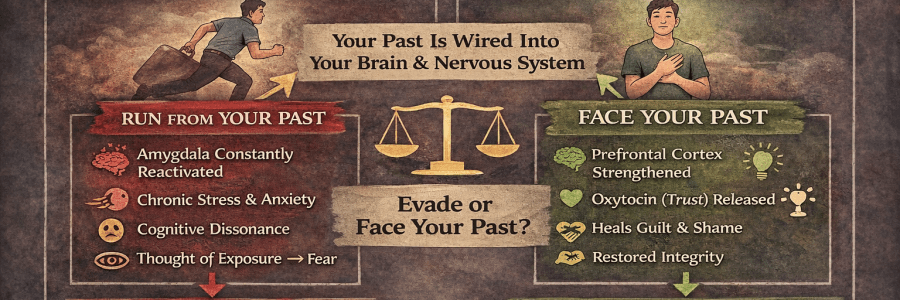
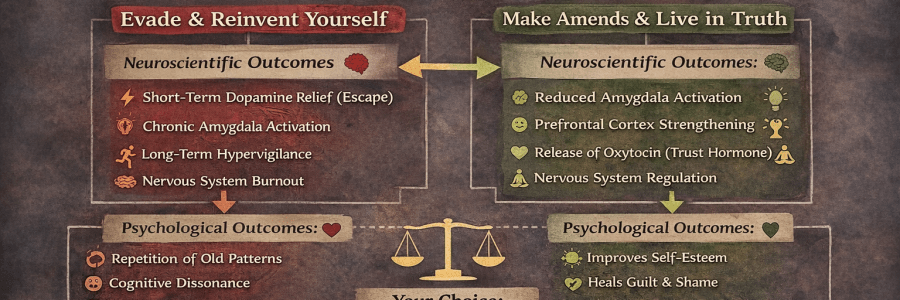
Hiding parts of your past from friends, partners, and family can “work” for a while—but it usually creates a kind of psychological debt. Eventually, if the truth comes out unintentionally, that debt often arrives all at once. What often happens psychologically: Before exposure: the burden of concealment People hide their past for many reasons: shame fear… Read More Psychological debt

Cross Over Cases

When a forensic investigation uncovers something unexpected that appears related to a different crime or different case, that’s often called “evidence of other offenses” or, informally, a spillover discovery (sometimes discussed under the legal idea of plain view in some jurisdictions). What usually happens: 1. The examiner documents it If, while lawfully searching for one thing, investigators find evidence of another possible… Read More Cross Over Cases

Privacy and the law during forensic investigations

Privacy and the law during forensic investigations try to balance two competing things: public safety and individual rights. Key legal/privacy principles usually include: 1. Lawful authority (warrants / court orders) Police generally need legal authority to search devices like phones or computers: a search warrant a court order or, in some cases, consent The warrant should define: what can be… Read More Privacy and the law during forensic investigations

Forensic Investigations

When police seize hard drives, phones, and other digital devices in a criminal investigation, they typically follow a digital forensics process designed to preserve evidence and make it admissible in court. Typical steps include: 1. Seizure and chain of custody The first priority is preserving evidence: devices are bagged/labeled every person handling them is logged this “chain… Read More Forensic Investigations