The Dark Triad: Charm, Manipulation, and Exploitative Relationship Behaviour

Psychology researchers sometimes use the term “Dark Triad” to describe three personality trait clusters associated with manipulative or exploitative interpersonal behaviour: narcissism Machiavellianism and psychopathy These traits exist on spectrums and are studied within personality psychology — not everyone displaying confidence, ambition, emotional detachment, or charisma would fall into these categories. However, research has consistently… Read More The Dark Triad: Charm, Manipulation, and Exploitative Relationship Behaviour

Situational Predators and Opportunists: When Vulnerability Attracts Exploitation

People who deliberately exploit vulnerability in others do exist, and psychology research does recognise patterns sometimes associated with grooming, coercive control, manipulation, fraud, or exploitative relationship behaviour. A more balanced and accurate way to describe it would be: Periods of major life change can leave people emotionally vulnerable. Divorce.Bereavement.Financial instability.Loneliness.Illness.Relocation.Emotional exhaustion after long-term stress or… Read More Situational Predators and Opportunists: When Vulnerability Attracts Exploitation

Reinventing Yourself

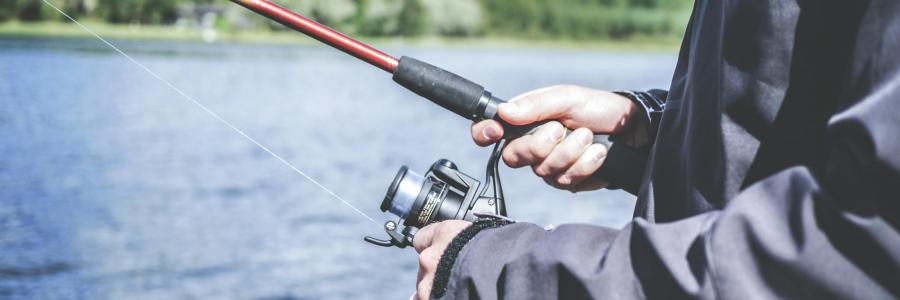
The Garage Full of Fishing Rods Nearly two years. Nearly two years of waiting for someone to collect the life they left behind. The cupboards.The drawers.The forgotten paperwork.The random cables nobody understands.The clothes still hanging exactly where they were abandoned.And, of course, the garage. Ah yes… the garage. A shrine to fishing. Enough rods, reels,… Read More Reinventing Yourself

Facebook stalking

Social media stalking can happen in families where there is conflict, avoidance, shame, or unresolved loyalty dynamics. From a psychology and neuroscience perspective, people sometimes choose “observing from a distance” rather than direct communication because it feels emotionally safer and gives them a sense of control without accountability. A few mechanisms often sit underneath this… Read More Facebook stalking

Mental illness itself does not automatically make someone violent or abusive.

Some people can become emotionally or behaviourally unstable when they stop taking prescribed psychiatric medication abruptly — especially if the medication was helping manage serious symptoms related to conditions such as Bipolar Disorder, Schizophrenia, severe depression, psychosis, or certain personality and mood disorders. But it’s important to say this carefully and accurately: mental illness itself… Read More Mental illness itself does not automatically make someone violent or abusive.

Mental Health, Medication, and Relationships — Why Stability and Honesty Matter

Entering a new relationship always involves trust, openness, and learning about another person’s emotional wellbeing. And one important lesson many people learn over time is this: the issue is often not the diagnosis itself — it is whether someone is taking responsibility for managing their health safely and consistently. Many people live full, loving, stable… Read More Mental Health, Medication, and Relationships — Why Stability and Honesty Matter

“Don’t Discuss Our Relationship with Anyone” — A Serious Red Flag

One of the most dangerous things that can happen inside an unhealthy or abusive relationship is silence. Not peace.Not privacy. Silence. The kind of silence created when one person slowly conditions the other to: stop talking stop confiding in friends stop sharing concerns stop questioning behaviour and stop trusting their own instincts If you are… Read More “Don’t Discuss Our Relationship with Anyone” — A Serious Red Flag

Protection Doesn’t End After Divorce — It Continues for Your Safety

One of the biggest misconceptions people have about abusive or coercive relationships is that once the relationship ends, the danger automatically disappears. Unfortunately, psychology, neuroscience, and real-life experience often tell a very different story. For many people, separation and divorce are not the end of emotional pressure, intimidation, control, or fear. In fact, research consistently… Read More Protection Doesn’t End After Divorce — It Continues for Your Safety