NSDR: Non-Sleep Deep Rest

Neuroplasticity is the brain’s capacity to change its structure and function in response to experience, learning, environment, and recovery. It is one of the most important discoveries in modern neuroscience because it shows that the brain is not fixed — it is continuously adapting. This includes: forming new neural pathways strengthening frequently used connections weakening… Read More NSDR: Non-Sleep Deep Rest

The Normal Cortisol Rhythm

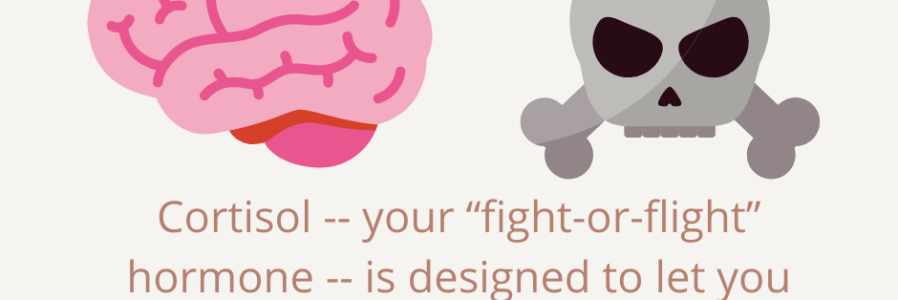
Cortisol rhythms refer to the natural daily cycle of cortisol release in the body, which follows the body’s circadian rhythm. Cortisol is often called the “stress hormone,” but it is also essential for: energy regulation alertness immune function metabolism and helping the body respond to demands The Normal Cortisol Rhythm In a healthy pattern, cortisol follows… Read More The Normal Cortisol Rhythm

Oxytocin is a hormone and neurotransmitter heavily involved in:

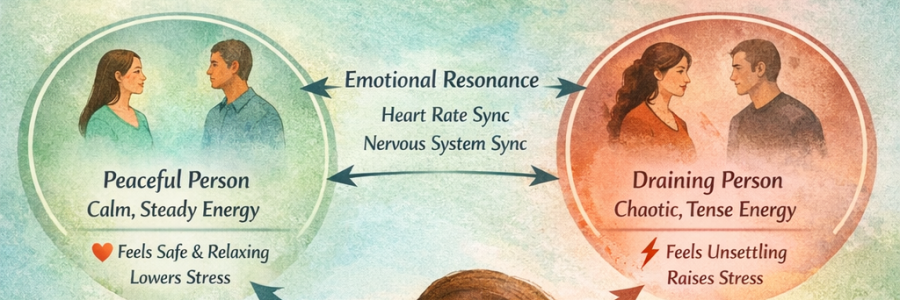
bonding attachment trust intimacy caregiving emotional closeness and social connection It is often called the “bonding hormone” or “love hormone,” although neuroscience shows its role is more complex than that simple label suggests. When Are Oxytocin Levels Released? Oxytocin release increases during: hugging affectionate touch kissing sexual intimacy orgasm eye contact emotional closeness breastfeeding caregiving and feelings of trust… Read More Oxytocin is a hormone and neurotransmitter heavily involved in:

Nucleus Accumbens is one of the brain’s key reward and motivation centres and plays a major role in:

attraction romantic attachment pleasure desire emotional reinforcement anticipation and addictive behaviours It is part of the brain’s mesolimbic dopamine system, often called the reward pathway. What Does the Nucleus Accumbens Do? The nucleus accumbens helps the brain answer questions like: “What feels rewarding?” “What do I want more of?” “What should I pursue or repeat?” When… Read More Nucleus Accumbens is one of the brain’s key reward and motivation centres and plays a major role in:

Reverberating neural activity.

Reverberatory Activity refers to ongoing, repeating patterns of neural firing within brain circuits after a stimulus or experience occurs. In simple terms: the brain keeps certain neural activity “looping” for a period of time. This concept was important in early neuroscience theories of: memory formation attention emotional processing learning and persistent thoughts or mental states… Read More Reverberating neural activity.

Episodic memory.

Episodic Memory is a type of long-term memory involving personal experiences and specific events from your life — essentially your brain’s “autobiographical memory system.” It allows you to mentally revisit: conversations birthdays relationships holidays traumatic events smells, music, or places connected to memories and emotionally important moments For example: remembering your wedding day recalling a… Read More Episodic memory.

Love, Attachment, and the Neurobiology of Human Connection

Why can love feel euphoric, addictive, calming, terrifying, healing, and emotionally overwhelming all at the same time? Modern neuroscience suggests that romantic attachment is not “just emotion.” It involves complex interactions between brain reward systems, attachment pathways, stress regulation networks, memory systems, hormones, and social bonding mechanisms. Over the last two decades, research reviews and… Read More Love, Attachment, and the Neurobiology of Human Connection

Grooming, Sexual Manipulation, and Why It Can Be Difficult to Detect

In recent years, psychology and safeguarding research have increasingly focused on grooming behaviours, coercive manipulation, and the psychological processes involved in abusive dynamics — both online and offline. One of the most important findings across the research is this: grooming is often subtle, gradual, and psychologically strategic. It rarely begins with obvious abuse. Instead, it… Read More Grooming, Sexual Manipulation, and Why It Can Be Difficult to Detect

Love Bombing, Idealisation, and the Emotional High–Crash Cycle

“Love bombing” is a term now widely used to describe a pattern of overwhelming affection, attention, admiration, and emotional intensity early in a relationship. While the phrase itself is often used casually online, psychology and relationship research do recognise patterns of manipulative idealisation and devaluation that can occur in unhealthy or coercive dynamics. In the… Read More Love Bombing, Idealisation, and the Emotional High–Crash Cycle