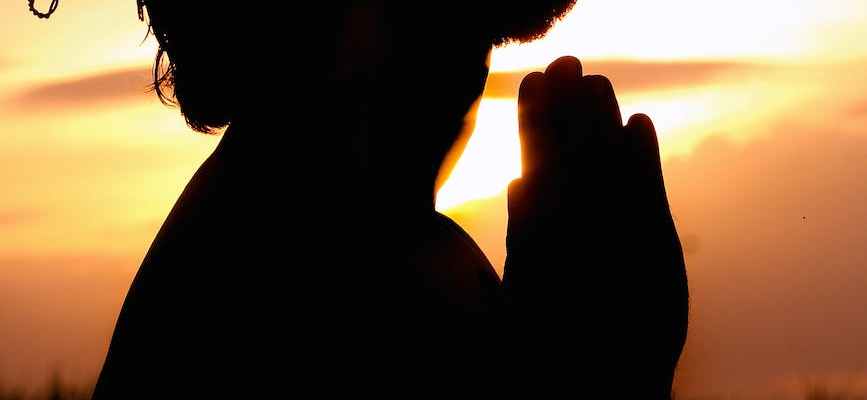
We have all met people who speak passionately about faith, quote scripture, and present themselves as deeply religious. They pray in public, preach to others, and insist on their moral values. Yet behind closed doors, their actions tell a very different story.
This is not an attack on Christianity or any religion. In fact, every major faith teaches humility, honesty, compassion, and accountability. The issue is not religion—it is hypocrisy.
A genuine spiritual life is rarely measured by how loudly someone prays or how often they tell others they are a believer. It is reflected in everyday choices: how they treat vulnerable people, whether they keep their promises, how they respond when no one is watching, and whether they accept responsibility for their actions.
Owning a Bible does not make someone a Christian any more than standing in a garage makes someone a car. Likewise, attending church every Sunday does not automatically create integrity. Faith is demonstrated through consistent behaviour, not carefully crafted appearances.
History is filled with individuals who used religion to gain trust, authority, sympathy, or admiration. Predators, scammers, narcissists, and manipulators often understand that presenting themselves as respectable or devout lowers people’s natural defences. They know that many people hesitate to question someone who appears religious.
This is why critical thinking is so important. Rather than listening only to what people say, pay attention to patterns:
- Do their actions match their words?
- Do they show kindness when there is nothing to gain?
- Do they accept accountability when they make mistakes?
- Do they treat everyone with respect, or only those who are useful to them?
- Do they practice forgiveness while demanding perfection from others?
Authentic faith is usually quiet. It does not need constant advertising. It is seen in patience, generosity, honesty, humility, and compassion.
As the old saying goes, “Actions speak louder than words.” Many believers would also recognise another timeless principle: “By their fruits you will know them.”
The strongest testimony of character is not found in public prayers or religious labels but in a life lived with integrity.
Perhaps the real question is not whether someone carries a Bible or attends church. The real question is whether the values they claim to believe are visible in the way they treat other people.
In a world where appearances can be carefully managed, consistency remains one of the clearest signs of authenticity. Faith without integrity is simply performance.

