Key Research Findings on Life Expectancy Reduction

The exact number of years that long-term abuse can shorten a person’s life span varies depending on factors like the type of abuse, its duration, and an individual’s overall health and resilience. However, research suggests that survivors of chronic abuse—especially those who experience childhood trauma or long-term intimate partner violence—can have a life expectancy reduced by… Read More Key Research Findings on Life Expectancy Reduction
Shortened Life Span

Long-term abuse, whether it is emotional, physical, sexual, or psychological, can have significant and often lasting effects on both the body and life span. These effects can vary depending on the type of abuse, the duration, and the individual’s coping mechanisms, but research has shown that chronic exposure to abuse contributes to several physical, emotional,… Read More Shortened Life Span

How Restraining Orders Work in Spain

How Restraining Orders Work in Spain In Spain, restraining orders (órdenes de alejamiento) are legal measures designed to protect victims of domestic violence, harassment, or threats. They prevent an offender from approaching, communicating with, or being near the victim. These orders are common in cases of gender-based violence (violencia de género) but can also apply to other… Read More How Restraining Orders Work in Spain

Serial abusers

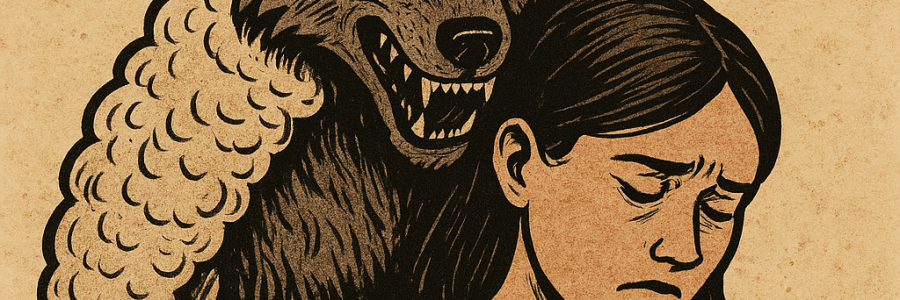
Serial abusers often fit a distinct and recognizable pattern of behavior, even though the specifics can vary depending on the individual. However, certain traits and tendencies can help identify these individuals, who repeatedly engage in abusive behavior across different relationships. Here’s a general picture of a serial abuser: Charm and Manipulation: In the early stages,… Read More Serial abusers

Do Your Homework

It’s crucial to take past patterns of behavior seriously, especially when it comes to individuals who have a history of violent marriages, restraining orders, or domestic violence charges. These aren’t just formalities—they’re clear indicators that the person has a history of harmful behavior that can escalate. Too often, people might feel sympathy or hope that… Read More Do Your Homework

No response

When someone who has known another person for decades chooses to completely ignore them while they are desperate and crying out for help, the situation becomes even more complex. Long-term relationships are typically built on shared history, trust, and emotional connection, so when one person chooses to disregard another’s plea for help, it can be… Read More No response

Cold and Callus vs Kind and Caring

The differences between individuals who exhibit traits like coldness, callousness, and a lack of care versus those who are compassionate, loving, and kind can be shaped by a variety of factors—biological, environmental, and personal experiences. Here are a few key influences: 1. Early Childhood Experiences and Attachment Styles A lot of emotional patterns stem from early… Read More Cold and Callus vs Kind and Caring

Trauma has a profound and complex impact on the brain

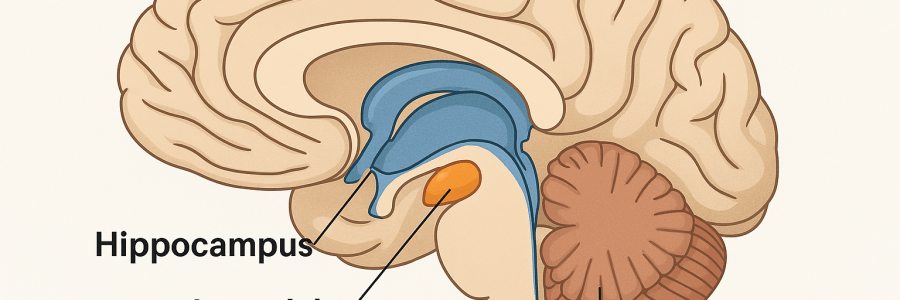
Trauma has a profound and complex impact on the brain, affecting various regions and systems. Here’s a breakdown of how trauma affects the brain scientifically: 1. The Amygdala (Fear Center) The amygdala plays a crucial role in processing emotions, particularly fear. When someone experiences trauma, the amygdala becomes hyperactive, heightening sensitivity to potential threats. This can… Read More Trauma has a profound and complex impact on the brain

The Brain

Hippocampus The hippocampus is a curved, seahorse-shaped structure located in the medial temporal lobe of the brain, within the limbic system. It plays a critical role in memory formation, learning, and spatial navigation. The hippocampus is essential for converting short-term memories into long-term ones, allowing us to retain past experiences. It also helps us recognize environments and navigate through space. Damage… Read More The Brain

Intelligence

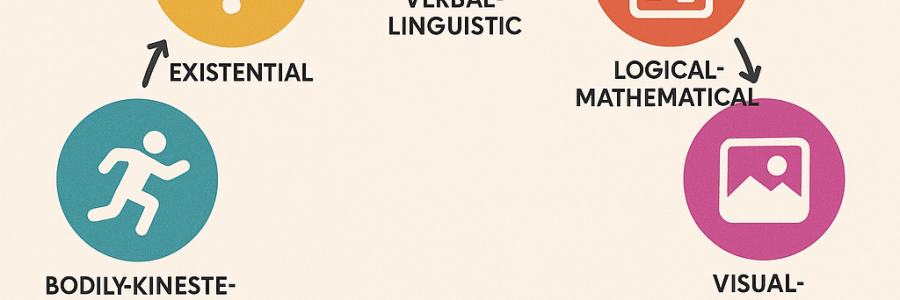
Howard Gardner introduced the Theory of Multiple Intelligences in his 1983 book Frames of Mind: The Theory of Multiple Intelligences. He proposed that intelligence is not a single entity but a collection of different cognitive abilities. Below are the nine types of intelligence he identified: Existential Intelligence – Sometimes called moral or spiritual intelligence, this type is… Read More Intelligence