Life After Abuse: Same Routines, Different Freedom

When people leave an abusive relationship, outsiders sometimes imagine that their life becomes instantly unrecognizable—new hobbies, new social circles, a completely new identity. But the truth is often quieter and more profound. For many survivors, the external routines remain the same: the same home, the same hobbies, the same daily responsibilities. What changes isn’t always… Read More Life After Abuse: Same Routines, Different Freedom

🌿 Introducing Therapeutic Emotional Healing Retreats in Costa Blanca, Spain

✨ Step away from the noise of everyday life and come home to yourself. Set against the turquoise waters and golden beaches of Moraira, our Therapeutic Emotional Healing Retreats are designed for deep personal restoration. Whether you choose 3 days of reset or 5 days of immersion, you will experience one-to-one therapy, grounding practices, and nourishing Mediterranean meals in a safe… Read More 🌿 Introducing Therapeutic Emotional Healing Retreats in Costa Blanca, Spain

1. Breathwork and the Autonomic Nervous System

Many tantric practices emphasize controlled breathing (pranayama). This isn’t just spiritual—it has a direct physiological effect: Slow, deep, rhythmic breathing stimulates the vagus nerve, which helps activate the parasympathetic nervous system (the “rest and digest” branch). This can lower stress hormones like cortisol, reduce heart rate, and create a deep sense of calm. Alternating nostril breathing, common in some tantric techniques,… Read More 1. Breathwork and the Autonomic Nervous System

Tantra

Tantra is a complex and multifaceted spiritual tradition that originates from India and has roots in both Hinduism and Buddhism. At its core, tantra is about transformation—using specific practices, rituals, and philosophical frameworks to expand consciousness, deepen self-awareness, and experience unity with the divine or the universe. Here’s a deeper breakdown: 1. Philosophical Aspect Tantra sees… Read More Tantra

Can Untreated Attachment Issues Lead to Abuse?

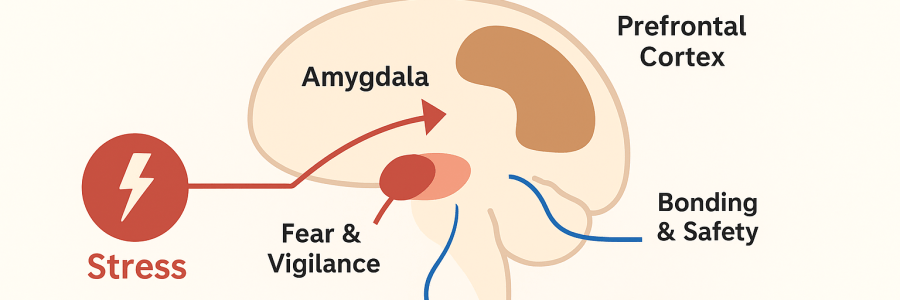
A Neuroscience Perspective Attachment is the first language of the human brain. From the moment we are born, the way our caregivers respond to our cries, needs, and emotions literally wires our nervous system. When that attachment is secure, a child learns safety, regulation, and trust. But when early attachment is inconsistent, neglectful, or traumatic—and… Read More Can Untreated Attachment Issues Lead to Abuse?

🧠 Neuroscience of Adults Using Pornography to Self-Soothe

The neuroscience behind pornography use as self-soothing overlaps strongly with the brain’s stress, reward, and attachment systems. Here’s the breakdown: 🧠 Neuroscience of Adults Using Pornography to Self-Soothe 1. Stress & Emotional Pain Pathways When someone feels lonely, stressed, ashamed, or dysregulated, the amygdala (fear/threat center) and HPA axis (cortisol stress system) become overactive. If early attachment wounds exist (neglect, rejection, abandonment), these… Read More 🧠 Neuroscience of Adults Using Pornography to Self-Soothe

Neurobiological self-soothing strategy,

💙 — when toddlers rock back and forth or bang their heads rhythmically in bed, neuroscience views this behavior as self-stimulation and self-regulation. It can be completely normal at certain stages of development, but it can also signal unmet emotional or sensory needs depending on the context. Let’s break it down: 🧠 Neuroscience of Rhythmic Rocking… Read More Neurobiological self-soothing strategy,

🔬 How Attachment Issues Lead to Shame & Anger in Adults

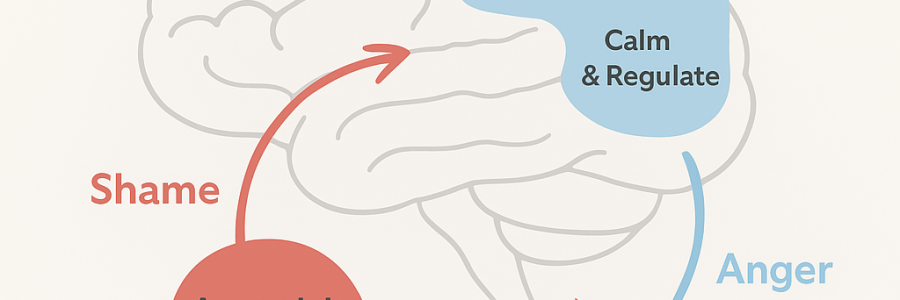
💙 — deep shame and unresolved anger in adulthood often trace back to early attachment issues. Neuroscience shows that the first years of life are when the brain’s relational blueprint is formed, and if a child’s caregivers are inconsistent, neglectful, frightening, or rejecting, those early experiences can wire the brain for mistrust, self-blame, and dysregulated emotions. Let… Read More 🔬 How Attachment Issues Lead to Shame & Anger in Adults

1. Attachment is Biological, Not Just Emotional

💙 — when a baby is separated from their birth mother (whether due to maternal health issues, hospitalization, or adoption), it can have profound effects on early attachment, because the brain is wired to expect continuous, responsive caregiving in those first weeks and months. Let me explain from a neuroscience and psychological perspective: 🧠 What… Read More 1. Attachment is Biological, Not Just Emotional

🔬 Early Attachment from a Neuroscience Perspective

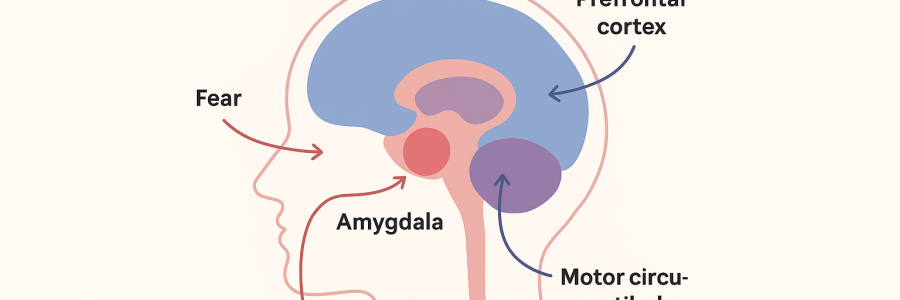
Early attachment issues are one of the most important areas where neuroscience and psychology meet, because the way a child bonds (or struggles to bond) with caregivers literally wires their brain. Let me unpack this in a neuroscience-based way: 🔬 Early Attachment from a Neuroscience Perspective 1. The Brain’s “Attachment Circuitry” Amygdala: The brain’s alarm system.… Read More 🔬 Early Attachment from a Neuroscience Perspective