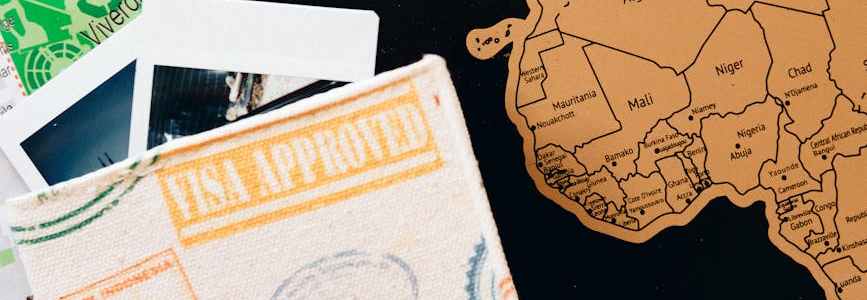
The High Stakes of Money Laundering

A fake business front is often designed to appear as a legitimate company, complete with a physical address, website, employees, and even a track record of business transactions. These fronts are used to funnel money from illegal activities, such as drug trafficking, fraud, or embezzlement, into the legitimate financial system. Once the money has been processed through the fake business—often by mixing it with legitimate revenues or by inflating invoices—it can be withdrawn or transferred elsewhere, appearing to be clean and legally obtained.… Read More The High Stakes of Money Laundering

The Perils of Using Fake Documents to Evade Taxes and Payments

For individuals and businesses under financial pressure, the idea of creating or using fake documents to reduce tax liability or avoid payments can seem like an appealing solution. It might appear as though falsifying income statements, expense reports, or other financial documents could provide a way to retain more money or delay financial responsibilities. The allure lies in the seemingly low chance of getting caught, especially if one believes they can outsmart the system or remain under the radar.… Read More The Perils of Using Fake Documents to Evade Taxes and Payments

The Dangerous Game of Using Fake Passports: A False Hope for Those with a Criminal Record

In a world where borders are becoming more regulated and international travel is increasingly monitored, individuals with a criminal record face significant barriers when trying to enter other countries. These restrictions can feel like insurmountable obstacles, especially when seeking a fresh start or simply trying to visit family and friends abroad. Some people, in their desperation, might consider using fake passports as a means to bypass these barriers. However, this is not just a dangerous gamble—it’s a move that can have severe legal, financial, and personal consequences.… Read More The Dangerous Game of Using Fake Passports: A False Hope for Those with a Criminal Record

The Inhumane Practice of Confinement and Drugging

Mental Disorientation and Cognitive Impairment: The constant use of drugs, particularly those that affect the central nervous system, can lead to significant cognitive impairment. The victim may experience memory loss, confusion, difficulty concentrating, and impaired decision-making abilities. These effects are compounded by the lack of mental stimulation and social interaction that comes with being confined to a single room. Over time, the victim may become increasingly disoriented, losing their sense of time, place, and reality.

Emotional Trauma and Depression: The psychological impact of being confined and drugged is severe. The victim is likely to experience feelings of intense fear, anxiety, and hopelessness. The loss of control over their own body and environment can lead to deep emotional trauma, including severe depression and even suicidal thoughts. The drugs may numb some of these emotions, but they also prevent the victim from processing their trauma or seeking help.

Physical Health Deterioration: The physical effects of long-term drug use can be devastating. Depending on the substances used, the victim may suffer from a range of health issues, including organ damage, respiratory problems, malnutrition, and a weakened immune system. The lack of movement and exercise due to confinement can also lead to muscle atrophy, bedsores, and other complications. In extreme cases, the combination of poor physical health and drug dependency can be life-threatening.… Read More The Inhumane Practice of Confinement and Drugging

Control, Exploitation, and the Erosion of Well-Being

Social isolation is a powerful and destructive tactic often employed by abusers to assert control over vulnerable adults. By cutting off an individual from their friends and relatives, the abuser not only removes essential sources of support but also fosters an environment where exploitation and manipulation can thrive unchecked. This deliberate isolation is a grave… Read More Control, Exploitation, and the Erosion of Well-Being

The Seizure of Personal Belongings as a Tool of Control

Legal Action: Victims can pursue legal action against the person who has taken their belongings. This can involve filing a police report for theft, seeking a restraining order, or pursuing a civil lawsuit for damages. In cases of domestic abuse, many jurisdictions offer additional protections and support services to help victims recover their belongings and regain their autonomy.

Recovery of Documents: For lost or stolen documents, such as passports or birth certificates, individuals can apply for replacements through the relevant government agencies. While this process can be time-consuming and may require proof of identity, it is a crucial step in regaining control over one’s life.

Support Services: Many countries have support services for victims of abuse or coercion, including hotlines, shelters, and legal aid organizations. These services can provide assistance in recovering personal belongings, accessing legal protections, and navigating the process of replacing important documents.

Advocacy and Awareness: Advocacy groups play a vital role in raising awareness of the issue of document and property seizure, particularly in the context of domestic abuse and coercion. These groups can provide resources and support to victims, as well as lobby for stronger legal protections.… Read More The Seizure of Personal Belongings as a Tool of Control

The Impact of Constant Surveillance on Vulnerable Adults:

Surveillance today goes far beyond the traditional monitoring of communications, such as phone calls and emails. It includes the use of cameras in public and private spaces, GPS tracking, internet activity monitoring, and even biometric data collection. For vulnerable adults, this can mean that their daily routines, behaviors, interactions, and even thoughts (inferred through patterns of activity) are subjected to scrutiny. This level of oversight might be well-intentioned, aiming to ensure safety or provide care, but it can easily become overbearing and invasive.… Read More The Impact of Constant Surveillance on Vulnerable Adults:

Baby Steps

Taking “baby steps” and being gentle with yourself is a powerful approach, especially when you’re dealing with challenges, personal growth, or recovery. This mindset is about recognizing that progress doesn’t have to be swift or overwhelming; it’s okay to move slowly and treat yourself with compassion along the way. Here’s how you can incorporate this… Read More Baby Steps

Using Drugs to Silence

In many cases, people who resort to drugging others are trying to prevent them from revealing damaging information, which could range from criminal activities like fraud, theft, or violence to highly unethical behavior. The gravity of using drugs in this way is immense because it not only endangers the physical and mental health of the victim but also represents a severe breach of trust and safety.… Read More Using Drugs to Silence