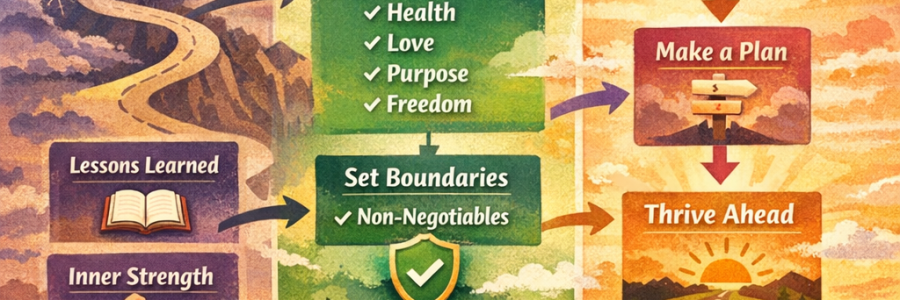
From survival → to stability

Building a new life after a long-term relationship is often less about “moving on” and more about rebuilding your relationship with yourself. It can feel strange at first—especially if you’ve spent years orienting your life around another person. Even simple things can feel unfamiliar: eating alone, making decisions alone, spending a weekend alone. But “alone” and… Read More From survival → to stability

Misleading Information on Dating Apps and Sites: Psychology, Red Flags & Why It Happens

Dating apps have made connection easier. They have also made misrepresentation easier. Not everyone lies — many people are honest. But misleading information on dating apps is common, and it ranges from harmless self-enhancement to serious deception. What counts as misleading? It can include: old or heavily edited photos inaccurate age incorrect height relationship status not… Read More Misleading Information on Dating Apps and Sites: Psychology, Red Flags & Why It Happens

You are here to be something, not just do something.

Modern life teaches us to focus on doing: achieving producing fixing striving proving But many spiritual traditions — and much of psychology — point toward something deeper: Who are you becoming while you do those things? The soul asks different questions Not: What did you accomplish? How much did you earn? How much did you do?… Read More You are here to be something, not just do something.

🧠 What is unfinished emotional work?

“Unfinished emotional work” is a simple way of describing emotions, patterns, wounds, or grief that have not yet been fully processed, understood, or integrated. It does not mean someone is “broken.” It means something emotionally significant happened — and the mind and body adapted to survive it, but never fully completed the healing process. 🧠 What is unfinished… Read More 🧠 What is unfinished emotional work?

Emotional whiplash

When someone enters a new relationship before processing their previous one, and later crashes emotionally, the new partner often feels the impact deeply — and often very confusingly. Psychologically, they can become an unwitting recipient of unresolved grief. What happens to the new partner? At first, they may experience: intense attention emotional closeness strong declarations hope and excitement Then… Read More Emotional whiplash

At first, a new relationship can feel like relief

When someone appears to move on quickly, enters a new relationship, and then crashes emotionally later, it often means the original grief was delayed, bypassed, or anaesthetised — not resolved. Psychologically, this is very common. 🧠 What happens in the beginning? At first, a new relationship can feel like relief. It provides: dopamine (novelty, excitement) validation (“I’m still… Read More At first, a new relationship can feel like relief

🧠 Do men really move on faster?

It’s a common belief that “men move on faster than women” or that men often replace one relationship with another immediately (sometimes even overlapping) — but psychology and neuroscience suggest the answer is more nuanced. The short answer: it’s partly a myth, partly a difference in coping style. 🧠 Do men really move on faster? Not necessarily. Research often shows that:… Read More 🧠 Do men really move on faster?

On the Rebound: What Are the Signs? (Psychology & Neuroscience)

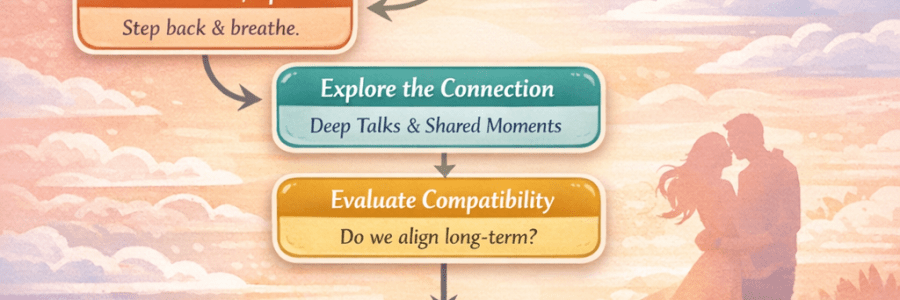
A rebound relationship is not automatically unhealthy. Sometimes people genuinely move on quickly. But sometimes a new relationship is being used — consciously or unconsciously — to avoid emotional pain rather than process it. Psychologically, the question is not:“How soon did they date?” It is:“What function is this new relationship serving?” 🧠 The neuroscience of rebound relationships After a… Read More On the Rebound: What Are the Signs? (Psychology & Neuroscience)

Abuse is not a “two versions of reality”

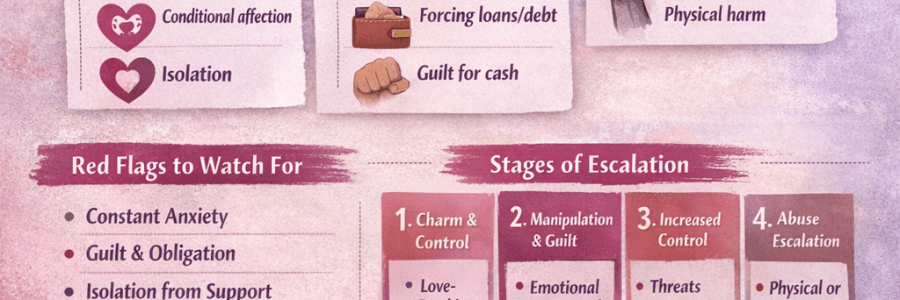
Abuse is not a “two versions of reality” situation in any meaningful moral sense.Whatever cognitive or emotional narratives people build afterwards, abuse is defined by behaviour and its impact, not by interpretation. ⚖️ The important distinction 1. Abuse is behaviour-based, not perception-based In psychology and law, abuse is identified through patterns of actions, such as: coercion or… Read More Abuse is not a “two versions of reality”