Self-mastery

Self-mastery is the process of gaining control over your thoughts, emotions, and behaviors to achieve a higher level of personal growth, well-being, and fulfillment. It involves understanding yourself deeply, recognizing your strengths and weaknesses, and developing the ability to direct your actions in alignment with your values and goals.… Read More Self-mastery

The Dangers of Mixing Drugs

devolve into paranoia. Users may develop irrational fears that they are being monitored, followed, or conspired against. The stimulant’s effect on the brain’s neurotransmitter systems, particularly dopamine, can amplify these fears and distort reality.

Psychosis: Cocaine can induce psychosis, marked by hallucinations and delusions. Users might experience auditory hallucinations (hearing non-existent sounds or voices) or visual hallucinations (seeing things that aren’t there). Delusions, such as believing one is invincible or under constant threat, are also common.

Behavioral Changes: Under the influence, individuals might engage in irrational behaviors, like sending threatening messages or spreading false rumors. These actions often stem from the altered perception of reality and heightened suspicion caused by the drug. They might project their own anxieties or erratic behaviors onto others, leading to accusations that are not grounded in reality.… Read More The Dangers of Mixing Drugs

Be Mindful

“Be mindful of the company you keep; if people are comfortable speaking ill of others when they’re not present, they’ll likely do the same about you when you’re gone.” This quote emphasizes the importance of being aware of who you spend time with. If you find yourself in a group where people frequently discuss others… Read More Be Mindful

Consequences of Mixing Alcohol with Prescription and Illegal Drugs

Aggression or Violence: Certain drugs combined with alcohol can increase aggressive tendencies, leading to violent or erratic behavior.

Increased Risk-Taking: Impaired judgment can lead to engaging in risky activities, such as unsafe driving or dangerous physical activities.

Neglect of Responsibilities: The combined effects can lead to neglect of personal and professional responsibilities, impacting work, relationships, and daily functioning.… Read More Consequences of Mixing Alcohol with Prescription and Illegal Drugs

To whom it may concern,

To whom it may concern,

I have recently noticed that certain posts of mine have been reported to Facebook as spam. I would like to address this matter directly with the individual responsible for these reports.

My posts are intended to raise awareness and provide valuable information on serious issues. Facebook’s review process has consistently found that my content aligns with their guidelines and is not in violation of their policies.

If you have concerns or feedback about my posts, I encourage you to reach out to me directly. Open and constructive communication is always preferable to anonymous reporting.

Thank you for your understanding and cooperation.

Best regards,

Linda – Always By Your Side… Read More To whom it may concern,

Substance Use and Paranoia: How Drugs and Alcohol Fuel Suspicion and Fear

Substance-induced paranoia can have devastating effects on both the individual and those around them. Relationships can be severely strained as the person experiencing paranoia becomes distrustful, accusatory, and sometimes aggressive. In some cases, the paranoia can lead to violent behavior, as the individual feels compelled to “defend” themselves against perceived threats.

For the individual, the constant state of fear and suspicion can be overwhelming. It often leads to social isolation, as they withdraw from friends and family to avoid the imagined dangers. This isolation can exacerbate feelings of loneliness and despair, creating a vicious cycle of substance use and worsening mental health.

In addition to the psychological toll, substance-induced paranoia can lead to legal and financial problems. For example, a person convinced that they are being followed may take drastic and illegal actions, such as fleeing the scene of an imagined threat or engaging in confrontations with strangers or law enforcement.… Read More Substance Use and Paranoia: How Drugs and Alcohol Fuel Suspicion and Fear

Paranoia and Projection

Mental Health Issues: Paranoia is a common symptom in various mental health conditions, such as paranoid personality disorder, schizophrenia, or bipolar disorder. Individuals suffering from these conditions may struggle with distorted thinking, leading them to falsely believe that others are targeting them.

Substance Use: Drug use, particularly stimulants like methamphetamine or cocaine, can induce paranoia. Long-term substance abuse can alter brain chemistry, leading to persistent feelings of fear, suspicion, and the belief that others are out to get them.

Excessive Alcohol Consumption: Alcohol can impair judgment and increase anxiety, leading to paranoid thoughts. Chronic alcohol use can also exacerbate underlying mental health conditions, making paranoid behavior more pronounced.

Past Trauma: Individuals who have experienced trauma, such as abuse or betrayal, may develop hypervigilance as a coping mechanism. This heightened state of alertness can sometimes escalate into paranoia, where they perceive threats even when none exist.… Read More Paranoia and Projection
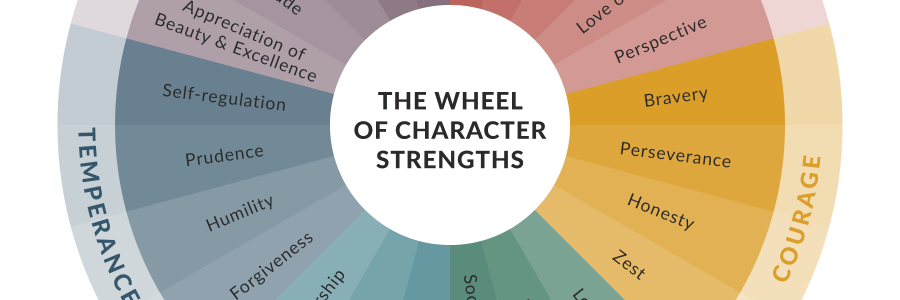

Safeguarding Your Wellbeing

Staying safe in a world where threats are not always immediately visible requires a combination of awareness, vigilance, and practical action. By trusting your instincts, setting clear boundaries, and understanding that appearances can be deceptive, you can better protect yourself from those with ill intentions. Remember, staying informed and prepared not only enhances your personal safety but also empowers you to navigate the world with confidence and peace of mind.… Read More Safeguarding Your Wellbeing

The Dark Triad

Characteristics: Machiavellianism is characterized by a manipulative and cunning approach to life. Individuals with high levels of Machiavellianism are strategic and calculating, often using deceit and manipulation to achieve their objectives. They are typically unemotional and focused on their own self-interest.

Behavior: Machiavellians are skilled at controlling situations and people to their advantage. They are often pragmatic, seeing moral or ethical concerns as irrelevant if they stand in the way of their goals. This trait is named after Niccolò Machiavelli, whose writings on political power emphasized cunning and duplicity.… Read More The Dark Triad

Due Diligence

It’s almost a textbook case of financial deception—no previous history, no real traceable background, just a facade meticulously crafted to lure you in. These individuals are often masters of manipulation, skilled at exploiting the trust and goodwill of others. They know how to present themselves as the perfect partner or advisor, all the while concealing their true intentions.… Read More Due Diligence