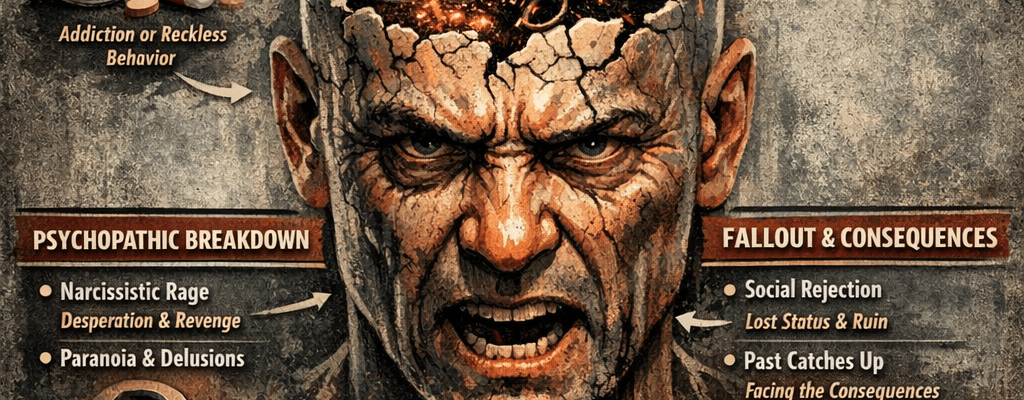
What an abuser may experience psychologically while they are insulting, threatening or physically intimidating someone, there isn’t one universal emotional response. But certain patterns are commonly associated with abusive behaviour.
- Power and control: The immediate experience may be a sense of control—“I can make this person stop, submit, become frightened or do what I want.”
- A sense of dominance: Seeing the other person become frightened or distressed can reinforce the abuser’s perception that their tactics are working.
- Anger and entitlement: Some abusers experience intense anger when they feel challenged, contradicted, rejected or unable to control another person.
- Emotional release: For some, aggression temporarily reduces their own feelings of frustration or humiliation. That temporary relief can reinforce the behaviour.
- Shame or insecurity: An abuser may have underlying shame, insecurity or feelings of inadequacy, but those feelings do not excuse the abuse.
- Justification: Afterwards, they may minimise what happened, blame the victim, claim they were provoked, or convince themselves that the behaviour was justified. This can allow the cycle to continue.
- Reinforcement: If intimidation produces the outcome they wanted, the brain can learn that aggression is an effective strategy for obtaining compliance.
One important distinction is that abuse isn’t necessarily about losing control. In many situations, intimidation is actually being used to gain control.
And that leads to a particularly important point for survivors:
The fact that an abuser feels powerful when they frighten someone doesn’t mean the victim is powerless. It means intimidation is temporarily producing the response the abuser wants.
Over time, removing access, establishing boundaries and creating safety can take away that mechanism of control.

