One of the most important lessons I have learned is that justice is not built on rumours, opinions or assumptions.
It is built on evidence.
Evidence that can be examined.
Evidence that can be challenged.
Evidence that can be tested in a court of law.
In my case, there were two criminal convictions in the Criminal Court in Benidorm. Those convictions were reached after the court considered the evidence before it.
The convictions were subsequently appealed.
The appeal was unsuccessful, and the convictions were upheld.
That is significant because the appeal process exists to ensure that convictions are legally and factually sound. An appeal court reviews the grounds of appeal and the relevant legal issues before deciding whether the original decision should stand.
For me, this reinforces an important principle.
Facts matter.
Evidence matters.
The truth matters.
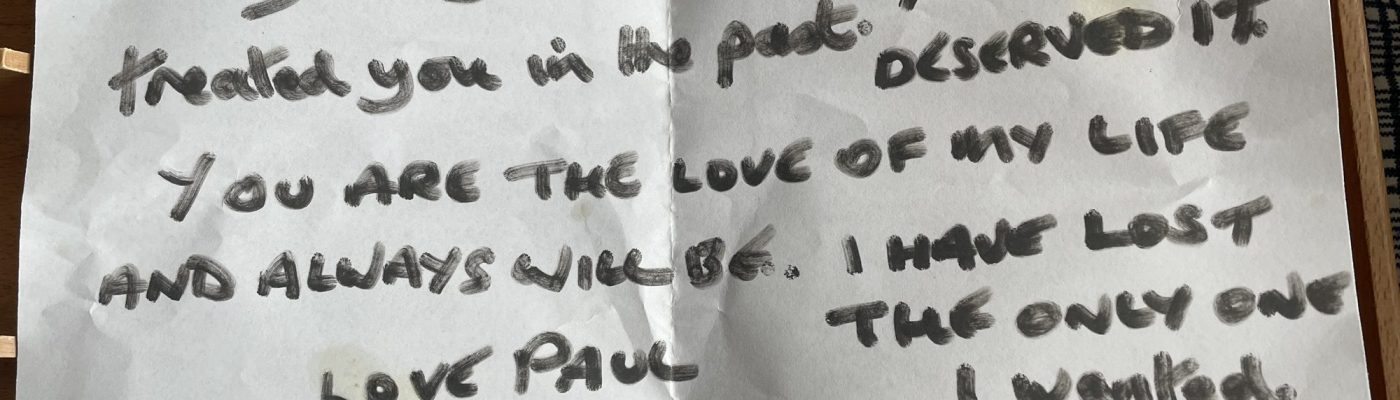
Throughout my journey, I have preserved documents, photographs, medical records, psychological reports, messages and other contemporaneous evidence because I understood that evidence speaks far more powerfully than opinion ever can.
People are entitled to their opinions.
Friends and family may support the person they know, often without seeing the full picture or the evidence considered by the courts.
That is human nature.
But courts do not decide cases on loyalty or reputation.
They decide cases on the evidence presented before them and the law that applies.
This is not about revenge.
It is about accountability.
It is about recognising that abuse has real consequences and that justice depends on facts rather than assumptions.
My hope in sharing my story is not simply to look back at what happened to me, but to encourage survivors to preserve evidence, seek appropriate legal advice and understand that truth, when supported by credible evidence, has the power to be heard.
Justice begins with the courage to speak.
It is sustained by evidence.
And it is strengthened when the rule of law prevails.

