The Neuroscience of Letting Go: Why Surrender Regulates Your Mind and Reclaims Your Power

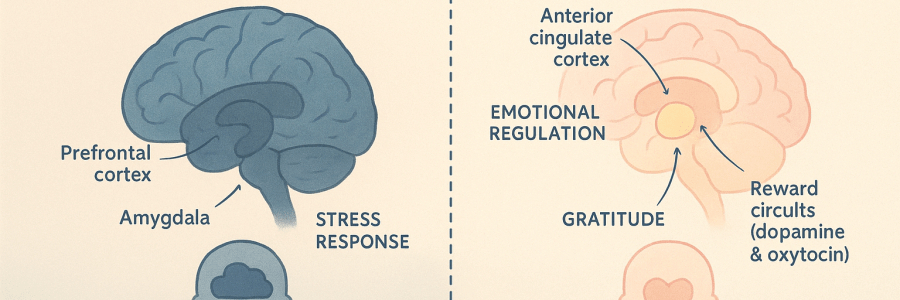
What feels like “letting go” emotionally…is actually a profound shift happening inside your brain and nervous system. This isn’t just spiritual.It’s biological. When you try to control everything — outcomes, people, timing —your brain perceives uncertainty as a threat. This activates your amygdala — the part of the brain responsible for fear and survival. Your body moves… Read More The Neuroscience of Letting Go: Why Surrender Regulates Your Mind and Reclaims Your Power
Your Brain & Heart Recovery Plan (After Years of Emotional Uncertainty)

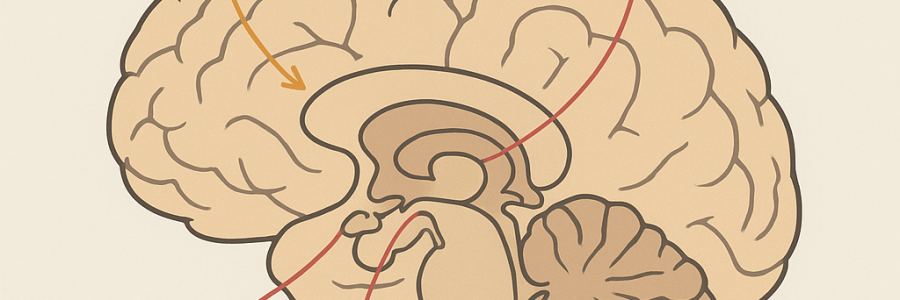
Phase 1: Awareness – “This Was Conditioning, Not Love” Goal: Break the emotional spell What happened to you wasn’t just a relationship—it was conditioning. Your brain got hooked on intermittent reinforcement (inconsistent attention = addictive loop) You were trained to wait, analyze, and tolerate confusion Your nervous system learned: “Love = uncertainty” 👉 Reframe (daily):“Consistency is safe. Confusion is not chemistry.” This… Read More Your Brain & Heart Recovery Plan (After Years of Emotional Uncertainty)

🌿 Choosing Yourself: The Neuroscience and Psychology of Taking Time for You

Life is full of connections—some light, some deep, some intense, some fleeting. And sometimes, even when a connection feels powerful and real, it can leave us feeling hurt, uncertain, or emotionally off-balance. That’s when stepping back and choosing to focus on yourself can be one of the most powerful moves you make. 🧠 The Science… Read More 🌿 Choosing Yourself: The Neuroscience and Psychology of Taking Time for You

“Everyone comes into your life for a reason”

The idea that —“everyone comes into your life for a reason”—feels spiritual, but there is a real neuroscience and psychology lens that explains why it feels so true. Let’s ground it in how your brain actually works: 🧠 1. Your brain is wired to create meaning Humans don’t just experience life—we interpret it. This comes from the brain’s drive for… Read More “Everyone comes into your life for a reason”

Great sex + emotional connection = bonding

Great sex + emotional connection = bonding, but the other person’s brain may be running a very different program underneath. Here’s what’s often happening from a neuroscience perspective: 🧠 1. Your brain bonds fast (and deeply) During intense sex and connection, your brain releases: Dopamine → excitement, craving, “this feels amazing” Oxytocin → attachment, trust, closeness Vasopressin →… Read More Great sex + emotional connection = bonding

Why words and reality often don’t match.

Not everyone who says they want a serious relationship is actually capable of one. And neuroscience and psychology explain why words and reality often don’t match. Here’s a grounded, evidence-based way to understand it — without becoming cynical, but staying sharp. 🧠 Why people say they want something they can’t deliver 1. Dopamine vs. Commitment Early dating triggers the brain’s reward… Read More Why words and reality often don’t match.

Neuroscience of Real Love

Real love is more than just butterflies or excitement—it’s a mix of neuroscience, psychology, and deep emotional patterns. Understanding it through both fields can help you distinguish authentic love from infatuation or temporary attachment. Here’s a detailed breakdown: 1. Neuroscience of Real Love Brain Regions Involved Ventral Tegmental Area (VTA) – the “reward center.” Releases dopamine when you feel connection… Read More Neuroscience of Real Love

The Brain’s Fantasy Mechanism

In the early stages of romance, the brain can create something psychologists sometimes call the “illusion of early love.” It feels incredibly real and powerful, but a lot of it is actually driven by temporary neurochemistry rather than deep emotional knowledge of the other person. Here’s what Neuroscience and Psychology show happens. 1. The Dopamine “Love High” When we meet someone… Read More The Brain’s Fantasy Mechanism

Heart Rhythm Synchronization

There is some fascinating research in neuroscience and physiology showing that our bodies can actually synchronize with the people around us, especially when we feel emotionally connected. It doesn’t mean we share thoughts literally, but our brains, hearts, and nervous systems can align in subtle ways. 🧠❤️ 1. Heart Rhythm Synchronization Studies measuring heart activity (using ECG… Read More Heart Rhythm Synchronization