Finally Being Heard: The Neuroscience of Meeting Someone Who Truly Listens
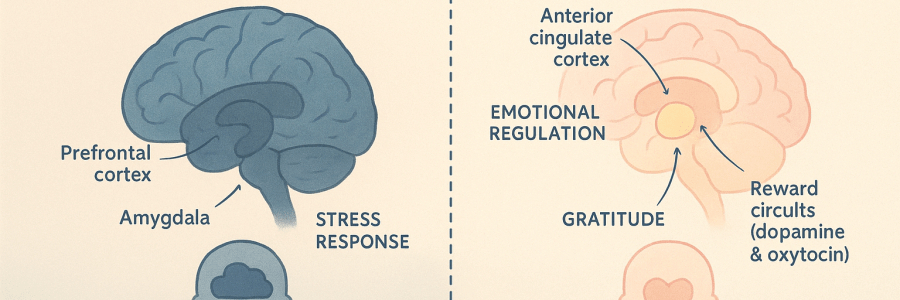
After everything you’ve been through, meeting a man who actually listens—who responds, who pays attention, who shows genuine presence—feels like stepping into a completely different emotional world. And it is. Your brain knows it immediately. It’s early days, and you’re wisely grounded, but something about this encounter stands out. No Tinder, no dating apps, no… Read More Finally Being Heard: The Neuroscience of Meeting Someone Who Truly Listens
**“Never a Discussion — Only Threats”

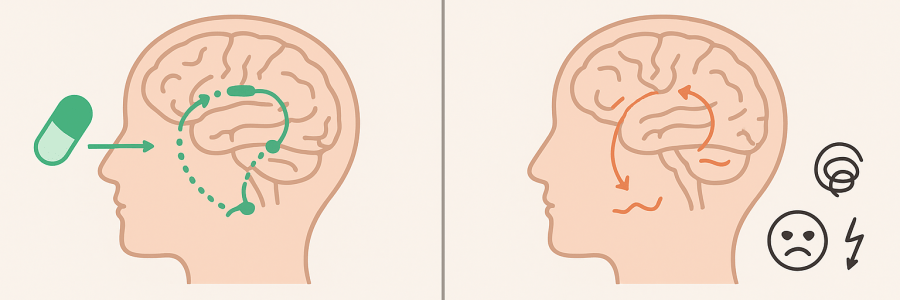
What It Really Means When Communication Is Replaced by Fear** Some relationships never have conversations — only warnings, threats, and emotional landmines. No curiosity.No dialogue.No mutual reflection.Just dominance wrapped in sentences like: “Don’t push me.” “You’ll regret it.” “Don’t make me angry.” “You’re asking for trouble.” “Do as I say.” When there is never a discussion, only fear, it’s not… Read More **“Never a Discussion — Only Threats”

Why We Sometimes End Up Back Where We Were — And How to Listen to Your Body

By Linda C. J. Turner | Trauma Therapist & Neuroscience Practitioner© LindaCJTurner.com Have you ever wondered why, even after years of growth and self-awareness, you sometimes find yourself slipping back into unhealthy patterns? Relationships, habits, or environments that once hurt you — yet now, for a moment, feel familiar again. The answer lies in the way… Read More Why We Sometimes End Up Back Where We Were — And How to Listen to Your Body

Daily Healing Tools

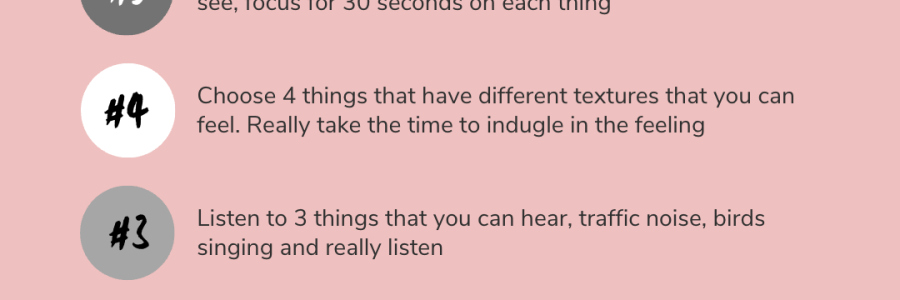
Small, science-based habits to retrain the brain toward peace Recovery isn’t about one breakthrough moment. It’s about tiny, repeated signals of safety that teach the nervous system to stand down. The brain learns through repetition, so the more consistently you practice these, the faster calm becomes your new baseline. 1. Morning Grounding – Re-orienting the Senses When… Read More Daily Healing Tools

Hot and Cold

“hot and cold” behavior is one of the clearest patterns of emotional manipulation or inconsistent attachment. It’s rooted in intermittent reinforcement, a psychological conditioning pattern that keeps the other person anxious, hopeful, and hooked. Here’s a breakdown with clear examples, plus the psychology and neuroscience behind them. 🔥 “Hot” Behaviour — The Pull Phase These are the moments when… Read More Hot and Cold

The Original “Suspension Bridge” Study (Dutton & Aron, 1974)

Let’s go deeper into the misattribution of arousal, its neuroscience, and how cortisol and emotional conditioning turn that initial thrill or anxiety into a powerful — and often dangerous — attachment loop. This is one of the most fascinating (and disturbing) examples of how biology can be hijacked by emotional manipulation. 🧠 1. The Original “Suspension Bridge” Study… Read More The Original “Suspension Bridge” Study (Dutton & Aron, 1974)

❤️‍🔥 Love in the Age of Algorithms: The Neuroscience of Dating Apps, Honesty, and Deception

💬 The Swipe That Changed Everything Dating apps were meant to simplify love — turning chance encounters into curated matches.And in many ways, they work: people meet, connect, even marry through them.But the same tools that help us find love can also amplify illusion — the carefully filtered self, the dopamine-fueled thrill, and, at times, the emotional… Read More ❤️‍🔥 Love in the Age of Algorithms: The Neuroscience of Dating Apps, Honesty, and Deception

🧠 1. Social Comparison & Reward Circuits

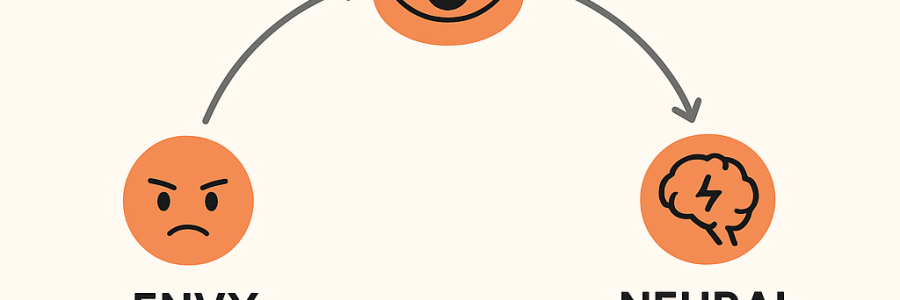
The human brain constantly evaluates relative standing. The ventral striatum and orbitofrontal cortex track how we measure up against others. When another person has “more” (comfort, stability, pleasure), our dopamine response can dip, and the anterior cingulate cortex triggers discomfort — the neural basis of envy. So, seeing someone else’s abundance can feel like a mini loss in the brain’s reward balance. 💭 2. Symbolic Meaning of… Read More 🧠 1. Social Comparison & Reward Circuits

🧠 1. Early Scarcity Rewires the Stress System

Growing up with material insecurity or social stigma chronically activates the amygdala–HPA axis (the brain’s threat circuit). Cortisol stays high → the child’s brain learns that safety = control and status. The dopamine system (reward motivation) becomes tuned to external symbols of safety — money, appearance, approval. Over time, this wires the brain to chase status cues as a way to feel calm.… Read More 🧠 1. Early Scarcity Rewires the Stress System