Relief vs. Calm — What’s the difference?
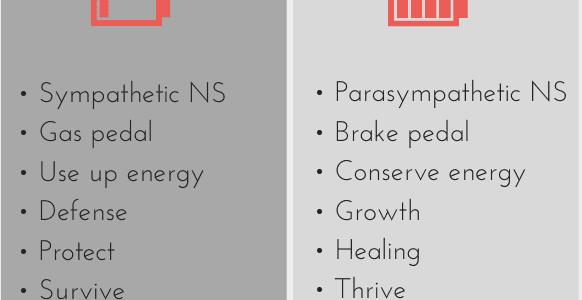
Relief Relief is a reactive physiological‑emotional state. It occurs when a stressor or threat diminishes or ends. For example: you finish a difficult project, get through an argument, narrowly avoid a danger. The tension, vigilance or threat drops and you feel “whew”—that’s relief. In nervous‑system terms, relief often means that your sympathetic (“fight/flight/alert”) system was active or… Read More Relief vs. Calm — What’s the difference?
When Relief Feels Like Love

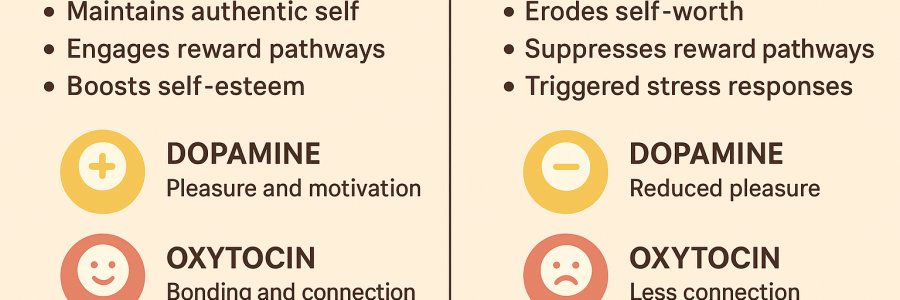
When you’ve experienced emotional neglect, betrayal, or manipulation, your body adapts before your mind does. Your attachment system—designed to seek safety and predictability—lowers its standards. What once counted as “basic decency” starts to feel like security. The nervous system quietly revises the rules. In this state, not being hurt can register as being loved. When someone is merely… Read More When Relief Feels Like Love

Healthy Reciprocity: Building Safety and Reward in Relationships

Reciprocity is the backbone of trust, emotional safety, and attachment. It works because your brain and nervous system are wired to seek predictable, rewarding interactions. 1. The Neurochemistry of Reciprocity When someone consistently responds to your needs — emotionally, physically, or socially — your brain releases key neurochemicals: Neurochemical Role Effect on Relationships Oxytocin Bonding hormone Promotes… Read More Healthy Reciprocity: Building Safety and Reward in Relationships

Understanding High DASH Scores and MARAC High-Risk Classification

1. What the Scores Indicate DASH has 27 questions covering physical, emotional, sexual abuse, harassment, stalking, threats, and children’s exposure to abuse. Answering “Yes” to 21 items indicates multiple, serious risk factors are present. Suggests: frequent abuse, threats to life, potential for escalation, and significant danger to the victim. MARAC classifies victims based on DASH and other… Read More Understanding High DASH Scores and MARAC High-Risk Classification

Coercive Legal Tactics: Neuroscience & Psychology

I initiated divorce proceedings over a year ago 17th October 2024 The ex-partner’s lawyer proposes an unfair settlement (65/35 split on property, he keeps the dog and I have to pay for MY car). They threaten total loss of property if you don’t agree. They demand withdrawal of complaints, drop the criminal charges and the restraining order. These actions constitute coercive… Read More Coercive Legal Tactics: Neuroscience & Psychology

Working With Attraction While Healing

1. Acknowledge the Chemistry Recognize that feeling drawn to someone is normal brain chemistry (dopamine, oxytocin, and serotonin spikes). Feeling desire or attachment does not mean weakness — it’s your nervous system responding to novelty, bonding cues, or emotional reward. Key practice: name the physiological response: “My body is experiencing dopamine and oxytocin surges; this is normal.” 2. Name What… Read More Working With Attraction While Healing

Intergenerational Transmission of Anxiety and Social Dysfunction:

A Research-Heavy Neuroscience & Psychology Overview** Modern science overwhelmingly supports the reality that anxiety and social functioning problems can be inherited— not only genetically, but through epigenetic modification, neurodevelopmental programming, and learned behavioral patterns across generations. This phenomenon is known as intergenerational transmission of trauma, epigenetic inheritance, and transgenerational stress programming. Below is a comprehensive explanation. 1. Epigenetic Transmission of Stress… Read More Intergenerational Transmission of Anxiety and Social Dysfunction:

Letting Go!

Life has a strange way of opening up only when your nervous system stops running in survival mode.When you’re anxious, fearful, or desperate, your brain goes into threat response — fight, flight, or freeze.In that state, you can’t see clearly, you can’t choose calmly, and you can’t receive anything new.Your whole system is focused on protecting you,… Read More Letting Go!

Reclaiming Your Mind After Decades of Deception: A Neuroscience Perspective

Living under prolonged deception—whether in relationships, work, or family—can leave deep imprints on the brain and nervous system. Over time, patterns of mistrust, hypervigilance, and self-doubt can become embedded, making it feel impossible to trust your own mind. Neuroscience shows that recovery is not only possible—it’s a process of rewiring your brain and restoring self-trust. 1.… Read More Reclaiming Your Mind After Decades of Deception: A Neuroscience Perspective

When Your Nervous System Heals: The Neuroscience of Liberation After Trauma

For decades, trauma can leave your nervous system on high alert, always scanning for danger and making you reactive to others’ behavior. You might have found yourself: Making choices to appease or avoid conflict Ignoring your gut feelings Feeling anxious or drained in relationships When the nervous system begins to regulate, something remarkable happens: you… Read More When Your Nervous System Heals: The Neuroscience of Liberation After Trauma