🧠 Why Danger Escalates After Leaving
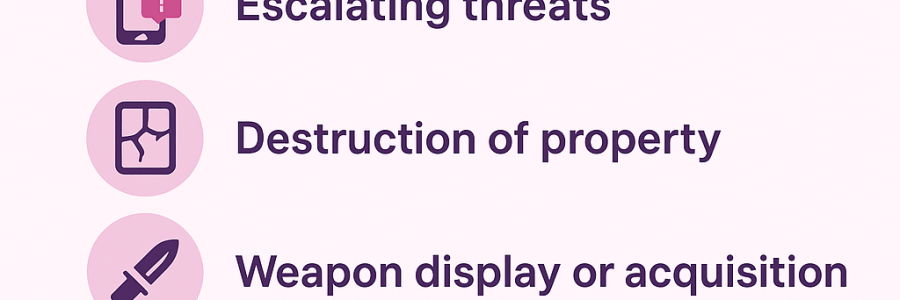
The period after leaving an abusive partner is often the most dangerous, and neuroscience helps explain why. Here’s a detailed guide on warning signs, brain-based responses, and why they shouldn’t be ignored, even when law enforcement is involved. 🧠 Why Danger Escalates After Leaving When a victim leaves, the abuser experiences it as a loss of control — literally a threat… Read More 🧠 Why Danger Escalates After Leaving
🧩 1. Psychological and Personality Traits of Abusers Who Kill

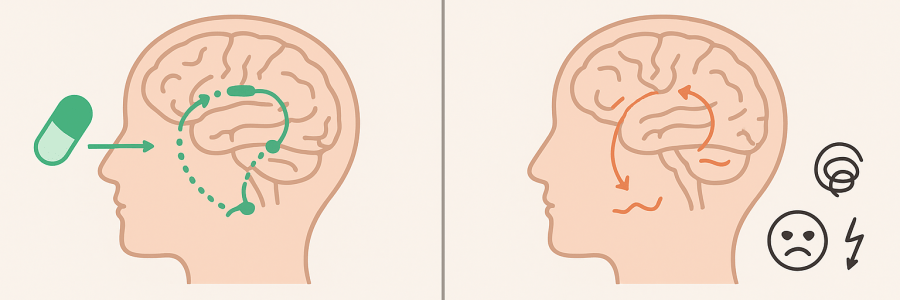
When intimate-partner violence escalates into homicide, it usually involves a predictable combination of personality traits, psychological dynamics, and neural patterns linked to control, fear, and rage. Let’s unpack this from three lenses: psychology, motivation, and neuroscience 👇 🧩 1. Psychological and Personality Traits of Abusers Who Kill Not all abusers who kill share the same personality type, but research shows clear patterns.… Read More 🧩 1. Psychological and Personality Traits of Abusers Who Kill

The Psychology of Digital Intimidation: Why Some Abusers Escalate During Divorce

By Linda Carol When a relationship ends, healthy people grieve, reflect, and eventually rebuild.Abusive people, however, often do something different: they intensify control.They move from affectionate texts to weaponized messages — from WhatsApp to email — using new channels to reassert power, rewrite the story, and destabilize the person trying to break free. This pattern is… Read More The Psychology of Digital Intimidation: Why Some Abusers Escalate During Divorce

The Neuroscience of Digital Threats: When WhatsApp Becomes a Tool of Psychological Harassment

By Linda Carol Technology has given us new ways to connect — and new ways to control, intimidate, and wound.When a message pings on WhatsApp, our brain reacts long before we consciously read it.If that message contains threats, emotional pressure, or blackmail, it doesn’t just disturb the mind — it leaves measurable imprints on the nervous… Read More The Neuroscience of Digital Threats: When WhatsApp Becomes a Tool of Psychological Harassment

The Psychology of Minimizing Abuse: Why Families Say “You’ll Both Move On”

By Linda Carol When someone tells you, “In a year you’ll both have moved on,” while you’re still reeling from trauma or even ongoing harassment, it can feel like a slap.It sounds well-meaning on the surface — a gesture toward healing or optimism — but underneath, it’s a subtle act of emotional erasure. Why do people say things… Read More The Psychology of Minimizing Abuse: Why Families Say “You’ll Both Move On”

“In a year, you’ll both have moved on”

When a family member says something like “In a year, you’ll both have moved on” — while you’re still processing trauma or even enduring harassment — it can feel invalidating, even shocking. From psychology and neuroscience, this kind of response tells us a lot about how the human brain avoids discomfort, how social cognition works, and why people often side with… Read More “In a year, you’ll both have moved on”

Practical steps that calm the brain’s alarm system

Science-based strategies that protect your body and mind when you’ve been through chronic harassment or trauma.(If someone is currently violating a restraining order, though, please keep involving law enforcement or a legal advocate—safety planning is the top priority.) 🧠 1. Re-establish real safety first Your nervous system can’t down-regulate while it still senses danger. Practical steps… Read More Practical steps that calm the brain’s alarm system

The Brain’s Safety System Is Still on Alert

When an abuser continues to intrude or stalk, even after you’ve left, it interferes with the brain’s natural healing and rewiring process. Let’s unpack what’s happening — both neurologically and psychologically — and why it can feel like your brain is being “hijacked” by the connection that refuses to die. 1. The Brain’s Safety System Is… Read More The Brain’s Safety System Is Still on Alert

Digital Boundaries: When Family Harassment Crosses the Line

In today’s world, harassment doesn’t always happen face-to-face. It often continues through screens — subtle but invasive monitoring of social media, messages, and personal updates. When family members repeatedly check, comment on, or screenshot your posts despite clear boundaries or even a restraining order, this is not “concern” or “family interest.” It is a form of… Read More Digital Boundaries: When Family Harassment Crosses the Line

“Why won’t he just move away?” 

That question — “Why won’t he just move away?” — is one of the hardest parts of dealing with this kind of person, because the answer isn’t logical. You’re expecting him to think like a healthy adult who wants peace. But psychologically, people who repeatedly violate boundaries don’t seek peace — they seek proximity, power, or emotional control.… Read More “Why won’t he just move away?”