How EMDR Helps You Heal and Feel Whole Again

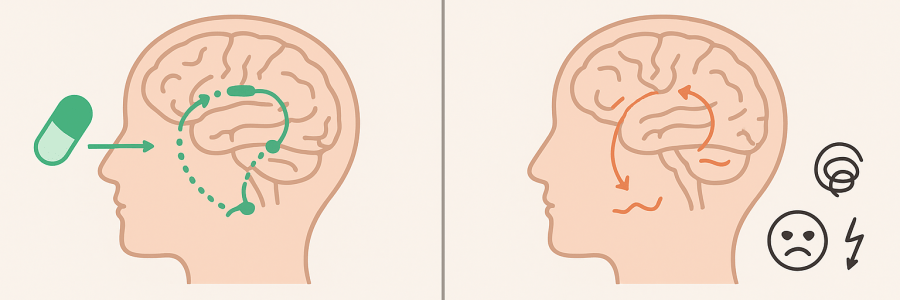
When we experience trauma, our brain doesn’t always process it as a past event.Instead, the memory — and all the emotions, sensations, and beliefs attached to it — can remain stuck, looping in the nervous system as if it’s still happening. You might notice this as anxiety, flashbacks, sudden tears, or an unexplained feeling of danger… Read More How EMDR Helps You Heal and Feel Whole Again
EMDR Therapy | Healing Trauma through the Brain – Linda C. J. Turner

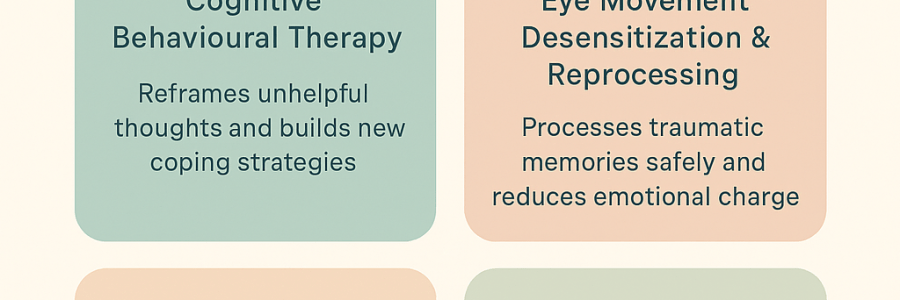
EMDR Therapy | Healing Trauma through the Brain – Linda C. J. Turner EMDR Therapy: Rewiring the Brain for Healing At Linda C. J. Turner, we understand that healing from trauma isn’t about forgetting your past — it’s about helping your brain and body finally recognize that it’s over. EMDR (Eye Movement Desensitization and Reprocessing)… Read More EMDR Therapy | Healing Trauma through the Brain – Linda C. J. Turner

EMDR (Eye Movement Desensitization and Reprocessing) 

Let’s unpack how EMDR (Eye Movement Desensitization and Reprocessing) works through the lens of neuroscience and healing psychology. 🧠 1. The Core Idea EMDR helps the brain reprocess traumatic memories that have been “stuck” in the nervous system — meaning they weren’t properly integrated at the time of the trauma because the brain went into survival mode (fight, flight, freeze, or fawn). When a… Read More EMDR (Eye Movement Desensitization and Reprocessing) 

The Psychology of Minimizing Abuse: Why Families Say “You’ll Both Move On”

By Linda Carol When someone tells you, “In a year you’ll both have moved on,” while you’re still reeling from trauma or even ongoing harassment, it can feel like a slap.It sounds well-meaning on the surface — a gesture toward healing or optimism — but underneath, it’s a subtle act of emotional erasure. Why do people say things… Read More The Psychology of Minimizing Abuse: Why Families Say “You’ll Both Move On”

“In a year, you’ll both have moved on”

When a family member says something like “In a year, you’ll both have moved on” — while you’re still processing trauma or even enduring harassment — it can feel invalidating, even shocking. From psychology and neuroscience, this kind of response tells us a lot about how the human brain avoids discomfort, how social cognition works, and why people often side with… Read More “In a year, you’ll both have moved on”

🧠 Healing After Abuse: Psychological and Neuroscientific Support for Recovery

Leaving an abusive relationship — whether emotional, physical, or psychological — is not simply a matter of walking away. The trauma it leaves behind can echo through your body, brain, and emotions long after the abuse has ended.A skilled psychologist or court psychologist can play an essential role in helping you rebuild your sense of safety, identity,… Read More 🧠 Healing After Abuse: Psychological and Neuroscientific Support for Recovery

Schwarze Pädagogik

Alice Miller’s work on “poisonous pedagogy” (in German, schwarze Pädagogik or “black pedagogy”) is a cornerstone in understanding how child-rearing practices rooted in control, humiliation, and emotional repression can damage a person’s psyche for life. Here’s a clear overview of her ideas and their psychological and neuroscientific implications: 🌱 1. What “Poisonous Pedagogy” Means Miller used the term to describe traditional authoritarian parenting… Read More Schwarze Pädagogik