Post-traumatic growth
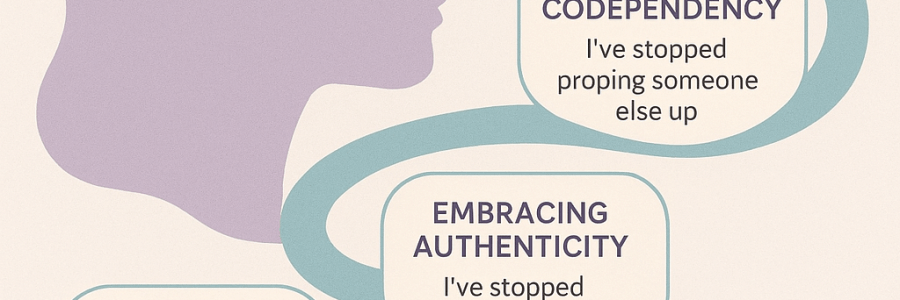
After leaving an abusive long-term marriage, many people go through something psychologists call post-traumatic growth. Research in Psychology and Neuroscience shows that although trauma is deeply painful, the brain and mind can actually develop new strengths and capacities during recovery. This does not mean the trauma was positive — but it means the brain is capable of transforming adversity into growth. 1. The… Read More Post-traumatic growth

When Healing Is Disrupted by Another Painful Experience

Healing from emotional pain is rarely a straight, predictable path. Many people make real progress—feeling stronger, calmer, and more hopeful—only to encounter another difficult experience that seems to reopen old wounds. When this happens, it can feel as though all the progress has disappeared. In reality, that is usually not what is happening. What often occurs… Read More When Healing Is Disrupted by Another Painful Experience

Complex PTSD (C-PTSD)

Deeper Self-Reflection Quiz This guide explores patterns linked to prolonged relational trauma, coercive control, emotional neglect, or chronic instability. Rate each statement: 0 = Never1 = Sometimes2 = Often3 = Almost Always 🧠 Section 1: Emotional Regulation My emotions feel overwhelming or difficult to control. I shift between emotional flooding and emotional numbness. I struggle… Read More Complex PTSD (C-PTSD)

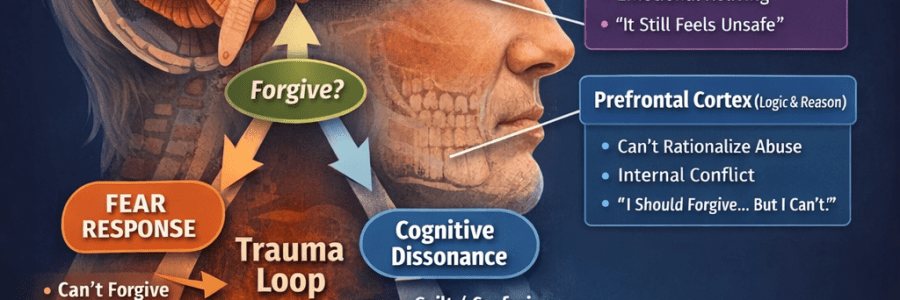
Forgiving an abuser while abuse is ongoing or unaccounted for is neurologically and psychologically impossible.

Forgiveness after abuse is not the same as forgiving a minor wrongdoing, and neuroscience and psychology explain why it’s often extremely difficult—sometimes impossible—without safety, repair, or accountability. Let’s break it down carefully. 🧠 Neuroscience & Psychology Behind Forgiving an Abuser 1️⃣ Trauma Hijacks the Brain Amygdala (fear center): Abuse sensitizes the amygdala. When the abuser is remembered, your brain reacts… Read More Forgiving an abuser while abuse is ongoing or unaccounted for is neurologically and psychologically impossible.

Why Healed Trauma Survivors Become Leaders, Mentors, Guides & Change-Makers

(Even when they never intended to) 1. They Develop Deep Human Insight Trauma + healing creates extraordinary emotional intelligence. You don’t just understand ideas — you understand: Human behaviour Emotional pain Survival responses Attachment wounds Fear patterns Healing pathways This creates: Natural leadership through understanding. People feel seen by you.And when people feel seen, they trust. 2. They… Read More Why Healed Trauma Survivors Become Leaders, Mentors, Guides & Change-Makers

Why Healed Trauma Survivors Experience a Surge of Life Force, Creativity & Purpose

When the nervous system finally comes out of survival mode, life energy that has been locked away for years suddenly becomes available again. And what emerges is often extraordinary. Here’s why, through neuroscience, psychology, and trauma physiology: 1. Survival Mode Finally Switches Off During trauma, your nervous system prioritizes only one thing: survival. That means: Creativity is suppressed… Read More Why Healed Trauma Survivors Experience a Surge of Life Force, Creativity & Purpose

Heal Trauma. Restore Safety. Reclaim Your Life.

Specialist Trauma Therapy for Emotional Abuse, PTSD & Complex RecoveryOnline sessions worldwide | Based in Spain If you are living with the emotional impact of abuse, trauma, chronic stress, or deep emotional pain, you are not broken — your nervous system is protecting you. I offer compassionate, neuroscience-informed therapy to help you gently process trauma, rebuild… Read More Heal Trauma. Restore Safety. Reclaim Your Life.