Practical steps that calm the brain’s alarm system

Science-based strategies that protect your body and mind when you’ve been through chronic harassment or trauma.(If someone is currently violating a restraining order, though, please keep involving law enforcement or a legal advocate—safety planning is the top priority.) 🧠 1. Re-establish real safety first Your nervous system can’t down-regulate while it still senses danger. Practical steps… Read More Practical steps that calm the brain’s alarm system

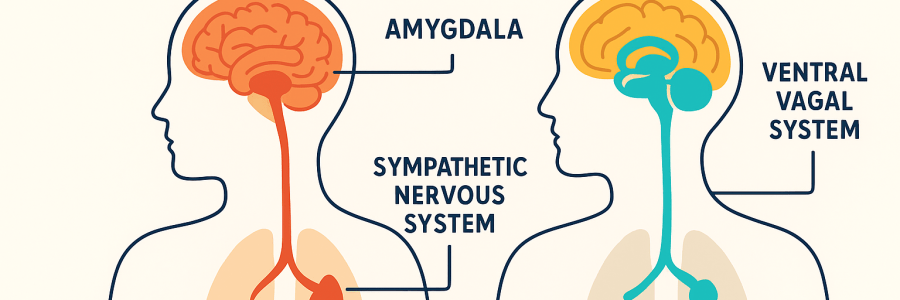
The Brain’s Safety System Is Still on Alert

When an abuser continues to intrude or stalk, even after you’ve left, it interferes with the brain’s natural healing and rewiring process. Let’s unpack what’s happening — both neurologically and psychologically — and why it can feel like your brain is being “hijacked” by the connection that refuses to die. 1. The Brain’s Safety System Is… Read More The Brain’s Safety System Is Still on Alert

The Neuroscience of Peaceful Living and Real Connection

Calm evenings out with real conversation.Someone who smiles, listens, and asks you questions — not to judge, but to connect.Evenings at home, sharing a meal, playing guitar, singing together.Weekends with friends and our dogs who’ve made the move to Spain.Fun days and nights with family — eating, laughing, relaxing. This is how life should be:No… Read More The Neuroscience of Peaceful Living and Real Connection

True Compatibility: Alignment Over Control

Many people enter relationships believing that love requires compromise. While compromise is essential for practical aspects of partnership, true compatibility is not about bending yourself to fit someone else’s world — it’s about alignment between your values, goals, and authentic self. The Psychology of Self-Abandonment Self-abandonment occurs when you suppress or compromise your core identity… Read More True Compatibility: Alignment Over Control

Love Has No Age: The Neuroscience of Living in the Moment

Yesterday, someone told me, “We’re too old for relationships.”Later that same day, another voice said the opposite — “It depends on where you are in your healing, and what feels right for you.” And that’s the truth: it always depends on where your heart and mind are in their journey. From a psychological view, healing reshapes the… Read More Love Has No Age: The Neuroscience of Living in the Moment

Reclaiming Peace: The Neuroscience of Living Life on Your Own Terms

Living life in constant vigilance—watching what you say, monitoring your every move, justifying your choices, and tiptoeing around the emotional volatility of others—takes an enormous toll on your brain and body. For many who have experienced prolonged stress or relational harassment, freedom isn’t just a luxury; it’s a fundamental act of healing. The Brain Under… Read More Reclaiming Peace: The Neuroscience of Living Life on Your Own Terms

“Why won’t he just move away?” 

That question — “Why won’t he just move away?” — is one of the hardest parts of dealing with this kind of person, because the answer isn’t logical. You’re expecting him to think like a healthy adult who wants peace. But psychologically, people who repeatedly violate boundaries don’t seek peace — they seek proximity, power, or emotional control.… Read More “Why won’t he just move away?” 

When Hate Replaces Love: The Psychology Behind an Ex Who Can’t Let Go

One year after a breakup — even after a restraining order — some people still can’t walk away.Their behavior moves beyond heartbreak into something darker: obsession, rage, and control.You can see it in their eyes — the love they once claimed has mutated into hate.But hate, in neuroscience, is just love turned toxic inside a dysregulated brain. 🧠 1.… Read More When Hate Replaces Love: The Psychology Behind an Ex Who Can’t Let Go