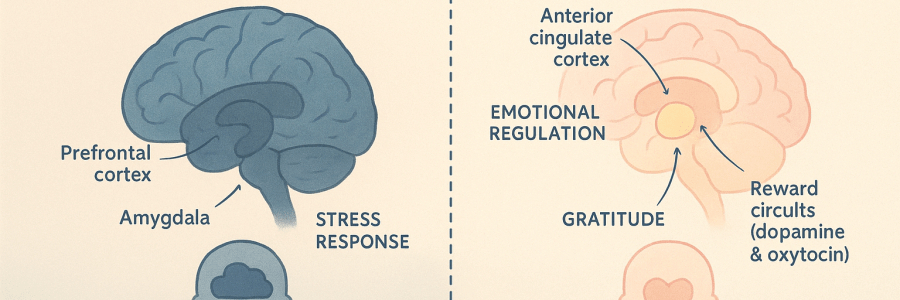
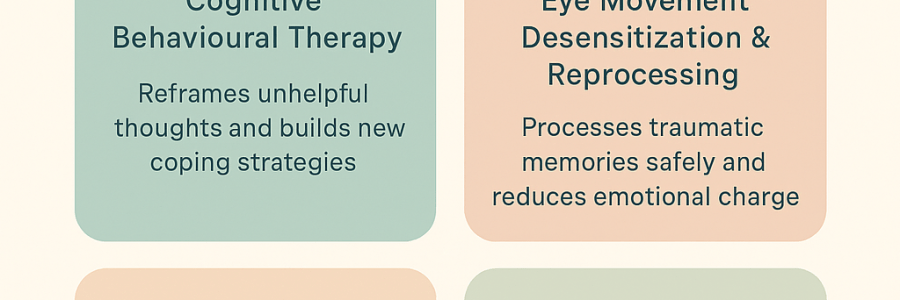
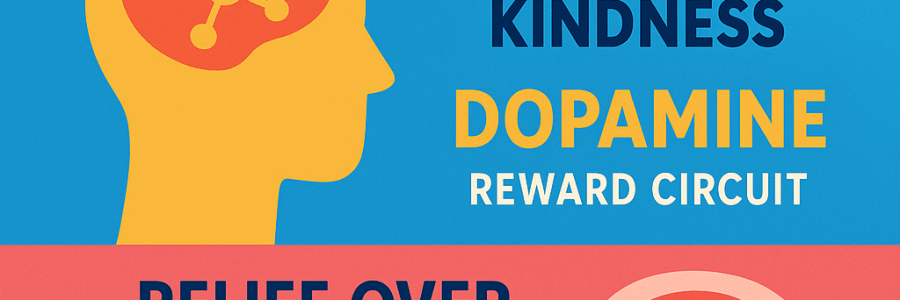
🧠 HOW “I’M ALWAYS RIGHT” LINKS TO NARCISSISTIC DEFENCES
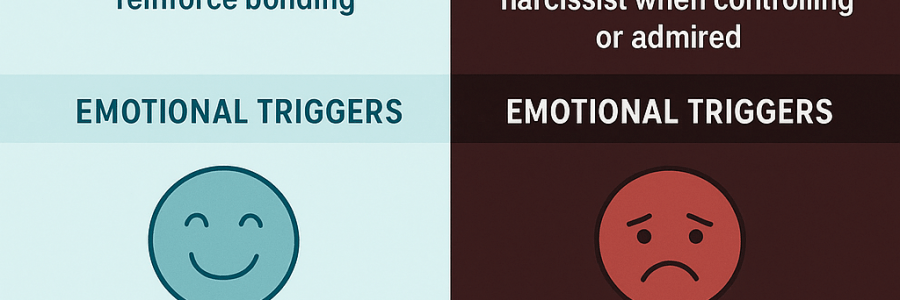
(Defence ≠ disorder) 1️⃣ THE CORE ISSUE IS SHAME, NOT GRANDIOSITY At the centre of narcissistic-style defences is unprocessed shame. Not: “I am superior”But: “If I am wrong, I am unsafe / unworthy / exposed.” The brain builds certainty as armour. 2️⃣ THE NEUROSCIENCE OF DEFENSIVE CERTAINTY 🧠 Brain mechanics Amygdala hypersensitive to threat Prefrontal cortex hijacked… Read More 🧠 HOW “I’M ALWAYS RIGHT” LINKS TO NARCISSISTIC DEFENCES

🧠 WHAT “I’M ALWAYS RIGHT” DOES TO THE BRAIN

1️⃣ The brain stops learning Neuroscience Learning requires prediction error (being wrong, updating) If you’re “always right,” the brain suppresses prediction error The prefrontal cortex (flexibility, insight) goes offline Result Neuroplasticity drops The brain becomes rigid Curiosity is replaced by certainty Certainty feels safe — but it is neurologically anti-growth. 2️⃣ The amygdala takes over Being wrong activates… Read More 🧠 WHAT “I’M ALWAYS RIGHT” DOES TO THE BRAIN

🧭 HOW TO EXIT FAST-INTIMACY GRACEFULLY

(Nervous system → behaviour → language → outcome) 1️⃣ FIRST: REGULATE BEFORE YOU SPEAK Fast intimacy triggers sympathetic arousal (urgency, pressure, obligation). Before responding: Slow your breathing Drop urgency Shorten messages Reduce frequency You’re signaling down-regulation. This alone often dissolves the dynamic. 2️⃣ NAME THE PACE — NOT THE PERSON Never say: “You’re too intense” “This is unhealthy”… Read More 🧭 HOW TO EXIT FAST-INTIMACY GRACEFULLY

🧠 TRAUMA BONDING vs 🧠 TRUE INTIMACY

(Why fast feels deep — but isn’t) 1️⃣ THE NEUROCHEMISTRY TRICK 🧠 Trauma bonding brain Adrenaline + cortisol (threat + arousal) Dopamine spikes (relief after distress) Oxytocin released under stress (bonding to danger) This cocktail creates: Urgency + intensity + emotional fusion Your brain mistakes relief for connection. 🧠 True intimacy brain Steady oxytocin Low cortisol Moderate dopamine Prefrontal cortex online… Read More 🧠 TRAUMA BONDING vs 🧠 TRUE INTIMACY

🧠 SECURE vs AVOIDANT COMPANIONSHIP BRAINS

(Brain → behaviour → relationship experience) 🟢 SECURE COMPANIONSHIP BRAIN “Connection is safe and mutual.” 🧠 Brain wiring Balanced amygdala (threat system not dominant) Strong prefrontal cortex integration Oxytocin system online (bonding + trust) Dopamine not dependent on extraction ⬇️ 🧍 Behaviour in early interactions Curious about you, not just your availability Comfortable with pauses, delays,… Read More 🧠 SECURE vs AVOIDANT COMPANIONSHIP BRAINS

WHY EMOTIONALLY REGULATED PEOPLE BECOME MAGNETS

1️⃣ Regulation is a resource the brain can sense Humans unconsciously scan for nervous-system cues. Your signals: Calm tone Emotional containment Clear thinking under stress Capacity to listen without collapsing To a dysregulated brain, this registers as: “This person can hold me.” That perception alone invites offloading. 2️⃣ Dysregulated systems seek external regulation People who lack self-regulation… Read More WHY EMOTIONALLY REGULATED PEOPLE BECOME MAGNETS

HOW TO SPOT RECIPROCITY CAPACITY EARLY

Below is a clear framework for spotting reciprocity capacity early, before you give time, care, labour, money, or emotional energy. 🔍 HOW TO SPOT RECIPROCITY CAPACITY EARLY (Brain → behaviour → signal) 1️⃣ MICRO-RECIPROCITY TESTS (SAFE & LOW COST) These are tiny, neutral tests that reveal nervous-system wiring without confrontation. Example tests: Let a message sit for a bit Say… Read More HOW TO SPOT RECIPROCITY CAPACITY EARLY

🧠 BRAIN → 🧍 BEHAVIOUR → 🔗 RELATIONSHIP DYNAMICS

1️⃣ CHRONIC STRESS / SCARCITY BRAIN (Financial stress, housing insecurity, burnout, emotional depletion) 🧠 Brain state Amygdala overactive (threat, fear, survival) Prefrontal cortex underactive (empathy, planning, ethics) Oxytocin suppressed (bonding, trust) Dopamine prioritised (quick reward, relief) ⬇️ 🧍 Behaviour Scans people for use Takes help/resources without tracking fairness Avoids obligation or accountability Freezes or disappears when… Read More 🧠 BRAIN → 🧍 BEHAVIOUR → 🔗 RELATIONSHIP DYNAMICS

Transactional, one-sided, and emotionally empty.

There are identifiable neuroscience and psychology mechanisms behind why so many interactions now feel transactional, one-sided, and emotionally empty. I’ll break this down clearly and without platitudes. 1. The brain has shifted from social bonding to resource extraction Humans evolved for reciprocal bonds. The nervous system expects: Mutual care Fair exchange Predictable give-and-take But modern stress rewires the brain toward survival efficiency instead… Read More Transactional, one-sided, and emotionally empty.

Neuroscience Map: Abuse vs. Real Love

Domain Real Love Abuse / Financial, Physical, Emotional + Sadistic Attachment System Secure attachment, oxytocin bonding, trust circuits active Trauma bonding, attachment hijacked by fear and reward; oxytocin spikes tied to intermittent reinforcement Nervous System Parasympathetic activation: calm, safe, regulated Sympathetic / HPA axis overactivation: chronic fight/flight/freeze, hypervigilance, stress hormone surge Prefrontal Cortex Clear thinking,… Read More Neuroscience Map: Abuse vs. Real Love