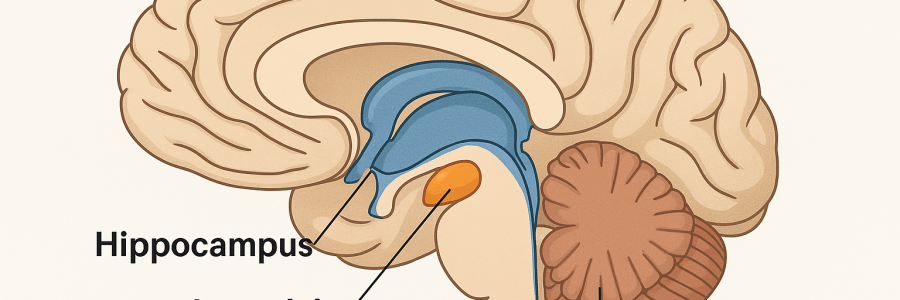
The Brain

Hippocampus The hippocampus is a curved, seahorse-shaped structure located in the medial temporal lobe of the brain, within the limbic system. It plays a critical role in memory formation, learning, and spatial navigation. The hippocampus is essential for converting short-term memories into long-term ones, allowing us to retain past experiences. It also helps us recognize environments and navigate through space. Damage… Read More The Brain


Silencing and Ignoring Abuse

Many famous historical figures have struggled with hidden depression, pain, and abuse while maintaining a public image of success, strength, or happiness. Here are some well-known individuals who endured immense personal suffering behind closed doors: 1. Robin Williams (1951–2014) Struggles: Severe depression, Lewy body dementia, and substance abuse. Public Persona: A comedic genius who brought joy to… Read More Silencing and Ignoring Abuse

How Trauma Causes Epigenetic Changes

How Trauma Causes Epigenetic Changes Epigenetic modifications occur through three primary mechanisms: Trauma adds or removes chemical tags (methyl groups) to DNA, affecting how genes are turned “on” or “off.” For example, studies show that childhood trauma increases methylation of the NR3C1 gene, which regulates the stress hormone cortisol. This results in an overactive stress response, making survivors more… Read More How Trauma Causes Epigenetic Changes

Chronic exposure to trauma

Chronic exposure to trauma activates the body’s stress response systems, leading to prolonged release of stress hormones like cortisol. This persistent activation can contribute to the development of various chronic conditions:​ Cardiovascular Disease: Long-term stress is associated with hypertension, atherosclerosis, and an increased risk of heart attacks and strokes.​ Diabetes: Elevated cortisol levels can impair insulin sensitivity, increasing… Read More Chronic exposure to trauma

How Trauma and Abuse Shorten Life Expectancy

Decades of trauma and abuse can have a significant impact on life expectancy, both physically and psychologically. Chronic stress, emotional abuse, and physical trauma don’t just affect mental health—they deeply influence the body, leading to long-term health consequences. How Trauma and Abuse Shorten Life Expectancy Heart disease – Chronic stress raises blood pressure, damages arteries, and increases the… Read More How Trauma and Abuse Shorten Life Expectancy

Life Span

The long-term effects of enduring 32 years of abuse and stress can be profound and far-reaching, impacting both physical and mental health, and potentially affecting one’s life span. Chronic abuse and stress, especially when sustained over decades, contribute to a host of health issues due to the constant activation of the body’s stress response, the… Read More Life Span

Protect Your Mental and Emotional Health

In situations where you’re dealing with manipulative individuals (often referred to as “flying monkeys” in abusive dynamics), it’s essential to handle any forms of hate mail or harassment with a strategic approach. Keeping these communications in the right hands—your lawyer and psychologist—can ensure that the situation is documented and that their tactics are properly understood before court. Here’s how you can… Read More Protect Your Mental and Emotional Health

How to Deal with a Meddler Operating in the Shadows

Oh, that’s next-level meddling—going behind the scenes, sending correspondence, and interfering in other people’s business. That kind of behavior is sneaky, manipulative, and can cause real damage if left unchecked. Whether they’re trying to sway opinions, spread misinformation, or push their own agenda, it’s a clear sign they don’t respect boundaries. How to Deal with… Read More How to Deal with a Meddler Operating in the Shadows