Anger Issue or Abuse? How to Tell the Crucial Difference

The post differentiates between individuals struggling with anger and those exhibiting abusive behavior. It emphasizes that genuine anger issues involve remorse and accountability, while abuse entails blame and manipulation. The message advocates for boundaries and consequences, stating that repeated anger is a deliberate choice, not a consequence of external factors.… Read More Anger Issue or Abuse? How to Tell the Crucial Difference
When Love Feels Unsafe: Recognising the Hidden Patterns of Abuse

Abuse often starts subtly, with minor behaviors that can escalate into harmful patterns impacting safety and mental health. Rooted in power and control rather than anger, it can manifest as emotional harm, intimidation, and physical aggression. Recognizing these patterns is crucial to prioritizing one’s wellbeing and fostering safe relationships.… Read More When Love Feels Unsafe: Recognising the Hidden Patterns of Abuse

Healthy Anger vs Abusive / Harmful Behaviour 

The content outlines the distinctions between healthy anger and abusive behavior across various dimensions, including emotional tone, verbal expression, and physical actions. Healthy anger is described as regulated and communicative, while abusive behavior is characterized as dysregulated and controlling. The key message emphasizes that healthy anger maintains boundaries, whereas abusive anger creates fear and safety risks.… Read More Healthy Anger vs Abusive / Harmful Behaviour 

Why the Period Around Separation Can Be the Most Dangerous

Survivors of domestic abuse often face heightened risks after leaving their relationship, as abuse can escalate during separation or legal disputes. Abusers may resort to intimidation, stalking, and manipulation to regain control. It’s crucial for survivors to take threats seriously and seek support to ensure their safety.… Read More Why the Period Around Separation Can Be the Most Dangerous

Anger After Divorce or Separation

Divorce often triggers intense emotions such as anger, grief, and resentment. Many experience a heightened emotional state, with feelings tied to past disappointments and current frustrations. Therapy can help individuals process these emotions, establish boundaries, and foster healthier relationships in the future. Healing is possible, transforming anger into emotional freedom.… Read More Anger After Divorce or Separation

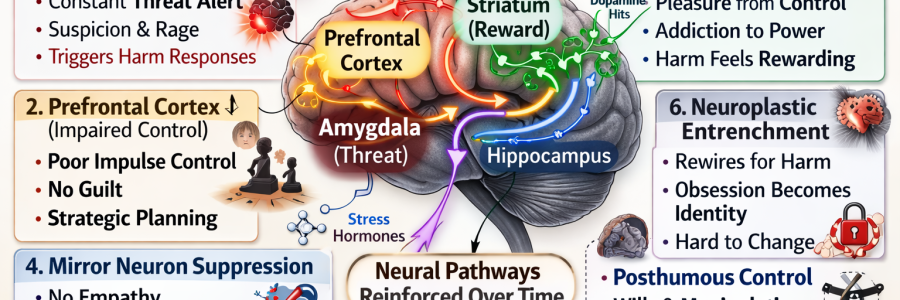
Power, Control and Intimidation: What Drives Abusive Behaviour?

What an abuser may experience psychologically while they are insulting, threatening or physically intimidating someone, there isn’t one universal emotional response. But certain patterns are commonly associated with abusive behaviour. One important distinction is that abuse isn’t necessarily about losing control. In many situations, intimidation is actually being used to gain control. And that leads to a… Read More Power, Control and Intimidation: What Drives Abusive Behaviour?

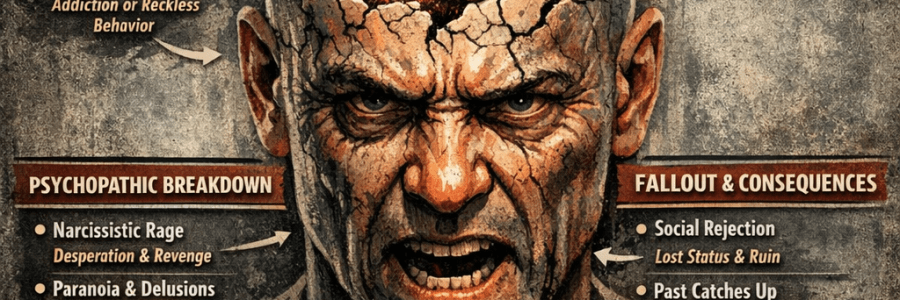
Mr Angry

When someone is in a constant state of anger, it often becomes evident not just in their words, but also in their physical appearance and overall demeanor. Anger can manifest through tense facial expressions, furrowed brows, clenched jaws, and tight lips. The muscles in their face may appear more rigid, and their eyes might seem intense, narrowed, or glaring. The body posture can also change, with shoulders hunched or the person standing or sitting with an air of defensiveness or aggression.… Read More Mr Angry