Personal Responsibility

Personal Responsibility: Every individual has agency and autonomy when it comes to their behavior and decision-making. While external factors such as medication may influence one’s mental state, ultimately, individuals are accountable for how they choose to act upon their thoughts and emotions. Blaming medication for illegal or immoral behavior undermines the concept of personal responsibility and diminishes the importance of individual agency.… Read More Personal Responsibility
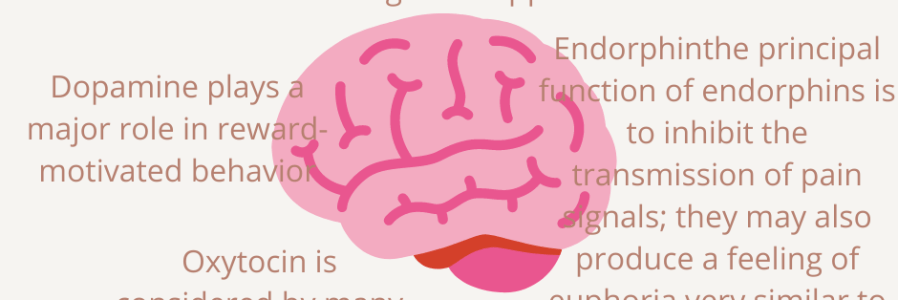

Brain Chemistry

Substance Abuse Disorders: Individuals who struggle with substance abuse disorders, such as addiction to drugs or alcohol, often experience profound changes in behavior and cognition. Chronic substance abuse can alter brain chemistry and impair executive functions, including those related to impulse control, decision-making, and empathy. As a result, individuals may engage in morally questionable behaviors without fully considering the consequences to others.… Read More Brain Chemistry

The Absence of Conscience

The Absence of Conscience: For some individuals, the absence of guilt and conscience can manifest as a disregard for the well-being of others. This may lead to behaviors characterized by selfishness, manipulation, or exploitation, as they prioritize their own interests without regard for the consequences to others. Without a moral compass to guide their actions, they may engage in harmful behaviors without experiencing the associated emotional repercussions.… Read More The Absence of Conscience

“Keeping Your Enemies Close: The Art of Strategic Engagement”

Understanding Motivations: The first step in keeping your enemies close is to understand their motivations and intentions. What drives their actions? What are their goals and objectives? By gaining insight into their mindset and agenda, you can anticipate their moves and formulate effective counter-strategies.… Read More “Keeping Your Enemies Close: The Art of Strategic Engagement”

Voluntary Organisations

One of the primary purposes of these organizations is to offer emotional support to families and relatives, who may experience feelings of shame, guilt, confusion, and isolation as a result of their association with someone involved in criminal activities. By providing a non-judgmental space where individuals can share their experiences and feelings, these organizations help alleviate the stigma and social isolation often faced by families in these circumstances.… Read More Voluntary Organisations

Use, Abuse then Accuse

As the relationship progresses, the dynamic shifts into the phase of “abuse.” Here, the exploitative behavior becomes more pronounced and harmful. The perpetrator begins to exert control over the victim, using tactics such as gaslighting, emotional blackmail, or verbal and physical aggression. The victim, trapped in a cycle of fear, guilt, and self-doubt, may find it increasingly difficult to break free from the abusive dynamic.… Read More Use, Abuse then Accuse

What is an accomplice?

The legal consequences of being an accomplice can vary depending on the jurisdiction and the specific circumstances of the crime. Generally, accomplices can be held criminally liable for the same offenses as the primary perpetrator, even if they did not directly commit the crime themselves. This means that they may face charges, prosecution, and potential punishment, such as fines or imprisonment, for their involvement in the criminal activity.… Read More What is an accomplice?