Paraphilic behaviors

Exhibitionism:
The act of exposing one’s genitals to unsuspecting strangers for sexual gratification. The individual derives arousal from the reaction of surprise, fear, or shock.

Voyeurism:
The practice of obtaining sexual pleasure from observing an unsuspecting person who is naked, undressing, or engaged in sexual activity. Consent is absent, making this behavior a violation of privacy.

Pedophilia:
A sexual preference or behavior involving prepubescent children, typically under the age of 13. This is illegal, harmful, and considered a significant societal and psychological concern.

Sexual Masochism:
Arousal derived from experiencing pain, humiliation, or bondage. This behavior becomes problematic when it causes harm or dysfunction or when it becomes compulsive.

Sexual Sadism:
Sexual arousal that stems from inflicting pain, humiliation, or suffering on another person. When performed consensually, it may fall under BDSM practices, but it is problematic if consent is absent.

Transvestic Fetishism:
Sexual arousal associated with wearing clothing traditionally associated with the opposite gender. It is typically seen in heterosexual men and is distinct from gender dysphoria or transgender identity.

Fetishism:
Sexual arousal focused on inanimate objects (e.g., shoes, underwear) or specific body parts not typically associated with sexual arousal (e.g., feet). It becomes diagnosable when it interferes with functioning or relationships.

Frotteurism:
Deriving sexual pleasure from touching or rubbing against a non-consenting individual, often in crowded places. This is non-consensual and constitutes sexual harassment or assault.… Read More Paraphilic behaviors

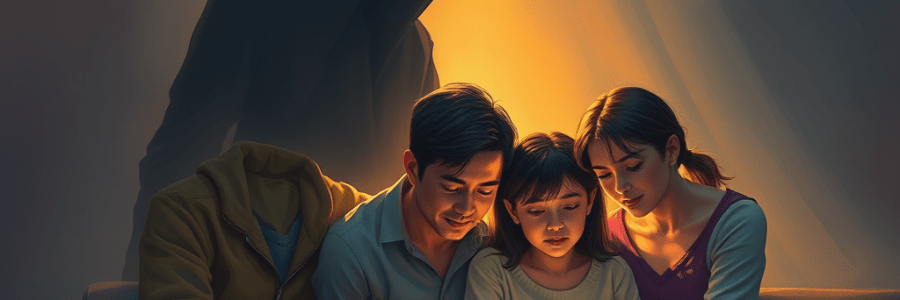
When Family Celebrations Are Overshadowed by Resentment: Unpacking Toxic Dynamics

Imagine connecting a backup drive to your computer and uncovering decades of hate-filled letters, all written by your spouse. These letters, targeting family members and tarnishing milestone events, paint a picture of deep-seated resentment. What should have been a celebration of life and love is reinterpreted as moments where someone worked to shift the spotlight onto themselves, fueled by bitterness rather than joy.

The discovery of such writings can feel like a betrayal—not just of the family but also of the trust you placed in your spouse. These revelations raise painful questions: Why would someone harbor so much resentment? What was their goal in behaving this way? Were the happy moments we shared even real?… Read More When Family Celebrations Are Overshadowed by Resentment: Unpacking Toxic Dynamics

Conditional Love

Imagine a parent or grandparent whose children and grandchildren rarely make the effort to spend time with them, except when a lavish event or a special outing is involved—perhaps something like a birthday celebration at a seaside chalet, funded by a generous spouse. For the parent, this can feel like a hollow victory. While the event itself might be memorable, the underlying realization—that the gathering happened because of what was provided, not because of who they are—can sting deeply.… Read More Conditional Love

The Rat

Your friends and family’s relief isn’t just about their dislike of him; it’s a testament to how much they care for you. They’ve been rooting for you all along, and now that you’re free, they can celebrate the return of the vibrant, independent person they’ve always known you to be. You’ve taken a powerful step, and the rest of your journey is yours to shape… Read More The Rat

The Power of Clarity After Stepping Away

Stepping away from a toxic relationship is like finally pulling your head above water—you realize just how long you’ve been drowning without fully understanding it. Toxic dynamics can cloud your perspective, distort reality, and make you normalize behaviors that are anything but normal.

When you’re in the thick of it, you might brush off or justify cruelty, manipulation, or sadistic tendencies because you’re trying to make the relationship work. You’re caught in a cycle of hope and despair, constantly believing things will get better or that the person will change. It’s only when you create distance—physically, emotionally, or both—that you can see the situation for what it truly was: unhealthy and damaging.… Read More The Power of Clarity After Stepping Away

Toxic Free Christmas

You deserve a safe and loving environment to celebrate your special moments, and it’s important to remember that you are not obligated to tolerate toxic behavior during these times. You have the power to create an atmosphere that is aligned with your values and emotional needs. Stay true to yourself and embrace the space you need to heal and enjoy a peaceful holiday season.… Read More Toxic Free Christmas