The Birth of Refuge: How One House Changed Everything

In the early 1970s, domestic violence was not recognised by law or society as a crime. It was considered a “private matter.” Women like Jenny had nowhere to go. Police often refused to intervene, and families urged women to “go back home.” But in 1971, one woman — Erin Pizzey — decided that silence was no longer… Read More The Birth of Refuge: How One House Changed Everything

When an Abuser Stops Taking Medication for Psychosis or Anger Issues

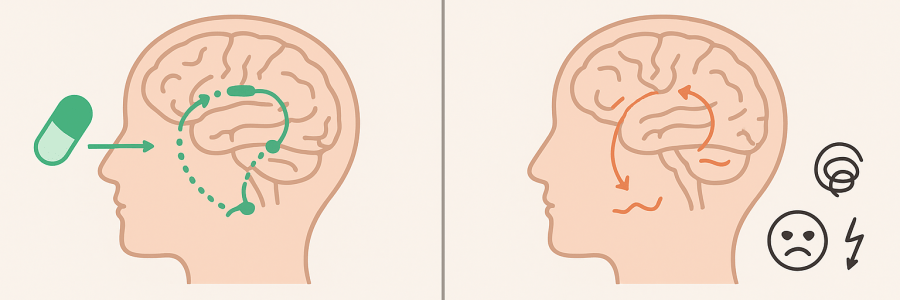
Neuroscience & Psychology Insights Medications for psychosis (antipsychotics) stabilize dopamine and serotonin pathways. Stopping suddenly → neurotransmitter imbalance → spikes in paranoia, irritability, or aggression. Prefrontal cortex regulates judgment and self-control. Medication withdrawal can reduce prefrontal cortex function → harder to resist violent or risky impulses. Amygdala becomes hyperactive → heightened fear, rage, or emotional… Read More When an Abuser Stops Taking Medication for Psychosis or Anger Issues

Detecting Hidden Violent Tendencies: What Psychologists Look For

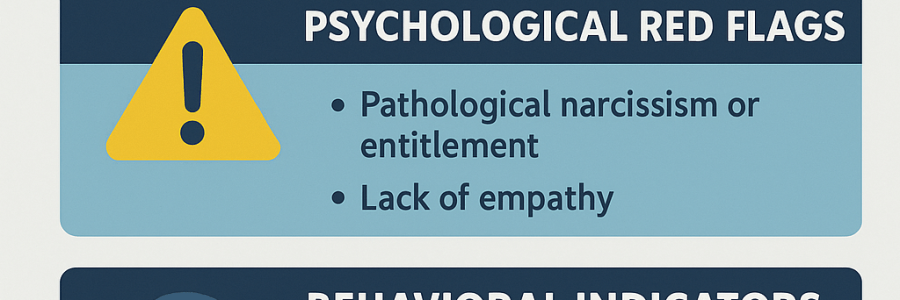
Even when someone seems calm in public, experts can spot warning signs behind closed doors. These signs are subtle and often show up in behavior, speech, or even social media activity. 1. Neuroscience Clues Amygdala hyperactivity: The amygdala regulates fear and aggression. Overactivity can make a person more prone to impulsive aggression. Prefrontal cortex dysfunction: This brain area… Read More Detecting Hidden Violent Tendencies: What Psychologists Look For

Medication Stabilizes Behavior

When an abuser has a history of violence and is off their prescribed medication (especially for psychiatric or mood disorders), it significantly increases the risk of aggression and impulsive behavior. Here’s why and what to do: Why It’s Dangerous Many psychiatric medications (for mood disorders, psychosis, or personality disorders) help control impulses, anger, and violent tendencies. Stopping… Read More Medication Stabilizes Behavior

Step by Step Guide

Here’s a step-by-step guide for safely reporting someone with violent fantasies and a history of abuse in the UK and Europe, including what authorities need to know: Step 1: Assess Immediate Danger UK: 999 Europe (general): 112 Stay safe—do not confront the person directly. Move to Step 2. Step 2: Document What You Know Authorities need clear, factual information: Exact… Read More Step by Step Guide

Serious warning signs

The intersection of psychology, neuroscience, and criminal behavior—specifically, when violent fantasies escalate beyond intimate or marital relationships and begin targeting others. Here’s a breakdown: 1. Psychological Basis Escalating Fantasies: Many abusers may start with controlling or violent thoughts aimed at their partner. When these fantasies expand to others, it often reflects deep-seated aggression, lack of empathy, and antisocial tendencies.… Read More Serious warning signs

When an Abuser Takes Pleasure in Your Pain: The Neuroscience Behind Emotional Sadism

Some individuals derive satisfaction from inflicting emotional or psychological pain. This behavior, often called emotional or psychological sadism, is more than just cruelty—it’s rooted in specific patterns of brain activity and psychological traits. Understanding the neuroscience can help victims recognize the danger and reclaim their power. 1. Reward Pathways and Pleasure from Pain Research shows that in… Read More When an Abuser Takes Pleasure in Your Pain: The Neuroscience Behind Emotional Sadism

🧠 Why Danger Escalates After Leaving

The period after leaving an abusive partner is often the most dangerous, and neuroscience helps explain why. Here’s a detailed guide on warning signs, brain-based responses, and why they shouldn’t be ignored, even when law enforcement is involved. 🧠 Why Danger Escalates After Leaving When a victim leaves, the abuser experiences it as a loss of control — literally a threat… Read More 🧠 Why Danger Escalates After Leaving

🧠 The Pathological Fusion of Love and Control

Understanding the Neuroscience of Possessive Abuse At first glance, people who commit intimate-partner violence often claim they acted out of love — that they “couldn’t bear to lose” their partner. But psychologists and neuroscientists know that what drives them isn’t love; it’s a pathological fusion of attachment and control — a wiring error deep within the emotional… Read More 🧠 The Pathological Fusion of Love and Control