1. Reports as Objective Evidence

Legal and professional reports (police, MARAC, VIOGEN, restraining orders, medical documentation) are created to record factual, verifiable information. They capture patterns of abuse, threats, stalking, or property damage, which are not subjective opinions. Unlike anecdotal family impressions or minimizing comments, reports reflect documented risk and are used to inform protective measures. 2. Why Reports Exist To protect victims: Authorities use them to… Read More 1. Reports as Objective Evidence

Minimization and Denial by Family Members

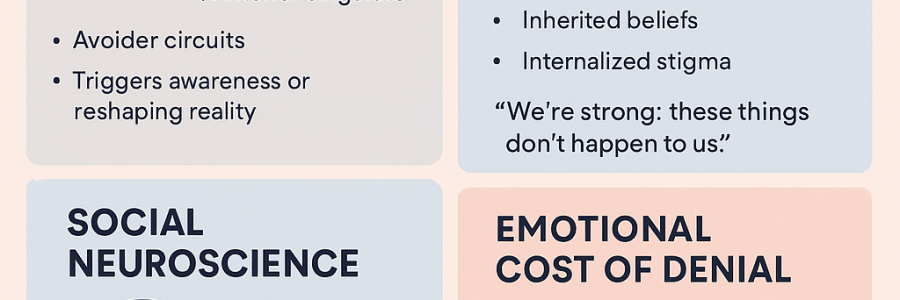
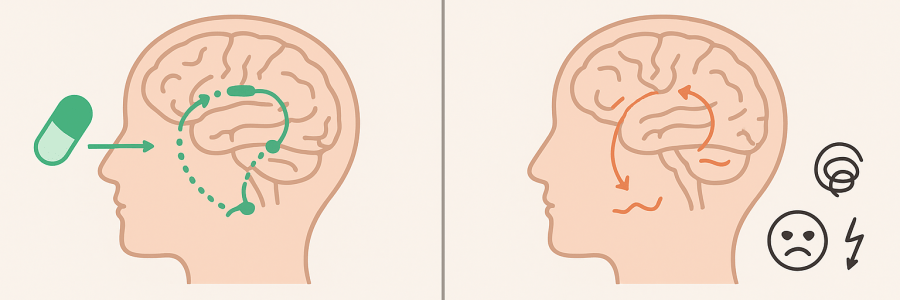
Common psychological phenomenon in families of abuse survivors, and it has both neuroscientific and social-psychological dimensions. Here’s a clear breakdown: 1. Minimization and Denial by Family Members Minimization: Family members may downplay the risk to avoid acknowledging the severity of the abuse. Denial: They may unconsciously refuse to accept that the abuser is capable of serious harm because it conflicts with… Read More Minimization and Denial by Family Members

VIOGEN: Domestic Violence Risk Assessment System in Spain

In Spain, the system roughly equivalent to the UK’s DASH risk assessment is called VIOGEN (“Sistema de Seguimiento Integral en los casos de Violencia de Género” – Integral Monitoring System for Gender Violence). It is managed by the Spanish Ministry of the Interior and coordinated with police, courts, and social services. 1. Purpose of VIOGEN Identify victims of gender-based violence who are at risk… Read More VIOGEN: Domestic Violence Risk Assessment System in Spain

Understanding High DASH Scores and MARAC High-Risk Classification

1. What the Scores Indicate DASH has 27 questions covering physical, emotional, sexual abuse, harassment, stalking, threats, and children’s exposure to abuse. Answering “Yes” to 21 items indicates multiple, serious risk factors are present. Suggests: frequent abuse, threats to life, potential for escalation, and significant danger to the victim. MARAC classifies victims based on DASH and other… Read More Understanding High DASH Scores and MARAC High-Risk Classification

DASH Risk Assessment in the UK

The DASH (Domestic Abuse, Stalking, and Honour-Based Violence) Risk Identification Checklist is a standardized tool used by UK police, social services, and other agencies to assess the risk of serious harm to victims of domestic abuse. It helps professionals decide what level of intervention and protective measures are needed. 1. Purpose of the DASH Risk Assessment Identify victims at high risk of… Read More DASH Risk Assessment in the UK

Risk Assessment in Domestic Violence Cases in Spain

When authorities evaluate whether a survivor is at high risk, they use standardized tools to measure the likelihood of serious harm, repeated abuse, or escalation. Two commonly used tools are: 1. VPR – Valoración de Riesgo Policial (Police Risk Assessment) Purpose: Used by police officers to assess the immediate risk to victims of domestic violence. Application: Conducted at the… Read More Risk Assessment in Domestic Violence Cases in Spain

Police and Court Monitoring in High-Risk Domestic Violence Cases (Spain)

When a domestic violence survivor is considered high-risk, Spanish law allows courts and police to impose enhanced monitoring measures to prevent further abuse and ensure safety. These measures go beyond standard restraining orders. 1. Risk Assessment History of repeated abuse or threats Violations of restraining orders Stalking or harassment Access to weapons or evidence of severe threats Psychological… Read More Police and Court Monitoring in High-Risk Domestic Violence Cases (Spain)

Protective Measures After Divorce & in Domestic Violence Cases (Medidas Cautelares)

Even after a divorce, survivors of abuse may require ongoing protection. Spanish law provides temporary legal tools to ensure safety, protect children, and prevent harassment. 1. Restraining Orders (Orden de Protección) Prohibits the abuser from contacting or approaching you. Can include restrictions on visiting your home, workplace, or children. Violations are criminal offenses and can lead… Read More Protective Measures After Divorce & in Domestic Violence Cases (Medidas Cautelares)

Protective Measures (Medidas Cautelares) in Spain

Protective measures are temporary legal actions designed to ensure the safety of victims and their children while legal proceedings, including divorce or criminal cases, are ongoing. These are often granted by the Juzgado de Violencia sobre la Mujer (Domestic Violence Court). 1. Types of Protective Measures a) Restraining Orders (Orden de Protección) Prohibits the abuser from contacting or approaching the victim.… Read More Protective Measures (Medidas Cautelares) in Spain

Protecting Yourself After Divorce: A Survivor’s Guide

Even after the divorce is finalized, safety, boundaries, and emotional wellbeing remain top priorities. Survivors of abuse often face ongoing harassment, stalking, or attempts to manipulate outcomes. 1. Legal Protections Maintain restraining orders: Keep copies with you and update the court if the abuser breaches them. Enforce custody arrangements: Only allow contact under court-approved terms.… Read More Protecting Yourself After Divorce: A Survivor’s Guide