A New Year

A strong start to the new year — time with family, holidays, work, and viewing houses. Things are moving forward in a positive, steady way, and I’m focused on maintaining the peace and stability I’ve built.
A strong start to the new year — time with family, holidays, work, and viewing houses. Things are moving forward in a positive, steady way, and I’m focused on maintaining the peace and stability I’ve built.

Cognitive dissonance occurs when reality clashes with a person’s self-image. Most abusers hold an internal narrative such as: I’m the victim I’m justified I’m misunderstood I had no choice Your calm, factual truth introduces a competing reality without emotion. That’s the key. Anger can be dismissed.Calm facts cannot. Neuroscience shows that when dissonance cannot be resolved… Read More Calm truth creates cognitive dissonance they cannot tolerate

1. Anger keeps the abuser in control of the nervous-system dance Abusers are neurologically accustomed to high arousal states: Conflict triggers adrenaline and dopamine Anger signals engagement, reactivity, and emotional access It confirms: “I can still affect you” From a brain perspective, anger keeps both people in the same threat loop.The abuser knows this terrain well — they… Read More Why calm truth destabilises abusers more than anger
There was never anyone else.I returned from holiday with my family — my children and grandchildren. Nothing more, nothing hidden. The idea of a “mystery man” was a story used to discredit me. In reality, he had another partner while using my hard-earned money and restricting my access to my own finances. For decades, I… Read More Calm truth
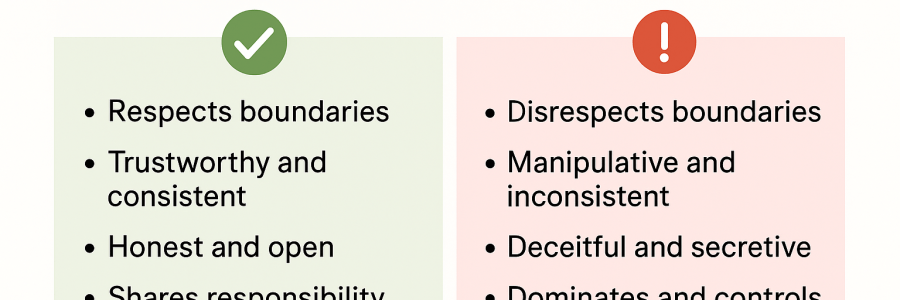
1. From survival mode to safety mode For decades, your brain and body were likely dominated by the threat system: Chronic adrenaline (epinephrine) and cortisol Hypervigilance: always scanning for the next outburst A nervous system locked in sympathetic overdrive (fight/flight) Neuroscience shows that long-term emotional abuse keeps the amygdala (threat detector) overactive, while the prefrontal cortex (reasoning, reflection, calm decision-making) gets suppressed.… Read More From survival mode to safety mode

Back from a long, sun-soaked family break in the Caribbean ☀️🌴 Feeling relaxed, grateful, and fully in my own lane. So happy to be living life on my terms, enjoying my dog, and looking forward to owning my own home soon. Here’s to freedom, joy, and the journey ahead! 💛 #Grateful #LivingMyLife #FreedomVibes”**

Putting yourself first after disengaging from someone who is dumping distressing information is essential for nervous system recovery. Here’s a structured, neuroscience- and psychology-informed plan for grounding and stabilizing yourself in the days immediately after: 1. Immediate nervous system reset 🔹 Deep breathing Try box breathing: inhale 4 sec → hold 4 sec → exhale 6 sec → hold… Read More Immediate nervous system reset

🧠 1. Your brain did not consent to this role Unsolicited disclosure recruits your nervous system without permission. Neuroscience: The amygdala cannot distinguish between chosen and imposed threat. Repeated contact keeps your stress system activated. Blocking stops ongoing threat signalling. You are closing an open stress loop. 🧠 2. Ongoing contact creates “false responsibility” Psychology shows that once contact continues, the… Read More Why blocking and stopping contact protects your sanity (neuroscience & psychology)
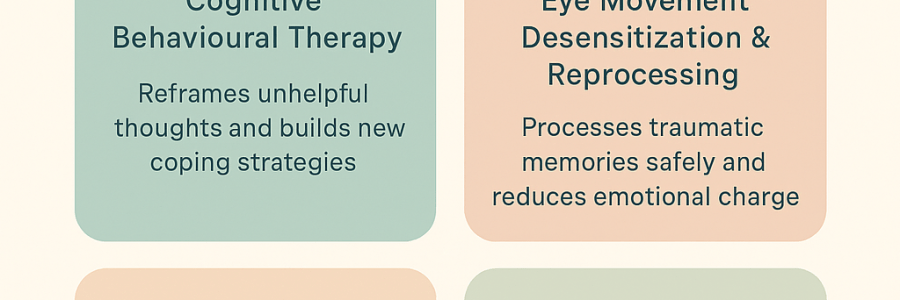
Passing the information to your psychologist and discussing it is generally a very safe and effective choice, from both psychology and neuroscience perspectives, because it allows you to process the material without carrying it alone, and it protects your nervous system. Here’s the reasoning: 1. Psychologists are trained containers for trauma Unlike family or acquaintances, psychologists provide… Read More Practical and safe approach

1. Families are not neutral containers Psychology shows that families are emotionally invested systems, not objective recipients of information. Common outcomes: Denial Minimisation Defensive loyalty Blame-shifting Retaliation (direct or indirect) Neuroscience: Family identity activates threat and loyalty circuits in the brain. The prefrontal cortex (reasoning) is often overridden by ingroup protection. This means facts are rarely processed rationally. 2. You become… Read More Why you should NOT pass details to their family

