1. What is the “Intelligence of the Heart”?
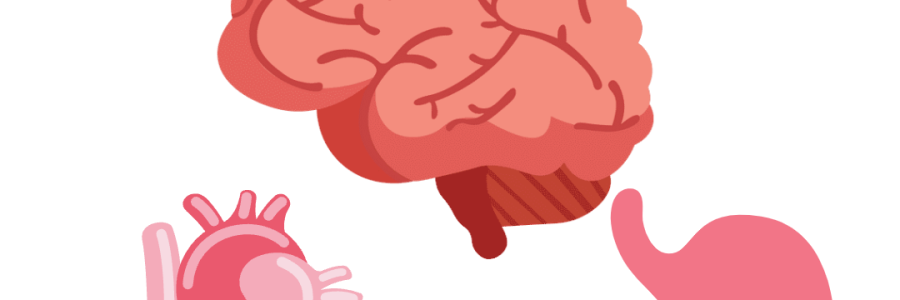
The term comes from heart–brain science, polyvagal theory, and biofeedback research. It refers to the heart’s ability to sense, respond, and influence physiological, emotional, and cognitive states. Physiological intelligence: The heart communicates continuously with the brain via vagus nerve signals, baroreceptors, and hormonal feedback loops. Emotional intelligence: Heart-focused attention can enhance self-awareness, emotional regulation, and resilience. Behavioral intelligence: Cultivating heart coherence supports decision-making,… Read More 1. What is the “Intelligence of the Heart”?
The Neurophysiology of Trauma

Trauma is not just psychological—it physically changes the brain and body. Key Brain Structures Involved Structure Role in Trauma Amygdala Detects threats; hyperactive in trauma → fear, hypervigilance, emotional reactivity Hippocampus Contextualizes memories; trauma can reduce volume → fragmented, intrusive memories Prefrontal Cortex (PFC) Executive function, emotional regulation; trauma → impaired top-down control Anterior Cingulate Cortex… Read More The Neurophysiology of Trauma

HRV Biofeedback Cheat Sheet for Self-Regulation

1. Tools You’ll Need Tool Purpose Tips Chest strap HR monitor (Polar H10, Wahoo, Garmin) Most accurate HRV measurement Comfortable, wear snug but not tight Smartwatch or ring (Apple Watch, Oura, Garmin) Convenient HRV tracking Best for daily trends, not precise metrics HRV Biofeedback app (Elite HRV, Inner Balance, HeartMath, Kubios) Real-time feedback & guided… Read More HRV Biofeedback Cheat Sheet for Self-Regulation

What Is Trauma‑Informed Care?

At its core, trauma‑informed care (TIC) means understanding how trauma affects a person’s brain, body, behaviour, and relationships — and using that understanding to shape how support is offered. Instead of asking: “What’s wrong with you?”A trauma‑informed approach asks:“What happened to you, and how can we help you feel safe?” This shift changes how people are seen,… Read More What Is Trauma‑Informed Care?

Top Trauma Healing Books to Explore

The Body Keeps the Score: Brain, Mind, and Body in the Healing of Trauma — Bessel van der Kolk, M.D.A seminal modern classic explaining how trauma is stored in the nervous system and body — and how healing can happen through somatic/therapeutic approaches.  Waking the Tiger: Healing Trauma — Peter A. LevineIntroduces somatic experiencing — a body‑focused… Read More Top Trauma Healing Books to Explore

Having a rewire today.

Current status: Default setting: trauma + overthinking New setting: calm, slightly badass, surprisingly resilient Side effects may include: Making better choices Laughing at old nonsense Realizing coffee is still life’s greatest ally ETA: full upgrade takes a few weeks, but the glitchy charm version is still active.#BrainRewire #HealingJourney #SelfUpgrade #FunnyButTrue

Trauma, Healing, and the Brain: Why Your Choices Change

When you experience trauma, your brain doesn’t just “feel bad.” Neuroscience shows that trauma can disrupt the prefrontal cortex — the part of your brain responsible for rational thinking, decision-making, and impulse control — and heighten the amygdala, the fear and threat center. This combination makes you more likely to react on instinct, fear, or old patterns, rather… Read More Trauma, Healing, and the Brain: Why Your Choices Change