Decent Human Behaviour vs Harmful Behaviour Patterns
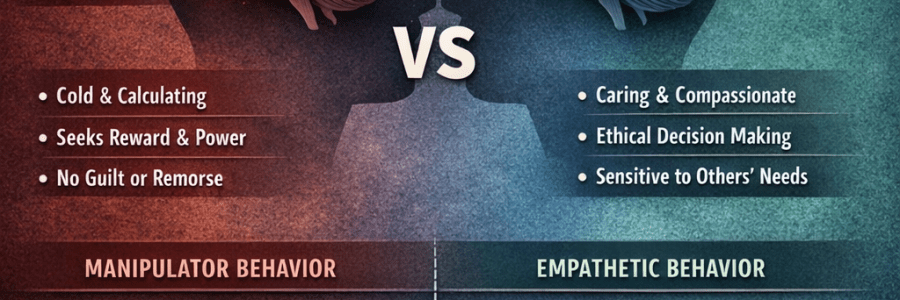
Healthy / “Decent” Patterns Harmful / Dysfunctional Patterns Respects boundaries Ignores, pushes, or tests boundaries Shows empathy and consideration Lacks empathy or dismisses others’ feelings Takes accountability Blames others, avoids responsibility Communicates honestly Manipulates, withholds truth, or distorts reality Acts fairly in relationships Is transactional, exploitative, or one-sided Cares without conditions Shows care only when… Read More Decent Human Behaviour vs Harmful Behaviour Patterns

A decent human being

A decent human being is generally understood as someone who consistently behaves in ways that preserve dignity, safety, and fairness for themselves and others — especially when there is no personal gain or when it’s inconvenient. In practical psychological terms, it tends to include: 1. Basic respect for others Treating people as inherently worthy of consideration Not… Read More A decent human being

You can’t re-engineer someone!

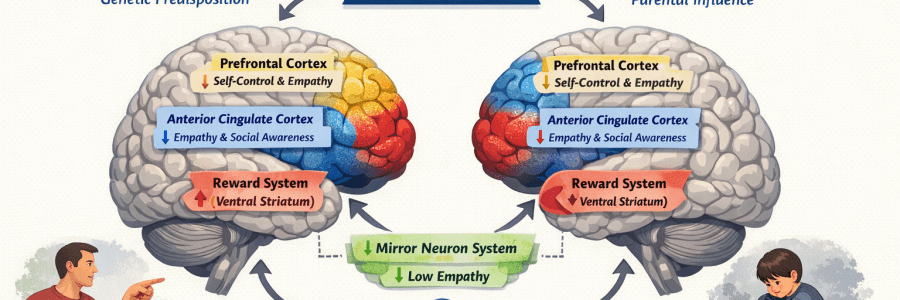
It isn’t your job to fix, rescue, or fundamentally rewire another adult’s personality. Neuroscience and psychology are quite clear on that. Core traits like empathy levels, attachment style patterns, emotional regulation habits, and relational “defaults” are shaped over years of development and repeated reinforcement — not corrected through a partner’s effort alone. In other words: you can influence, but… Read More You can’t re-engineer someone!

“If I stay, there will be trouble…If I go, there will be double…”

There’s a point where it stops being “just how they are”and starts becoming how your life feels every single day. When everything is transactional…“How does this benefit me?”“What do I get out of this?”No depth, no warmth, no real emotional exchange — just deals, not connection. And yes, you can understand it.You can even have compassion… Read More “If I stay, there will be trouble…If I go, there will be double…”

Write the list.

Not in your head. Not what you meant to do. What you’ve actually done. Because helping doesn’t stop at 18 — it just changes form. Write a list of what you’ve given, with nothing expected in return: Times you helped simply because they needed it Moments you showed up without being asked Support you offered without keeping… Read More Write the list.

When was the last time you made their life easier — not just expected them to make time for you?

Because support isn’t just big gestures. It’s the small, consistent things that say: I see your load, and I’m willing to share it. So yes — beyond babysitting or taking the grandchildren for a few days, it also looks like: Dropping off a cooked meal when you know they’re stretched Saying “leave it, I’ll sort it”… Read More When was the last time you made their life easier — not just expected them to make time for you?

Consistent behaviour creates consistent outcomes.

If, over the years, the dynamic has been: transactional rather than supportive distant rather than involved critical rather than encouraging …then later in life, that dynamic often continues — just in reverse. So yes, it’s worth asking: When was the last time you: Offered help without being asked? Took pressure off instead of adding to… Read More Consistent behaviour creates consistent outcomes.

Because behaviour follows patterns

When an adult child seems distant, transactional, or only interested when there’s something to gain, psychology doesn’t jump straight to “they’re selfish.” It looks at what was reinforced over time. Because behaviour follows patterns like: Attachment (how safe or valued they felt growing up) Modelling (what they saw relationships look like) Reinforcement (what got rewarded vs ignored) If a… Read More Because behaviour follows patterns

It doesn’t disappear, it circles back.

It doesn’t disappear, it circles back. When children aren’t taught to act with integrity in the hard, uncomfortable, unrewarded moments, they don’t suddenly develop that capacity later. They carry the same pattern forward — and eventually, it shows up in the relationships closest to them. That’s when it bites. Because the child who learned: “I only… Read More It doesn’t disappear, it circles back.

Be nice when it benefits you

When behaviour becomes conditional —“be nice when it benefits you,”“be respectful when there’s authority,”“be kind when it’s easy” — what gets built isn’t character, it’s calculation. And psychology explains why. Children are highly sensitive to reinforcement patterns. If they learn that kindness earns praise, but only in visible or rewarded situations, they start to link behaviour with… Read More Be nice when it benefits you