Why We’re Drawn to the “Wrong” Person
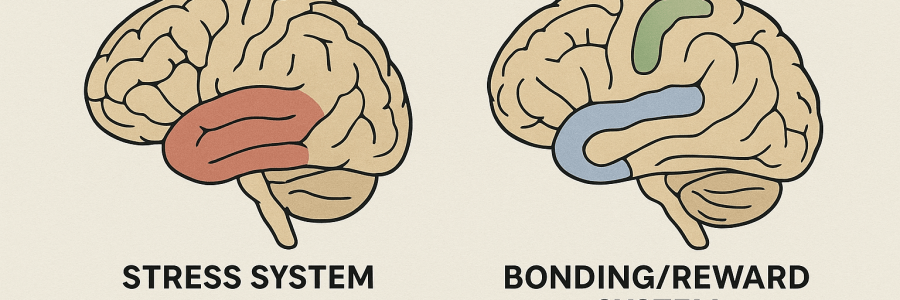
Ever met someone who looks all wrong on paper—yet you feel an instant pull? That’s not just “chemistry.” It’s neuroscience and psychology at work. 🧠 Neuroscience: Attraction lights up the brain’s reward system (dopamine pathways), creating a rush that can override logic. Familiar patterns—even unhealthy ones—activate a sense of “recognition,” which the brain often mistakes for safety. Stress hormones… Read More Why We’re Drawn to the “Wrong” Person

Find Your Crowd: The Neuroscience of Surrounding Yourself with the Right People

Human beings are wired for connection. From a neuroscience perspective, our brains are social organs—constantly shaped and reshaped by the people around us. The company we keep doesn’t just influence our mood in the moment; it has lasting effects on how our brains process stress, motivation, and even self-worth. The Brain’s Social Wiring Neuroscience research… Read More Find Your Crowd: The Neuroscience of Surrounding Yourself with the Right People

Lifetime Abuse: The Toll on the Abuser

1. Neuroscience: The Brain in a Constant State of Threat and Control Reward circuitry: Abusers often derive a sense of power or relief from controlling others. Over time, the brain’s reward pathways (dopamine-driven systems) can become conditioned to seek dominance, almost like an addiction. This makes abusive behavior more automatic and harder to change. Stress systems: Abusers live… Read More Lifetime Abuse: The Toll on the Abuser

Sexual Orientation

Admitting one’s sexual orientation—such as finally acknowledging being gay—doesn’t automatically change abusive behavior patterns. Abuse is not caused by orientation, but by the underlying dynamics of control, entitlement, insecurity, and emotional regulation. If the abuser’s violence is rooted in internalized shame or denial of their sexuality, then coming out may reduce some of that inner conflict.… Read More Sexual Orientation

The Connection Between Rejection and Domestic Abuse

Rejection is a powerful emotional experience that touches some of the most primitive regions of the brain. Neuroscience research shows that the brain processes rejection in a similar way to physical pain—the anterior cingulate cortex, the same region activated when the body experiences physical injury, also lights up during experiences of social rejection. This overlap… Read More The Connection Between Rejection and Domestic Abuse

Am I ready?

Some people jump from one partner to another, chasing that perfect “one.” They treat relationships like stepping stones—temporary stops until something better comes along. But here’s the thing: using people as placeholders isn’t love, it’s avoidance. It’s running from yourself, from growth, from the hard truth that no partner can fix the emptiness you refuse… Read More Am I ready?

Self respect

✨ Never lose your self-respect chasing someone or something that isn’t right for you.If it costs you your dignity, your peace, or your worth, the price is far too high. You deserve more.More love.More honesty.More respect.More peace. Stop running after people who can’t or won’t see your value. The right one won’t need to be… Read More Self respect

Safety

What a Real Relationship Should Feel Like ❤️✨ At its core, a healthy relationship is not about drama, confusion, or constant second-guessing.It’s about peace, respect, and mutual care. A real relationship should feel like: Safety — knowing you can be yourself without fear of judgment or punishment. Trust — no games, no secrets, no hidden agendas. Ease — you… Read More Safety