🧠 Neuroscience of Recovery After Abuse & Separation
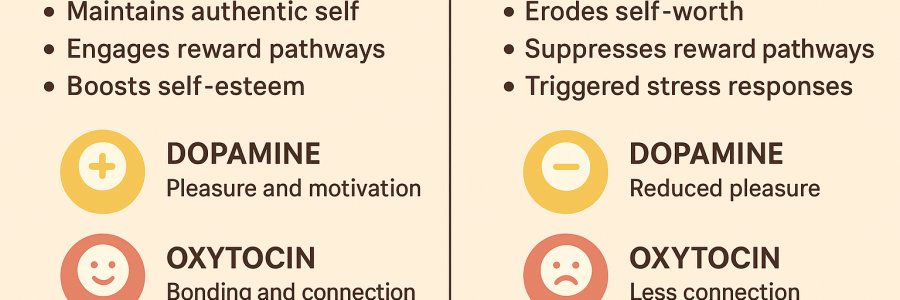
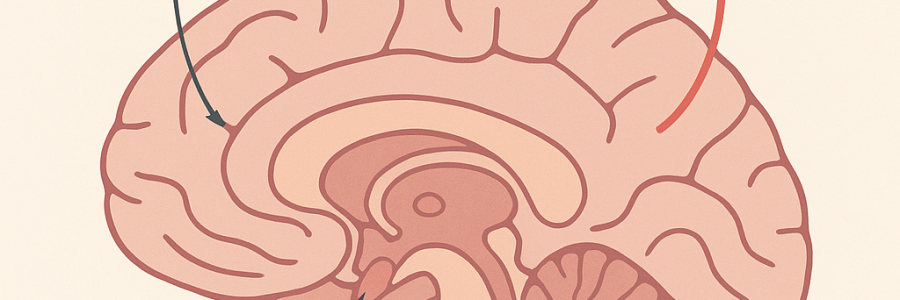
1. Brain Stress Systems (Damage Phase) Cortisol Flooding: Abuse or betrayal keeps the brain in “threat mode,” with the amygdala hyperactive and cortisol/adrenaline spiking. Prefrontal Shutdown: Logical thinking, planning, and self-control weaken — the brain prioritizes survival. Reward System Hijack: Dopamine drops, making it harder to feel motivated, and oxytocin bonds (even unhealthy ones) create withdrawal-like symptoms when the… Read More 🧠 Neuroscience of Recovery After Abuse & Separation

🧠 Neuroscience of the Con Artist & Catfisher

1. Trust Wiring Exploited Oxytocin: Normally helps you feel bonded and safe.→ Con artists/catfishers trigger this by mirroring your emotions, showing “care,” or creating intimacy fast. Once oxytocin is flowing, the brain suppresses suspicion circuits (in the amygdala), making you overlook red flags. 2. Reward & Anticipation Dopamine surges when they dangle promises — love, money, opportunity, or belonging. The… Read More 🧠 Neuroscience of the Con Artist & Catfisher

Bottom Line

Humans don’t just like connection — our brains and bodies are wired to need it. When a partner is consistently unavailable (mentally or physically), it activates stress systems instead of bonding systems. 🧠 Neuroscience Attachment & Safety (Oxytocin & Dopamine):Being with a responsive partner normally boosts oxytocin and dopamine, giving feelings of safety, reward, and calm. If your partner… Read More Bottom Line

Psychological Perspective

At six months, many people are in a developing attachment phase (often forming a secure or anxious bond). A sudden departure without explanation can trigger abandonment fears, especially if you tend toward anxious attachment. Thoughts like “Did I do something wrong?” or “Do they not care?” are common. Your brain craves closure. When someone leaves without explanation, it… Read More Psychological Perspective

Genuine Partner vs. Fortune Hunter

Category Genuine Partner Fortune Hunter Examples Primary Motivation Emotional connection, shared values, love, support Financial gain, status, luxury lifestyle Genuine: invests time in meaningful conversation; Fortune Hunter: only engages when lavish gifts, trips, or status benefits are involved Behavior Toward You Respects boundaries, listens, supports growth Pushes for access to assets, pressures lifestyle upgrades Genuine:… Read More Genuine Partner vs. Fortune Hunter

Aligned Lifestyle vs. Compromised Lifestyle

Aspect Aligned Lifestyle Compromised Lifestyle Values & Self-Respect Honors personal standards, self-worth intact Settling for less than your standards, self-respect compromised Luxury & Comfort Enjoys fine dining, luxury travel, high-quality clothing, elegant surroundings Sacrifices comfort, downgraded experiences, everyday compromises Relationships Chooses partners/friends who respect and elevate you Tolerates manipulation, dishonesty, or low effort in relationships… Read More Aligned Lifestyle vs. Compromised Lifestyle

Red Flags

Purpose: Spot damaging patterns in relationships quickly. Emotional manipulation cues Consistency vs. unpredictability Hidden agendas or lack of transparency Growth vs. Damage Checklist Purpose: Decide if a relationship is nourishing or harmful. Brain chemicals involved: dopamine, oxytocin, cortisol Emotional signals (trust, safety, excitement, anxiety) Behavioral patterns (support, sabotage, generosity, selfishness) Aligned Lifestyle vs. Compromised Lifestyle Shows lifestyle… Read More Red Flags

✅ “Am I in Growth or in Damage?” Checklist

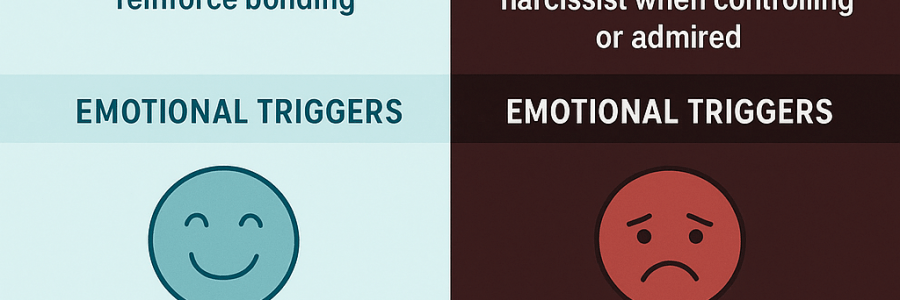
1. Trust & Honesty Growth: I feel I can rely on their words; transparency builds calm.🧠 Prefrontal cortex relaxes, lowering stress hormones. Damage: I catch lies, omissions, or half-truths; I feel misled.🧠 Cortisol spikes, amygdala hyper-activates → constant vigilance. 2. Consistency of Behavior Growth: Apologies are followed by lasting behavior change.🧠 Neuroplasticity → repeated positive actions form new pathways. Damage: Same red flags repeat… Read More ✅ “Am I in Growth or in Damage?” Checklist

🧠 Why deciding is so difficult

Investment trap (sunk cost fallacy): Your brain resists walking away after years or decades because it feels like all the time, love, and effort will be “wasted.” Bonding chemicals: Oxytocin and dopamine keep you emotionally tied, even when trust is broken. The brain clings to memories of “the good times” rather than the current reality. Cognitive dissonance: Part… Read More 🧠 Why deciding is so difficult