Why the “Cold Switch” Happens
The “cold switch” is the sudden transition from emotionally reactive behaviour to calculated detachment. Key factors: Self-protection: Shutting down emotions to avoid vulnerability or perceived loss of control. Anger escalation: Emotional intensity overwhelms natural restraint, flipping to detachment. Survival strategy: Past trauma can trigger dissociation or emotional numbing. Power reinforcement: Observing the impact of their behaviour can reinforce the… Read More Why the “Cold Switch” Happens
Comparison Chart: Sociopathic Abuse vs Psychopathic Abuse

Feature Sociopathic Abuse Psychopathic Abuse Emotional regulation High intensity but inconsistent Flat or absent emotions Impulsivity Often impulsive; erupts quickly Calculated and deliberate Remorse Sometimes feels guilt or shame Rare or absent Manipulation Emotional, reactive, chaotic Strategic, cold, premeditated Attachment Can form attachments Often shallow or non-existent Rage Explosive but finite Controlled, can escalate slowly… Read More Comparison Chart: Sociopathic Abuse vs Psychopathic Abuse

Survivor’s Guide: Recognising Psychopathic-Style Escalation

When a sociopathic partner escalates into psychopathic-style behaviour, the shift can be sudden or gradual. Recognising it early can help you protect yourself. Signs to watch for: Emotional flattening: Their eyes go cold, face becomes expressionless, voice flat. Calculated cruelty: Words or actions are chosen to hurt, manipulate, or control. Zero accountability: They deny responsibility for harm, even… Read More Survivor’s Guide: Recognising Psychopathic-Style Escalation

Sociopathy vs Psychopathy:

Understanding the Crossover 1. Both fall under the same umbrella: Antisocial Personality Disorder (ASPD) Think of ASPD as the wider category.“Sociopathy” and “psychopathy” are subtypes or patterns within it. So yes — they can look similar.But they develop differently and behave differently. 2. The Key Difference: Sociopathy = emotional dysregulation.Psychopathy = emotional disconnection.** Sociopathy usually involves: intense emotions anger outbursts… Read More Sociopathy vs Psychopathy:

Why Someone Would Choose to Love or Stay With a Known, Diagnosed Sociopath

1. Sociopathy is not always abusive A diagnosis is not a destiny.Many sociopathic individuals can be: stable loyal consistent protective charismatic highly supportive People stay because the relationship is not always bad — sometimes it’s genuinely functional. 2. Sociopaths can be incredibly charming and compelling Their strengths often include: charisma confidence directness emotional steadiness intelligence boldness presence… Read More Why Someone Would Choose to Love or Stay With a Known, Diagnosed Sociopath

Early Warning Signs:

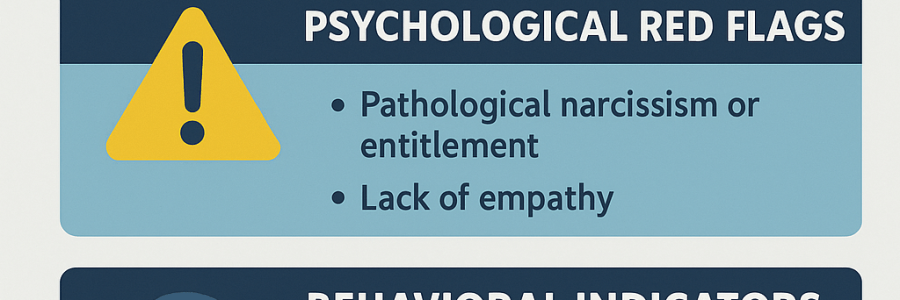
“How to Spot Sociopathy Turning Towards Anger or Abuse”** These signs don’t mean someone is sociopathic — and sociopathy alone doesn’t guarantee abuse.These are behavioural red flags, not diagnostic markers. They indicate when someone’s emotional wiring + unregulated anger is creating a dangerous pattern. **⚠️ EARLY WARNING SIGN 1 Anger with no build-up**Sudden, explosive, disproportionate reactions to: questions… Read More Early Warning Signs:

When Sociopathy Goes Wrong: How Anger Becomes Abuse

Sociopathy (ASPD traits) by itself does not automatically lead to abuse or violence.Many sociopathic people live calm, structured, pro-social lives. But certain combinations of traits can create a volatile system — especially when unregulated anger gets added.It’s the mix that matters, not the label. Below is what typically happens when sociopathy does turn destructive. 1. The Missing Brake Pedal Neurotypical people often feel an immediate emotional… Read More When Sociopathy Goes Wrong: How Anger Becomes Abuse

Understanding a Loved One with ASPD Traits

(Compassionate, practical guidance.) Loving someone with sociopathic traits can be confusing — not because they lack feelings, but because their emotional language differs from yours. Here’s how to navigate it. 1. Don’t assume lack of emotion = lack of care They may not mirror your emotions, but they often show love through: problem-solving loyalty protection… Read More Understanding a Loved One with ASPD Traits

Myth-Busting Sociopathy

MYTH 1: Sociopaths don’t feel anything.TRUTH: They feel — but not in the same rhythm or depth as neurotypical people. MYTH 2: Sociopaths are destined to be violent.TRUTH: Most are not. Impulsivity ≠ violence. Violence requires many other factors. MYTH 3: Sociopathy = evil.TRUTH: Sociopathy is a neurological variant, not a moral category. MYTH 4: Sociopaths can’t love.TRUTH: They… Read More Myth-Busting Sociopathy