Mind and Body

Meeting someone new while you’re still in trauma doesn’t mean you’re “doing it wrong” — but it does shape the relationship in very specific ways, whether people realise it or not. Let’s break it down gently and honestly. What trauma does to connection (even with good people) When you’re still in trauma recovery, your nervous system… Read More Mind and Body

Heart and Mind

When the heart and the mind come together, we stop living in fragments.We think with compassion, feel with discernment,and make choices that honour both truth and humanity.This is where healing becomes integrity — and integrity becomes peace.

Beauty

To be beautiful on the inside is to live with grace —to move through pain without letting it harden the heart.It is the courage to remain kind, the choice to see others with compassion,and the commitment to live from a place of deep, embodied truth. When we live this way — honestly, fully — something… Read More Beauty

Body and mind are often in a chronic survival state

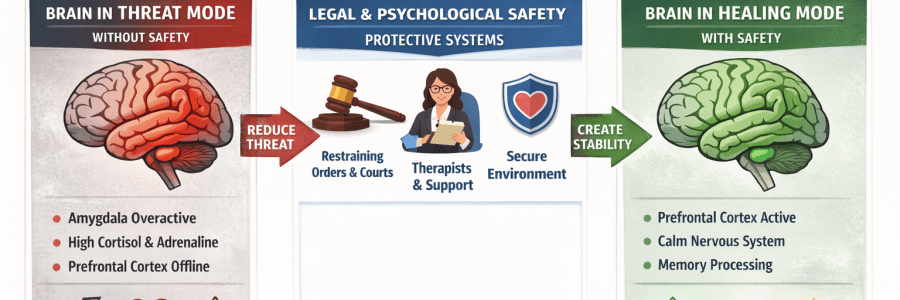
After decades of abuse, the body and mind are often in a chronic survival state, even long after the relationship ends. This isn’t a flaw — it’s the nervous system doing exactly what it was built to do: protect you from ongoing threat. Understanding this helps identify which situations to avoid while rebuilding safety and autonomy. 1.… Read More Body and mind are often in a chronic survival state

The Exact Internal Moment When Strength Reclaims Itself

This is often subtle and gradual, not dramatic. Neuroscience + psychology line up here: Signal What’s Happening Internally Outcome Sudden clarity Prefrontal cortex takes control over amygdala-driven fear loops Realisation: I don’t have to negotiate my worth anymore Shift from hope to self-interest Dopamine cravings from intermittent reinforcement fade Attachment energy is redirected internally Internal boundary… Read More The Exact Internal Moment When Strength Reclaims Itself

Personality traits most likely to target strong women

These traits cluster together. You rarely see just one. 🔻 Core targeting traits (They are not always obvious at first.) EntitlementBelief that they deserve access to someone else’s energy, care, status, or resources. Insecure identityWeak internal self → needs an external stabiliser (you). Image-dependenceCares deeply how they appear, not how they behave privately. Low distress toleranceCannot self-soothe,… Read More Personality traits most likely to target strong women

Strong, intelligent women are not targeted despite their strength.They are often targeted because of it.

Here’s why, clearly and without myth. 1. Strength Looks Like a Resource to a Predator Abusive personalities don’t look for “weakness” in the way people imagine. They scan for: Competence Emotional depth Stability Social credibility Problem-solving ability Capacity to carry responsibility To them, this signals: “This person can absorb pressure, adapt, and keep functioning.” That’s… Read More Strong, intelligent women are not targeted despite their strength.They are often targeted because of it.

The Stages Before Leaving (What Actually Happens)

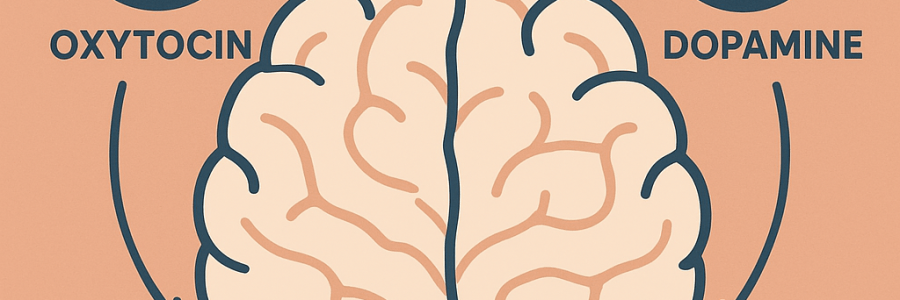
1. Idealisation & Bond Formation What it looks like Intense connection, charm, attentiveness Feeling “seen” or chosen Fast emotional intimacy What’s happening internally Dopamine + oxytocin surge (bonding hormones) Sense of safety and meaning attaches to this person Key trap “This feels special — I’ve never had this before.” 2. First Boundary Breaches (Minimised) What it looks like… Read More The Stages Before Leaving (What Actually Happens)

Why some personalities trigger trauma bonds (and others don’t)

Trauma bonds form when attachment + threat + intermittent relief get wired together.Some personalities reliably create that wiring. 1. The Hot–Cold / Inconsistent personality 🔥❄️ Traits Intense connection early Sudden withdrawal Mixed signals Unpredictable availability Why it bondsYour nervous system learns: Connection is unstable — I must work for it. Uncertainty spikes dopamine.Withdrawal spikes cortisol.Relief feels euphoric. This is textbook intermittent reinforcement —… Read More Why some personalities trigger trauma bonds (and others don’t)