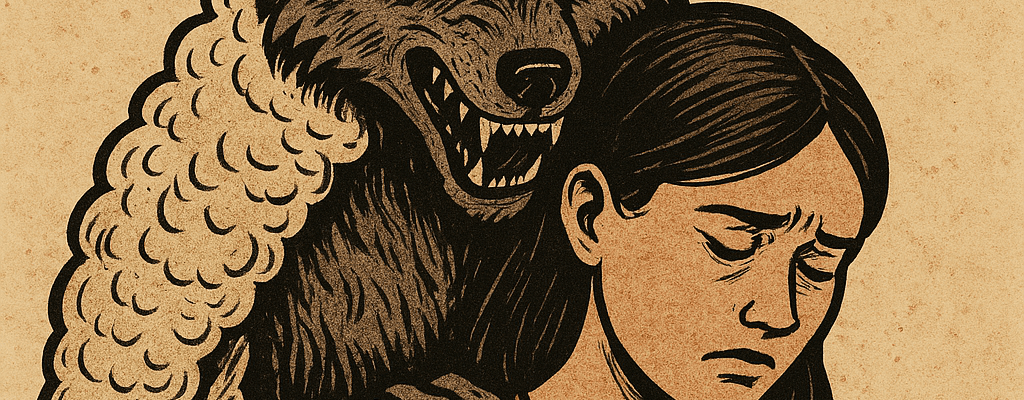
If an abuser discloses something genuinely disturbing about another family member—especially something suggesting a child or grandchild may be at risk—the safest approach is not to dismiss it, but also not to investigate it yourself.
A sensible framework is:
- Take the disclosure seriously enough to act. Write down exactly what was said, when, by whom, and any surrounding circumstances. Keep the wording as close to verbatim as possible.
- Don’t interrogate the alleged victim or potential witnesses. Repeated questioning can increase distress and can interfere with a proper professional investigation.
- Don’t confront the alleged perpetrator yourself. That can escalate the situation and may alert someone who could potentially destroy evidence or pressure a child.
- Put immediate safety first. If you have a reasonable concern that a child is currently at risk, don’t leave the child alone with the person you’re concerned about while you obtain professional advice.
- Report the concern to the appropriate child-protection or law-enforcement authority. You don’t have to prove the allegation yourself. Your responsibility is to pass on the concern and the information you actually have.
- Keep evidence securely. Preserve messages, recordings, emails or documents rather than editing, forwarding or publicly discussing them.
- Be careful about telling other relatives. Sharing an allegation widely can unintentionally contaminate accounts, create family conflict, or put pressure on the child. Tell the people who genuinely need to know for safeguarding purposes.
- If the disclosure came from an abusive person, consider the source—but don’t automatically dismiss it. An abuser can lie, manipulate or make allegations strategically, but a disturbing allegation should still be assessed independently by professionals.
Most importantly, don’t make the child responsible for proving anything. The adults around them should create safety and allow trained professionals to establish what happened.

