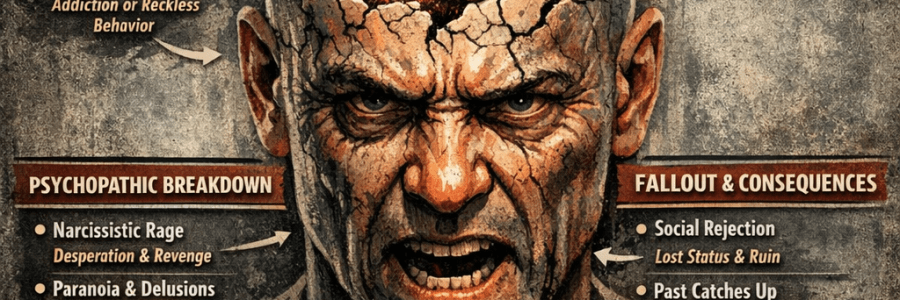
These combinations should prompt urgent specialist risk assessment, particularly when several occur together or the behaviour is escalating. Police guidance identifies these and other factors as relevant to assessing serious harm. College of Policing Urgent concern 1. Strangulation + stalking Previous strangulation or suffocation combined with persistent stalking, especially after separation. Strangulation can cause fatal or lasting injury even when there are no obvious marks. Urgent concern 2. Threats to kill + previous violence Threats against a partner, former partner, children or relatives, alongside a history of assault or escalating violence. Treat threats as serious, especially when accompanied by specific plans or access to weapons. Urgent concern 3. Separation + escalating intimidation The person leaves or announces plans to leave, and the abusive partner responds with threats, aggressive confrontations, surveillance or attempts to force contact. Separation can be a particularly dangerous period. Urgent concern 4. Stalking + physical assault Repeated following, unwanted appearances, monitoring or persistent contact combined with physical violence. The risk is especially concerning when the behaviour continues or intensifies after separation. Urgent concern 5. Threats of suicide + threats against a partner Statements suggesting “if I can’t have you, nobody can,” threats to kill both partners, or threats of suicide used alongside intimidation or coercive control. Do not assume these threats are merely emotional manipulation. Urgent concern 6. Weapons + threats or a history of violence Threatening to use a weapon, displaying one to frighten someone, or having access to weapons alongside escalating aggression. This requires immediate attention to safety. Urgent concern 7. Extreme possessiveness + stalking + separation Obsessive jealousy, claims of ownership, monitoring and refusal to accept the end of a relationship. Risk rises when these behaviours are accompanied by threats, intimidation or violence. Urgent concern 8. Coercive control + repeated breaches of protective orders A pattern of control, unwanted contact, stalking or intimidation continuing despite police intervention or court restrictions. Repeated breaches must be reported and assessed in context. Urgent concern 9. Threats against children or pets + escalating abuse Threatening to harm, take or kill children or animals to punish, frighten or control a partner, particularly when combined with possessiveness or previous violence. Urgent concern 10. Sexual violence + coercive control or physical violence Forced sex, sexual assault or threats of sexual harm alongside intimidation, isolation or other violence. This is a serious indicator that requires specialist assessment. These are not a validated ranking from most to least dangerous. A person does not need to experience several warning signs for their situation to be serious. Professional assessment considers the whole pattern, the history, recent changes and the person’s own fear. Why these combinations can be missed Someone who has lived with abuse for years may gradually come to regard frightening behaviour as normal. They may minimise what has happened, feel ashamed, fear the consequences of speaking out, or struggle to recognise the danger while managing everyday life. You do not have to prove that you are in the highest-risk category before asking for help. Speak privately to a trained domestic-abuse professional or the police and explain the full history, including any strangulation, stalking, threats, escalation and breaches of protective orders. If you believe there is immediate danger in Spain, call 112. The Spanish domestic-violence support service 016provides information and support.