Interpersonal Acceptance-Rejection Theory (IPARTheory)

Personality Subtheory: This is the most developed part of the theory. It emphasizes how feelings of acceptance or rejection influence personality development across cultures.

Coping Subtheory: It explores why some individuals are better able to cope with perceived rejection and others struggle more with these experiences.

Sociocultural Systems Subtheory: This subtheory looks at the broader cultural and social systems that shape how interpersonal acceptance and rejection are experienced globally​ScholarWorks​ISIPAR.… Read More Interpersonal Acceptance-Rejection Theory (IPARTheory)

Cruelty and Meanness

Cruelty and Meanness: They may go out of their way to inflict emotional, physical, or psychological harm, often with the intent of asserting power or control.

Selfishness: They prioritize their own needs, desires, and ego above all else, often at the expense of others.

Abusiveness: This can manifest in various forms—verbal, emotional, physical, or even financial abuse. Such behavior is about maintaining dominance and instilling fear or dependence.

Manipulation: They often twist situations or words to gaslight others, leaving their targets doubting their perceptions of reality.

Destructive Tendencies: They thrive on tearing others down, using criticism, humiliation, or other tactics to diminish self-esteem and autonomy.… Read More Cruelty and Meanness

Why Some People Use Porn to Calm Themselves:

Dopamine Release: Pornography consumption can lead to a release of dopamine, the brain’s “feel-good” chemical. For individuals experiencing depression, anxiety, or other mood disorders, this temporary surge can feel like a relief from emotional numbness or overwhelming distress.

Temporary Distraction: Mental illnesses like anxiety, PTSD, or OCD often involve intrusive thoughts or overwhelming emotions. Porn might act as a short-term distraction, pulling attention away from distressing internal experiences.

Sense of Control: For those with trauma histories or a need for control (often seen in anxiety disorders or PTSD), consuming porn might feel like a safe, predictable activity that provides a sense of agency over their emotional state.… Read More Why Some People Use Porn to Calm Themselves:

Importance of Doctor and Psychologist Reports

Professional Authority: Both doctors (such as general practitioners or specialists) and psychologists (clinical psychologists, therapists, or counselors) are trained to assess and diagnose physical and mental health conditions. Their reports are seen as objective and authoritative, which can significantly bolster your case in legal proceedings.

Medical Evidence of Abuse or Trauma: In cases of abuse, whether physical, emotional, or psychological, doctors can provide evidence of injuries, physical trauma, or symptoms of abuse. Psychologists and therapists can speak to the emotional or psychological impact the abuse has had on you.… Read More Importance of Doctor and Psychologist Reports

Deeply imbalanced relationships

In the end, a relationship should feel like a partnership—both people should be invested in each other’s well-being, and that includes not just the practical elements of daily life, but the emotional and mental aspects as well. If someone is only giving when there’s something in it for them, it’s worth questioning what their motives are and whether they’re truly committed to the relationship as a whole, or just the benefits they receive from it.… Read More Deeply imbalanced relationships

Letting go

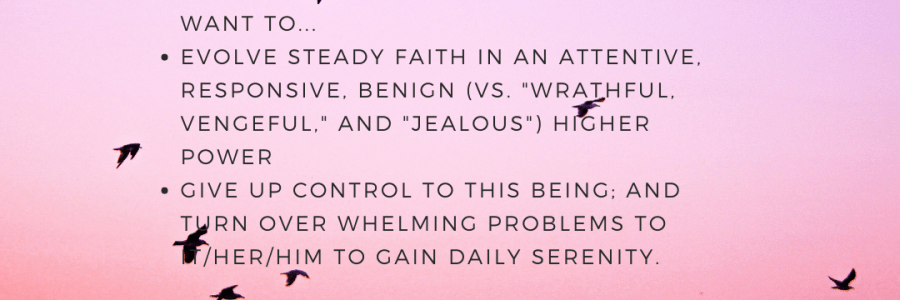
Handing things over to a higher power is also about cultivating faith—faith that you will find your way, that things will fall into place, and that you are not alone in your struggles. It’s about allowing life to surprise you with solutions and outcomes that you might not have imagined on your own. In that openness and trust, there’s often a profound sense of relief, knowing that you don’t have to bear the weight of everything on your shoulders.

And when you do let go, it’s amazing how often things start to shift. Opportunities arise, clarity emerges, and answers come from unexpected places. It’s as if, in releasing the need to control, you create room for the magic of life to unfold.… Read More Letting go

Why see a therapist?

Recovery is a journey that requires courage, dedication, and support. While friends and family can offer love and encouragement, a therapist provides the professional tools and insights that can make a real difference in your healing process. They act as a partner in your journey, helping you uncover hidden strengths, break free from limiting beliefs, and build a life that aligns with your true self.

Engaging with a therapist can be a powerful step toward reclaiming your life, healing from past wounds, and building a future that feels authentic and fulfilling. You’re not just surviving—you’re learning to thrive.… Read More Why see a therapist?

Balancing Empathy

Understanding the three types of empathy and their corresponding neural regions helps us become more self-aware in how we connect with others. The key to healthy relationships lies in the balance between cognitive, emotional, and compassionate empathy. People who only lean on cognitive empathy may be effective in some ways, but they risk creating shallow or manipulative relationships. Emotional and compassionate empathy bring depth, connection, and warmth, which are essential for genuine, human interaction.… Read More Balancing Empathy

Creating a Safe Space

Returning to a family that loves them after escaping such a traumatic situation is a powerful moment for any survivor. It represents a return to safety, love, and belonging—things that were denied to them for so long. But the road to recovery is often long, and it requires a combination of family support, professional help, and personal resilience. By providing a stable, loving environment, the family can play a critical role in helping the person rediscover their identity, process their trauma, and rebuild their life on their terms.… Read More Creating a Safe Space