When a Life Is Built on Lies, Control, or Abuse — What Eventually Happens?
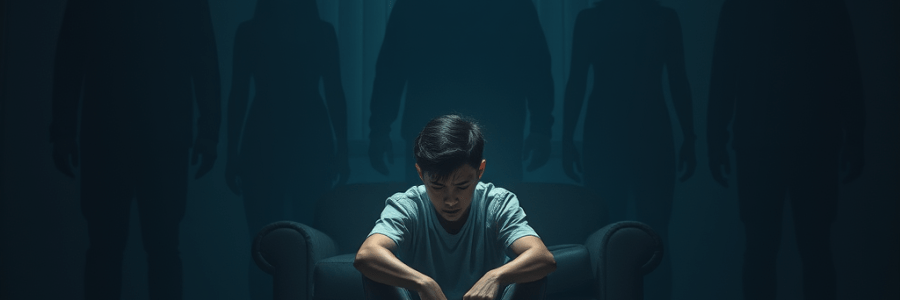
There is a question people often ask quietly, sometimes after years of pain, confusion, or witnessing behaviour they could never quite make sense of. What happens in the end when someone spends a lifetime cheating, lying, or abusing others? It is not an easy question, and it is rarely asked from a place of curiosity… Read More When a Life Is Built on Lies, Control, or Abuse — What Eventually Happens?

The Illusion of “Perfect” Lives: What We Don’t See Beneath the Surface

It can be striking — and sometimes unsettling — to notice how many people present a version of life that appears polished, organised, and “together” on the outside, while very different realities may exist underneath. Families that look harmonious. Homes that appear calm and well-ordered. Lives that seem stable, successful, or even effortless from a… Read More The Illusion of “Perfect” Lives: What We Don’t See Beneath the Surface

Cortisol and Recovery: How the Body Learns Safety Again

One of the most remarkable discoveries in neuroscience is that the brain and body are designed to recover. Years of stress can change cortisol rhythms, but those changes are not necessarily permanent. Through neuroplasticity—the brain’s ability to reorganise itself—the nervous system can gradually move from survival back to regulation. What is cortisol? Cortisol is often called… Read More Cortisol and Recovery: How the Body Learns Safety Again

Why Do Serial Abusers Leave a Trail of Apologies? The Psychology and Neuroscience Behind the Pattern

One of the most confusing experiences for survivors is discovering years of letters, cards and messages saying: “I’m sorry.” “I know I’ve hurt you.” “I’ll change.” Yet the behaviour never changes. How can someone repeatedly acknowledge their actions and still continue the same pattern for decades? The Cycle of Abuse Psychologists have long recognised a… Read More Why Do Serial Abusers Leave a Trail of Apologies? The Psychology and Neuroscience Behind the Pattern

Can You Read Emotion in Someone’s Eyes? Neuroscience and Psychology Explained

Many people feel that they can “read” emotion in someone’s eyes. In therapy, for example, clinicians often notice subtle facial cues that seem to reveal more than words. While there is some scientific truth to this idea, neuroscience shows that the reality is more complex. The brain is highly sensitive to eye cues Research in… Read More Can You Read Emotion in Someone’s Eyes? Neuroscience and Psychology Explained