Forensic Psychological Explanation: Interaction Between Dark-Trait Individuals and Empathetic Persons

1. Introduction This report summarizes the interaction patterns between individuals exhibiting dark personality traits (Sadism, Machiavellianism, Psychopathy, Narcissism) and highly empathetic or conscientious partners. The purpose is to explain the mechanisms of attraction, behavioral influence, and potential emotional harm in a way suitable for legal review, psychological evaluation, or expert testimony. 2. Core Concepts Concept… Read More Forensic Psychological Explanation: Interaction Between Dark-Trait Individuals and Empathetic Persons

Why Dark-Trait Individuals Seek Out Empathic, Strong, Caring People

This is the other half of the equation, and it’s backed by research. 1. They Target Those Who Are Empathically Generous From a Machiavellian/sadistic/psychopathic perspective, the ideal partner is someone who: forgives easily explains instead of confronts takes responsibility for others’ emotions doubts themselves before others wants to fix, not abandon responds to guilt/shame This makes… Read More Why Dark-Trait Individuals Seek Out Empathic, Strong, Caring People

Perpetrator Behavior

(Behavior → Emotional Harm → Legal Relevance) Perpetrator Behavior Emotional / Psychological Harm to Victim Legal Relevance / Evidentiary Value Chronic manipulation, deceit, gaslighting Confusion, self-doubt, anxiety, impaired decision-making; erosion of self-trust. Demonstrates coercive control; pattern of psychological abuse; undermines victim’s ability to consent or make free decisions. Humiliation, degradation, mocking distress Shame, fear, trauma… Read More Perpetrator Behavior

Sadism, Machiavellianism & Dark Personality Traits — A Deeper Neuroscience + Psychology Breakdown

1. Sadism (Everyday & Clinical) Sadism exists on a spectrum, from “everyday” forms (enjoying watching others fail, liking violent media) to severe antisocial variants (enjoying inflicting harm). Key Neuroscience Findings 🔹 Reward System Activation The nucleus accumbens, part of the mesolimbic dopamine system, activates when sadistic individuals cause or witness pain. This activation correlates with subjective reports of… Read More Sadism, Machiavellianism & Dark Personality Traits — A Deeper Neuroscience + Psychology Breakdown

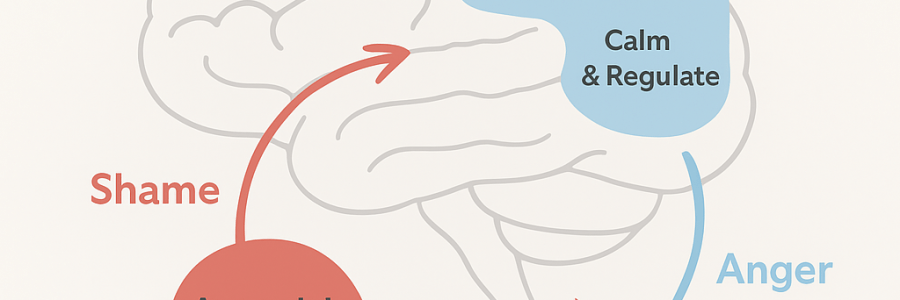
Fear and Shame

That is a very common and deeply harmful dynamic in cases of gender-based violence. When family or friends prioritize reputation, image, or “keeping the peace” over your safety, it adds a layer of secondary abuse and isolation. Here’s a breakdown of what’s happening and why it’s damaging: 🔹 What’s happening “Don’t cause a scene.” “Think of the family’s reputation.”… Read More Fear and Shame

Seek Professional Support

Discovering that someone close to you has a deeply troubling or criminal past, especially involving exploitation or abuse, can be profoundly destabilizing. Seeking help and therapy afterward is critical for processing trauma, reclaiming a sense of safety, and rebuilding your life. Here’s a structured guide: 1. Acknowledge Your Emotional Reality Allow yourself to feel shock, anger, betrayal,… Read More Seek Professional Support

Document Evidence Safely

Here’s a step-by-step guide for dealing with a toxic or dangerous ex when new evidence, letters, or stories keep emerging, tailored to your situation: 1. Acknowledge Your Emotional Response Accept that feelings of shock, anger, betrayal, and confusion are normal. Recognize that repeated revelations can trigger cognitive dissonance, where your memory of the person conflicts with new information. 2. Set… Read More Document Evidence Safely

Neuroscience of EMDR and Somatic Therapies in Trauma Recovery

How EMDR and Somatic Therapies Facilitate Neural Recalibration Trauma leaves lasting imprints on neural circuits responsible for threat detection, emotional regulation, and self-reference. EMDR (Eye Movement Desensitization and Reprocessing) and somatic therapies (body-focused approaches) specifically target these disrupted networks, promoting neuroplasticity and functional recovery. 1. EMDR: Processing Trauma Through Bilateral Stimulation Mechanism: EMDR uses controlled… Read More Neuroscience of EMDR and Somatic Therapies in Trauma Recovery

How Trauma Disrupts the Ability to Identify What Is Healthy

IntroductionIndividuals with a history of abuse frequently report difficulty determining what is “right” or “healthy” in relationships. This is not a matter of poor judgment or weakness; it is the predictable neurobiological and psychological result of prolonged trauma exposure. Abuse alters threat-processing systems, attachment circuits, and self-referential networks in the brain, which collectively distort the… Read More How Trauma Disrupts the Ability to Identify What Is Healthy