Psychological and Emotional Perspective in the Context of Coercive Control and Domestic Abuse

When an abusive or controlling ex-partner files for divorce again — particularly long after you initiated proceedings — the behaviour often reflects patterns of coercive control, not genuine legal necessity. 1. Reasserting Dominance After Losing Control In coercive-control dynamics, the abuser’s identity relies heavily on their ability to dictate the emotional and practical landscape of the relationship.Your original… Read More Psychological and Emotional Perspective in the Context of Coercive Control and Domestic Abuse

Crossroads

It’s completely human to reach a point where everything hits at once and you feel you’re standing at a crossroads with no clear direction. That feeling doesn’t mean you’re lost — it means life is asking you to pause, reassess, and choose with intention instead of autopilot. Here’s what’s really happening in moments like this, and what can help:… Read More Crossroads

What the score means in practice

A DASH score of 21 out of 27 is very high: when many “yes” responses to the checklist appear, it means multiple indicators of serious risk are present (threats, weapons, escalation, stalking, children involved, etc.). A MARAC “High Risk” classification means that multi‑agency actors (police, social services, health, housing) have reviewed the case and found the victim is… Read More What the score means in practice

Minimization and Denial by Family Members

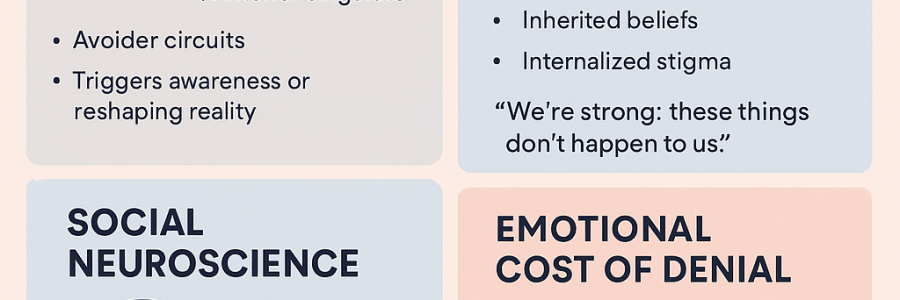
Common psychological phenomenon in families of abuse survivors, and it has both neuroscientific and social-psychological dimensions. Here’s a clear breakdown: 1. Minimization and Denial by Family Members Minimization: Family members may downplay the risk to avoid acknowledging the severity of the abuse. Denial: They may unconsciously refuse to accept that the abuser is capable of serious harm because it conflicts with… Read More Minimization and Denial by Family Members

VIOGEN: Domestic Violence Risk Assessment System in Spain

In Spain, the system roughly equivalent to the UK’s DASH risk assessment is called VIOGEN (“Sistema de Seguimiento Integral en los casos de Violencia de Género” – Integral Monitoring System for Gender Violence). It is managed by the Spanish Ministry of the Interior and coordinated with police, courts, and social services. 1. Purpose of VIOGEN Identify victims of gender-based violence who are at risk… Read More VIOGEN: Domestic Violence Risk Assessment System in Spain

Understanding High DASH Scores and MARAC High-Risk Classification

1. What the Scores Indicate DASH has 27 questions covering physical, emotional, sexual abuse, harassment, stalking, threats, and children’s exposure to abuse. Answering “Yes” to 21 items indicates multiple, serious risk factors are present. Suggests: frequent abuse, threats to life, potential for escalation, and significant danger to the victim. MARAC classifies victims based on DASH and other… Read More Understanding High DASH Scores and MARAC High-Risk Classification

Police and Court Monitoring in High-Risk Domestic Violence Cases (Spain)

When a domestic violence survivor is considered high-risk, Spanish law allows courts and police to impose enhanced monitoring measures to prevent further abuse and ensure safety. These measures go beyond standard restraining orders. 1. Risk Assessment History of repeated abuse or threats Violations of restraining orders Stalking or harassment Access to weapons or evidence of severe threats Psychological… Read More Police and Court Monitoring in High-Risk Domestic Violence Cases (Spain)

Protective Measures After Divorce & in Domestic Violence Cases (Medidas Cautelares)

Even after a divorce, survivors of abuse may require ongoing protection. Spanish law provides temporary legal tools to ensure safety, protect children, and prevent harassment. 1. Restraining Orders (Orden de Protección) Prohibits the abuser from contacting or approaching you. Can include restrictions on visiting your home, workplace, or children. Violations are criminal offenses and can lead… Read More Protective Measures After Divorce & in Domestic Violence Cases (Medidas Cautelares)

Protective Measures (Medidas Cautelares) in Spain

Protective measures are temporary legal actions designed to ensure the safety of victims and their children while legal proceedings, including divorce or criminal cases, are ongoing. These are often granted by the Juzgado de Violencia sobre la Mujer (Domestic Violence Court). 1. Types of Protective Measures a) Restraining Orders (Orden de Protección) Prohibits the abuser from contacting or approaching the victim.… Read More Protective Measures (Medidas Cautelares) in Spain