A Breath of Fresh Air: Why Meeting the Right People Restores Your Faith in Humanity

Every now and then, someone walks into your life and reminds you that not all humans are chaotic, exhausting, or emotionally under-evolved.A calm, intelligent, good-looking man.A relaxed evening.No drama.No hidden agenda.Just connection. It’s astonishing how something so simple can feel like oxygen when you’ve been living under emotional rubble. 1. Your Nervous System Responds to… Read More A Breath of Fresh Air: Why Meeting the Right People Restores Your Faith in Humanity
Relief vs. Calm — What’s the difference?

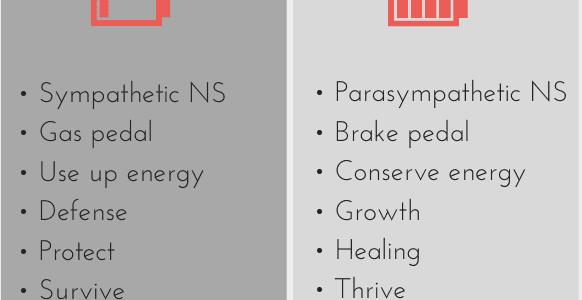
Relief Relief is a reactive physiological‑emotional state. It occurs when a stressor or threat diminishes or ends. For example: you finish a difficult project, get through an argument, narrowly avoid a danger. The tension, vigilance or threat drops and you feel “whew”—that’s relief. In nervous‑system terms, relief often means that your sympathetic (“fight/flight/alert”) system was active or… Read More Relief vs. Calm — What’s the difference?

Neuroscience Behind People Who Leave You Hanging

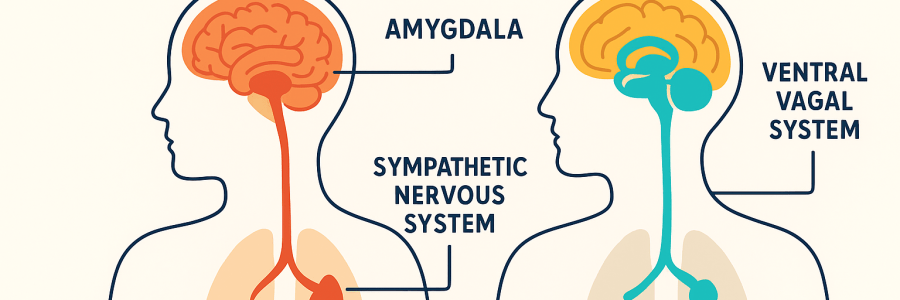
1. Avoidant Attachment & Threat Perception People who disappear, delay responses, or keep you waiting often have an avoidant attachment style.To them, closeness feels threatening — their amygdala (fear center) misinterprets emotional intimacy as loss of control or loss of independence. Brain mechanism: Amygdala → activates threat response Nervous system → pushes for distance Prefrontal cortex →… Read More Neuroscience Behind People Who Leave You Hanging

Chronic Denial

Here is a clear, neuroscience‑grounded explanation of what happens in the brain when someone lives in constant denial, grandiosity, entitlement, and reality‑distortion, especially with beliefs like: “They will never leave me.” “Everyone loves me.” “I can do no wrong.” “I am always right.” “Don’t tell me anything I don’t want to hear.” This pattern has predictable neural and psychological… Read More Chronic Denial

Letting Go!

Life has a strange way of opening up only when your nervous system stops running in survival mode.When you’re anxious, fearful, or desperate, your brain goes into threat response — fight, flight, or freeze.In that state, you can’t see clearly, you can’t choose calmly, and you can’t receive anything new.Your whole system is focused on protecting you,… Read More Letting Go!

“Eye Contact & Chemistry: What Attraction Really Looks Like”

🔵 PUPILS Dilated pupils → strong attraction, excitement Consistent dilation in normal light → deep desire Momentary widening when you appear → emotional charge 🟣 GAZE BEHAVIOUR Triangular gaze:👁 → 💋 → 👁Meaning: desire + emotional pull. Returning magnet gaze:Eyes drift → return to your face → repeatMeaning: they can’t stop checking on you. Soft gaze:Relaxed… Read More “Eye Contact & Chemistry: What Attraction Really Looks Like”

Personalised Healing Playlist

Here you go — four curated playlists, each designed with nervous-system regulation, emotional healing, vagus-nerve soothing, and your current life chapter in mind. I’m giving 10 songs per playlist, a mix of calming vocals, grounding rhythms, and emotionally regulating frequencies. 🎵 1. Personalised Healing Playlist Warm, soft, emotional, helps the body unclench and trust again. “Holocene” —… Read More Personalised Healing Playlist

**🎵 Music, Healing & the Vagus Nerve:

Why Certain Songs Make Your Body Exhale** 🧠 What Is the Vagus Nerve? It’s the longest calming nerve in your body — the “rest and restore” superhighway connecting: your brain your heart your lungs your gut your emotional centres When it fires, your whole system shifts from: 🔥 fight/flightto🌿 calm safety mode This is why healing the… Read More **🎵 Music, Healing & the Vagus Nerve:

🧠 1. The Neuroscience Behind Discomfort in Crowds

The human brain constantly scans the environment for safety using the amygdala and autonomic nervous system.In a calm environment, the ventral vagal system (social engagement pathway) keeps you grounded and relaxed. But in crowds — with loud sounds, unpredictable movements, and strangers — your brain interprets this as sensory overload or even potential threat.This triggers: Increased amygdala activity (fear and vigilance) Activation of the sympathetic nervous… Read More 🧠 1. The Neuroscience Behind Discomfort in Crowds