Evidence Based Therapies

Is (brainspotting/somatic experiencing therapy/hypnosis/neuro-linguistic programming/equine therapy/art therapy/thought field therapy/rapid resolution therapy) an evidence-based treatment for PTSD? No. These are not evidence-based. You can certainly try them! Some things may work for you, individually, that have not yet been studied sufficiently in scientific research. Generally, it probably makes sense to at least begin with one of… Read More Evidence Based Therapies

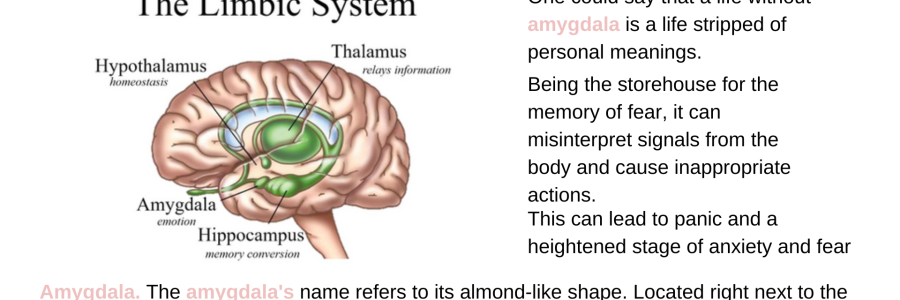
Limbic scars

Background: Childhood maltreatment represents a strong risk factor for the development of depression and posttraumatic stress disorder (PTSD) in later life. In the present study, we investigated the neurobiological underpinnings of this association. Since both depression and PTSD have been associated with increased amygdala responsiveness to negative stimuli as well as reduced hippocampal gray matter volume,… Read More Limbic scars

How does trauma bonding affect the brain?

One of many ways victims can help their brain break a trauma bond is by facilitating the release of calming oxytocin (from the amygdala). Igniting oxytocin receptors of this type can reduce cravings, ease withdrawal, and lessen pain. What causes someone to violate a person they claimed to love? There are many reasons, for example, substance or alcohol abuse, a… Read More How does trauma bonding affect the brain?

Common Reaction of the brain to an abuser

Several important ingredients that contribute to someone’s “addiction” to their abuser are oxytocin (bonding), endogenous opioids (pleasure, pain, withdrawal, dependence), corticotropin-releasing factor (withdrawal, stress), and dopamine (craving, seeking, wanting). With such strong neurochemistry in dysregulated states, it will be extremely difficult to manage emotions or make logical decisions. https://www.psychologytoday.com/us/blog/neurosagacity/201701/the-brain-can-work-against-abuse-victims

Trauma Bond with Abusive Parent

The term ‘trauma bond‘ is also known as Stockholm Syndrome. It describes a deep bond which forms between a victim and their abuser. Victims of abuse often develop a strong sense of loyalty towards their abuser, despite the fact that the bond is damaging to them. The symptoms of trauma bonding can manifest: Negative feelings for potential rescuers Support of abusers… Read More Trauma Bond with Abusive Parent

Can a victim of emotional abuse become an abuser?

Abuse victims, like anyone in relationships with high emotional reactivity, build automatic defense systems, which include preemptive strikes — if you expect to be criticized, stonewalled, or demeaned, you may well do it first. Victims can easily develop a reactive narcissism that makes them seem like abusers https://parentalalienation-pas.com/2021/07/03/can-a-victim-of-emotional-abuse-become-an-abuser/

What do clients say about their experiences of EMDR in the research literature?

EMDR is talked about in a transformative manner. There are conditions, which need to be present for EMDR to work, and connections exist between the EMDR method and therapist as agents of change. For practitioners, a pluralistic approach, incorporating the EMDR method could be used to carry out tasks in therapy to achieve therapeutic goals… Read More What do clients say about their experiences of EMDR in the research literature?