Not Sure Which Way To Turn?
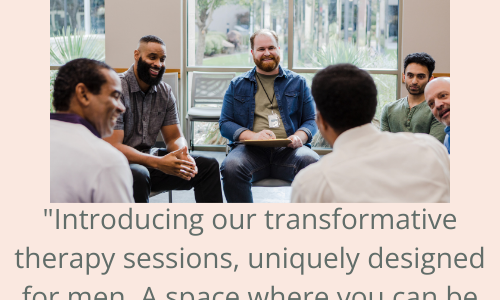

Avoidance can have significant consequences, particularly when it is used as a coping mechanism in response to distressing or traumatic experiences. While avoidance may provide temporary relief from uncomfortable emotions or situations, its long-term impact can be detrimental to an individual’s well-being and quality of life. Here are some of the consequences of avoidance: Increased… Read More What Are the Consequences of Avoidance?

Could be the worst advice you give to someone! Avoidance is a common coping strategy that some people may use to deal with traumatic memories or distressing emotions. While it may provide temporary relief, avoiding thoughts and feelings related to a traumatic event can have detrimental effects on one’s well-being and hinder the healing process.… Read More “Just try not to think about it”
Are you struggling to cope with the aftermath of a traumatic event? Do haunting memories and overwhelming emotions seem to hold you back from living a fulfilling life? At Lindacjturner.com, we understand the profound impact trauma can have on your well-being. That’s why I am here to offer you a guiding hand on your journey… Read More Healing after trauma

Completing the cycle after witnessing a traumatic event is a crucial aspect of the healing process. Traumatic events can leave a lasting impact on a person’s mind and body, and allowing the natural completion of the trauma response is essential for recovery. Here’s why completing the cycle is important and how it can be achieved:… Read More Completing the cycle
Over reliance on avoidant coping strategies can interfere with the natural recovery process during post-traumatic stress disorder (PTSD). PTSD is a mental health condition that can develop after experiencing or witnessing a traumatic event, and it can have a profound impact on a person’s well-being and daily functioning. Avoidant coping strategies involve trying to avoid… Read More Avoidant Coping Strategies
CBT stands for Cognitive Behavioral Therapy, which is a widely used psychotherapy approach that focuses on identifying and changing negative thought patterns and behaviors that contribute to emotional distress and mental health issues. CBT is based on the idea that our thoughts, feelings, and behaviors are interconnected, and by modifying unhelpful thought patterns and behaviors,… Read More Q & A – What is CBT?

Neuro-Linguistic Programming (NLP) is a behavioral and communication approach that focuses on understanding how individuals process information, perceive the world, and communicate. NLP techniques aim to help people improve their thinking patterns, emotional states, and behavior. Practitioners have applied NLP in various areas. Here are some examples of what NLP is used for: Personal Development:… Read More Q & A – What is NLP?
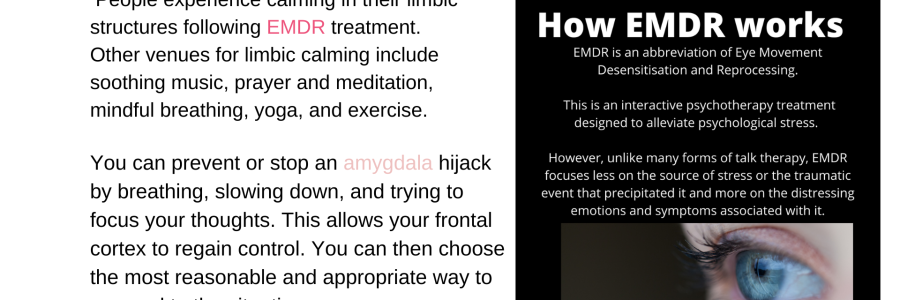
EMDR stands for Eye Movement Desensitization and Reprocessing. It is a psychotherapy technique that was originally developed to treat post-traumatic stress disorder (PTSD). However, over time, it has been found to be effective for various other conditions and issues. Here are some examples of what EMDR can be used for: Post-Traumatic Stress Disorder (PTSD):… Read More Q & A – what is EMDR?

When we learn something new, synaptic connections are formed in our brain. These connections, often referred to as neural pathways, are the physical basis of memory and learning. As we continue to practice or reinforce what we’ve learned, these pathways become stronger and more efficient, allowing us to perform tasks with less cognitive effort. This… Read More Neural Pathways

