Common Reaction of the brain to an abuser
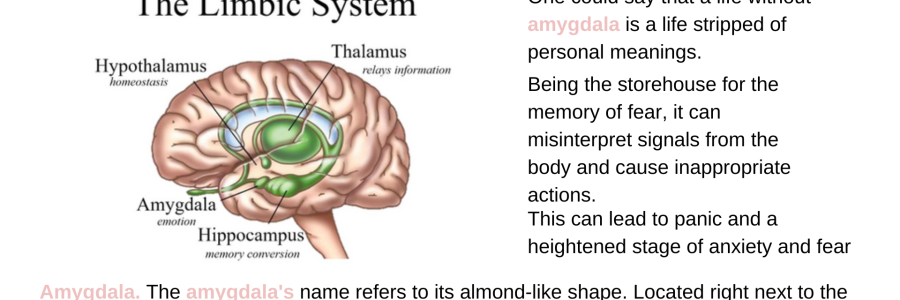
Several important ingredients that contribute to someone’s “addiction” to their abuser are oxytocin (bonding), endogenous opioids (pleasure, pain, withdrawal, dependence), corticotropin-releasing factor (withdrawal, stress), and dopamine (craving, seeking, wanting). With such strong neurochemistry in dysregulated states, it will be extremely difficult to manage emotions or make logical decisions. https://www.psychologytoday.com/us/blog/neurosagacity/201701/the-brain-can-work-against-abuse-victims

Trauma Bond with Abusive Parent

The term ‘trauma bond‘ is also known as Stockholm Syndrome. It describes a deep bond which forms between a victim and their abuser. Victims of abuse often develop a strong sense of loyalty towards their abuser, despite the fact that the bond is damaging to them. The symptoms of trauma bonding can manifest: Negative feelings for potential rescuers Support of abusers… Read More Trauma Bond with Abusive Parent

What do clients say about their experiences of EMDR in the research literature?

EMDR is talked about in a transformative manner. There are conditions, which need to be present for EMDR to work, and connections exist between the EMDR method and therapist as agents of change. For practitioners, a pluralistic approach, incorporating the EMDR method could be used to carry out tasks in therapy to achieve therapeutic goals… Read More What do clients say about their experiences of EMDR in the research literature?