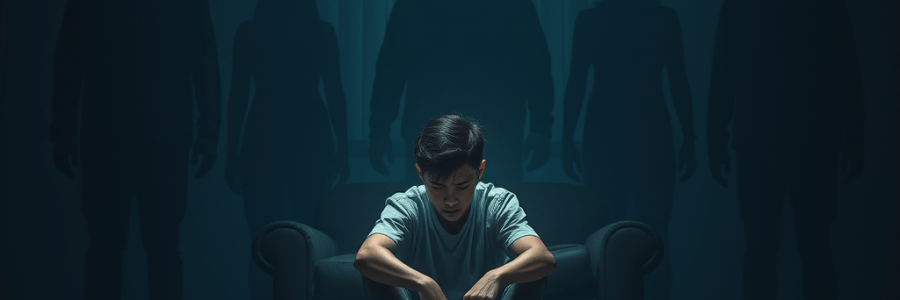
🧠 Healing After Abuse: Psychological and Neuroscientific Support for Recovery

Leaving an abusive relationship — whether emotional, physical, or psychological — is not simply a matter of walking away. The trauma it leaves behind can echo through your body, brain, and emotions long after the abuse has ended.A skilled psychologist or court psychologist can play an essential role in helping you rebuild your sense of safety, identity,… Read More 🧠 Healing After Abuse: Psychological and Neuroscientific Support for Recovery
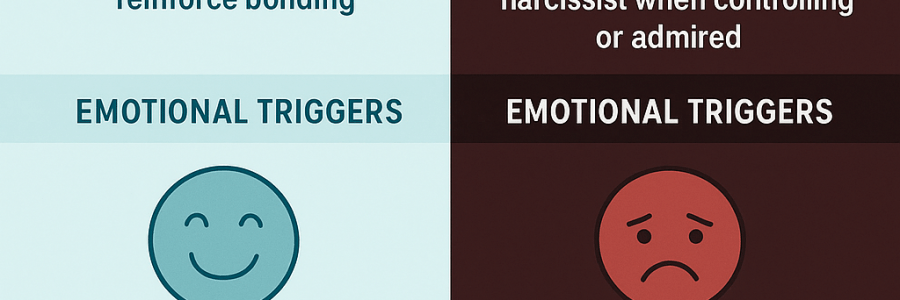
🧠 Neuroscience of Recovery After Abuse & Separation

1. Brain Stress Systems (Damage Phase) Cortisol Flooding: Abuse or betrayal keeps the brain in “threat mode,” with the amygdala hyperactive and cortisol/adrenaline spiking. Prefrontal Shutdown: Logical thinking, planning, and self-control weaken — the brain prioritizes survival. Reward System Hijack: Dopamine drops, making it harder to feel motivated, and oxytocin bonds (even unhealthy ones) create withdrawal-like symptoms when the… Read More 🧠 Neuroscience of Recovery After Abuse & Separation

Hidden vs. Celebrated: The Psychology of Being Chosen in Relationships

1. Why Visibility Matters When someone is serious about you, they naturally integrate you into their life — introducing you to friends, family, and colleagues. Psychology calls this social integration, and it’s a key marker of commitment. Being visible signals pride, investment, and emotional security. Being hidden often signals avoidance, uncertainty, or backup-plan behavior. From a neuroscience perspective,… Read More Hidden vs. Celebrated: The Psychology of Being Chosen in Relationships

🧠 Trauma Recovery Timeline of Emotional Shifts

1. Shock & Survival (Freeze / Numbness) Neurobiology: Nervous system in overload, dissociation, numbing, cortisol spike. Psychology: disbelief, confusion, denial. “Did this really happen?” Behavior: autopilot, going through motions, difficulty recalling events clearly. 2. Anger (Fight Response / Protest Stage) Neurobiology: Amygdala + adrenaline dominant, sympathetic system firing. Psychology: intense need for justice, recognition, or… Read More 🧠 Trauma Recovery Timeline of Emotional Shifts

🫀 Strangulation is Trauma. Recovery is Sacred.

🧠 What happens to the brain and body — and how to heal after being strangled Strangulation is not just an act of physical violence — it’s one of the most psychologically devastating and neurologically disruptive forms of abuse. It is one of the clearest predictors of future lethal violence in relationships. And yet, so many survivors are told to “let it… Read More 🫀 Strangulation is Trauma. Recovery is Sacred.

🥦 Trauma Recovery and Nutrition: Why Eating Well Helps You Heal

When we think of trauma recovery, most of us think of therapy, journaling, or support groups. But what we often overlook is something we do multiple times a day: eating. What you eat profoundly affects how you feel, how your brain functions, and how your body recovers from stress. In trauma therapy, we talk a lot about the… Read More 🥦 Trauma Recovery and Nutrition: Why Eating Well Helps You Heal

Exercise can play a powerful role in trauma recovery

Exercise can play a powerful role in trauma recovery — not just for physical health, but for emotional regulation, nervous system balance, and rebuilding a sense of safety and connection with the body. Many trauma survivors become disconnected from their physical selves, experiencing either numbness or hyperarousal (like anxiety, panic, tension). Movement can help bridge that gap.… Read More Exercise can play a powerful role in trauma recovery

Bullying and cowards

Fear of Confrontation: They lack the courage to face you one-on-one, so they recruit others to do their bidding. It’s easier for them to hide behind a group than stand on their own.

Desire for Control: By building a coalition against you, they aim to manipulate the narrative, making you the scapegoat while solidifying their power within the family.

Avoiding Accountability: By spreading their version of events to others, they deflect responsibility and create an echo chamber where their behavior is validated.

Seeking Validation: They might need others to back them up because they lack confidence in their own stance. By recruiting others, they reassure themselves that they’re “right.”… Read More Bullying and cowards